2026 Top Construction Machines That Will Revolutionize the Industry?
The construction industry is on the verge of transformation. As we look ahead to 2026, innovative construction machines promise to redefine the landscape. Industry expert John Stevens states, "The future of construction is not just about machines; it's about smart machines." This insight encapsulates the need for efficiency and productivity.
Emerging technologies are set to shape construction machines. Robotics, AI, and sustainable designs will play vital roles. For instance, autonomous vehicles will reduce labor costs and increase safety. However, reliance on technology raises questions. Will workers be displaced? Can we ensure that automation complements human skills?
As we embrace these advancements, reflection becomes essential. The balance between innovation and workforce impact is crucial. Construction companies must adapt responsibly. The road ahead is filled with potential, but we must tread carefully to benefit all stakeholders. Exploring these top construction machines of 2026 requires a keen understanding of both opportunities and challenges.

Overview of Key Trends in Construction Machinery for 2026
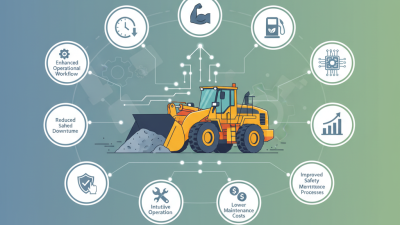
As we look ahead to 2026, the construction machinery landscape is poised for transformative change. Key trends indicate a strong move towards automation and digital integration. Machines equipped with smart technology will enhance efficiency. This technology allows real-time data analysis, enabling better decision-making on job sites.
Safety remains a critical concern in construction. Upcoming machines will feature advanced safety systems. These systems can detect hazards and alert operators instantly. However, embracing new technology can pose challenges. Workers will need to adapt and get trained on these advanced systems. Balancing the push for innovation with adequate training is crucial.
Sustainability is becoming more important. Eco-friendly machines that reduce emissions are on the horizon. These innovations can help meet new environmental regulations. However, companies might struggle with the initial costs. Investing in green technology requires a shift in mindset and resources. This shift could redefine operational methods across the industry.
Innovative Technologies Driving the Next Generation of Construction Machines
The construction industry is on the brink of a major transformation. New technologies are emerging that promise to change how we build. Robotics, artificial intelligence (AI), and advanced materials are leading the charge. For instance, reports project that AI can reduce project costs by up to 20% by optimizing workflows and enhancing planning.
One notable innovation is the use of drones. They provide real-time data for site surveys, improving accuracy by 30%. Yet, integrating these technologies poses challenges. Training workers to utilize new tech is essential. Many companies struggle with this transition, hindering progress. Additionally, relying heavily on machinery could lead to job displacement, raising ethical concerns.
3D printing is another game-changer. It can reduce waste by up to 60% compared to traditional methods. However, the initial setup costs for printing infrastructure can be steep. This raises questions about accessibility for smaller firms. The construction sector must balance innovation with inclusivity to avoid widening the industry gap. Overall, technology is advancing rapidly, but the path to integration will require careful thought and adjustment.
Feature Breakdown of the Top Construction Machines for 2026
The construction industry is on the brink of transformation in 2026. Advanced machinery is set to reshape how projects are approached. Expect to see autonomous drones surveying sites with precision. They will reduce time and human error. Meanwhile, electric excavators will provide cleaner energy solutions. These machines promise to decrease carbon footprints significantly.
New robotic arms will be vital on construction sites. They can assemble components quickly and accurately. However, the reliance on automation raises concerns about job displacement. There is a need for training workers in this changing landscape. Safety gear is evolving, too. Smart helmets will monitor workers' vitals, ensuring safer environments. But can technology balance efficiency with safety?
While innovation brings excitement, it also demands vigilance. Projects may face delays as teams adapt to new tools. Integration of technology isn’t seamless. Some machines may require extensive updates. There’s always a learning curve, and mistakes can happen. Balancing traditional methods with new approaches will be a significant challenge. Remaining open to feedback and adjustments will be crucial for success.
2026 Top Construction Machines That Will Revolutionize the Industry
This chart illustrates the projected efficiency improvements for various top construction machines in 2026. The data indicates how much more efficient each machine type is expected to become, showcasing the advancements that could potentially revolutionize the construction industry.
Impact of Automation and AI on Construction Equipment Efficiency
In 2026, construction machines will see drastic changes. The integration of automation and AI is set to boost efficiency significantly. According to a recent report by McKinsey, construction productivity could improve by up to 25% with AI technologies. This shift may reduce costs and enhance project timelines. Yet, it also raises questions. Are workers prepared for these changes?
Automation promises safety as well. With AI, hazardous tasks can be assigned to machines, lowering the risk for human workers. According to the World Economic Forum, approximately 20% of construction jobs could be automated by 2025. However, this transition can lead to job displacement. Finding a balance is crucial as we embrace these advancements.
Tips: Regular training can help workers adapt to new technologies. Invest in upskilling programs to ease the transition. Collaborate with tech experts to understand AI integration better. This engagement is vital for a smooth workflow. The construction industry must rethink its approach while welcoming innovation. Embracing change is challenging but necessary for growth.
2026 Top Construction Machines That Will Revolutionize the Industry
| Machine Type |
Key Features |
Efficiency Improvement (%) |
Automation Level |
Estimated Cost ($) |
| Excavator |
Telematics, remote control |
20 |
High |
150,000 |
| Bulldozer |
AI grading, automatic blade adjustments |
15 |
Medium |
120,000 |
| Crane |
Smart load monitoring, safety alerts |
25 |
High |
200,000 |
| Concrete Mixer |
Automated mixing, digital tracking |
18 |
Medium |
80,000 |
| Loader |
Automated loading cycles, AI route optimization |
22 |
High |
110,000 |
Sustainability and Green Technologies in Future Construction Machines
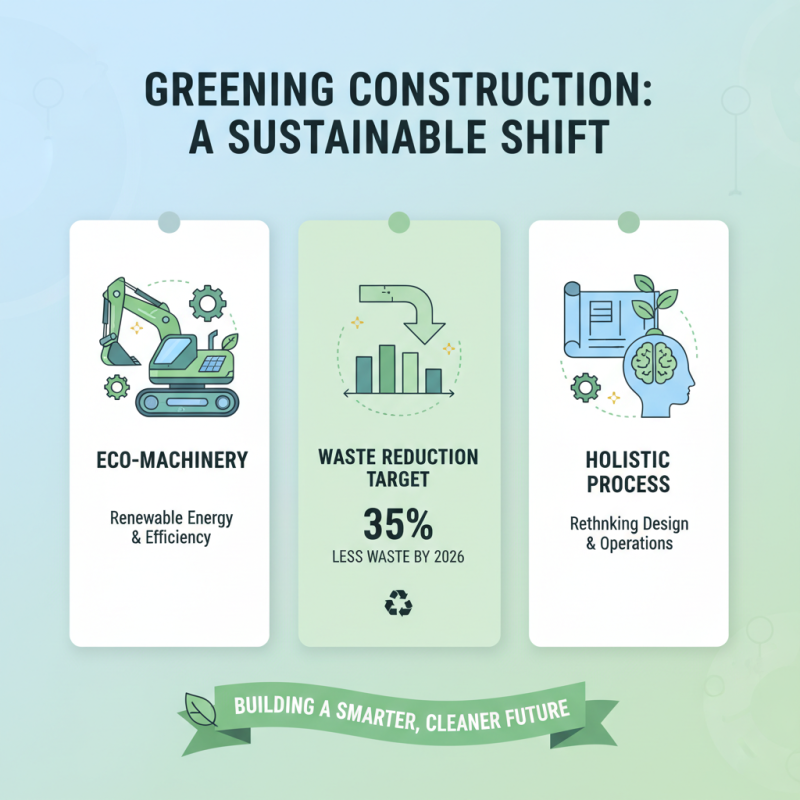
The construction industry is shifting towards sustainability. Future machines will incorporate green technologies. Reports suggest that integrating eco-friendly machinery could reduce construction waste by 35% by 2026. This shift isn't just about the machines. It's about rethinking entire construction processes.
Many construction firms are investing in renewable energy sources. For instance, solar-powered machinery is gaining traction. These innovations might cut energy costs significantly. Companies could see savings of up to 20% on energy bills. However, adapting to these technologies poses challenges. Training staff can be time-consuming and complex.
Tip: Consider a phased approach to adopting new machines. This way, you can assess their impact before full implementation. Additionally, engage your team in discussions about sustainability. Their insights can drive better decisions.
Embracing sustainability isn't an overnight fix. It requires persistent effort and openness to change. While advancements are promising, the transition may reveal unexpected hurdles. For every innovation, some flaws need refining. The journey towards a greener future in construction is ongoing, and every step counts.

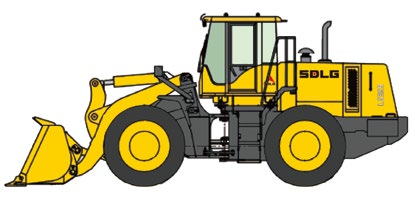 Wheel Loader
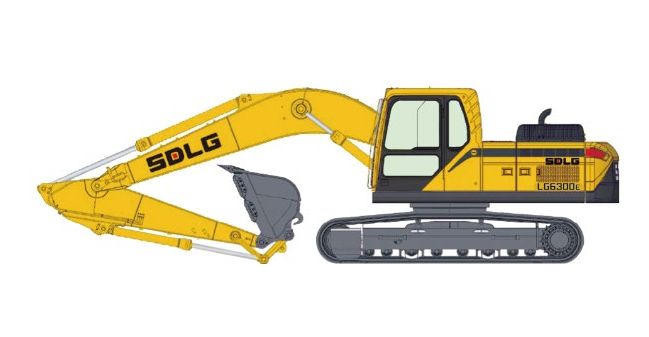 Excavator
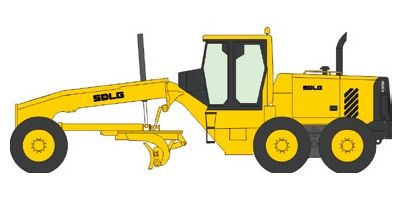 Motor Grader
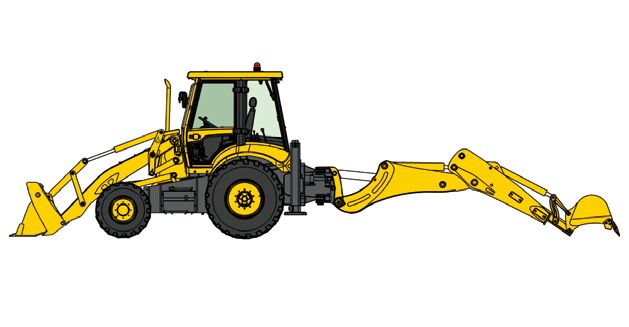 Backhoe Loader
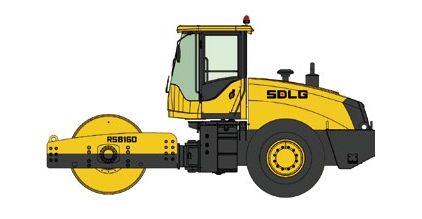 Road Roller
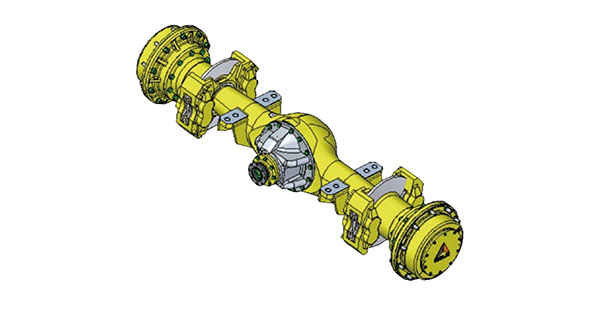 Spare Parts