2026 Top Excavation Equipment Types for Global Buyers
Choosing the right Excavation Equipment can shape project safety, productivity, and long-term operating costs. In 2026, global buyers face a wide range of machines, attachments, power systems, and digital controls. Excavators, mini excavators, backhoe loaders, wheel loaders, and trenching machines serve different ground conditions and workspaces. The best choice depends on more than purchase price.
This guide examines leading equipment types through practical buying factors. These include digging depth, operating weight, hydraulic flow, fuel efficiency, transport limits, and attachment compatibility. A compact excavator may fit a narrow urban site, while a heavy crawler excavator can handle deep foundations and hard soil. Electric models may reduce local emissions, but charging access and battery support remain important concerns. Real jobsite needs should guide every decision.
Reliable sourcing also requires careful supplier checks. Buyers should review technical documentation, warranty terms, spare-part availability, operator support, and regional service capacity. Standards and import requirements can differ between markets, so professional verification is essential. Product claims should be compared with test data and user experience, not attractive brochures alone. No single list is perfect. Soil, climate, operator skill, and project schedules can change the result. A machine that performs well in Germany may need different specifications in Kenya, Brazil, or Southeast Asia. The following overview helps buyers compare proven equipment categories with clearer expectations, practical detail, and a more disciplined view of total ownership value.
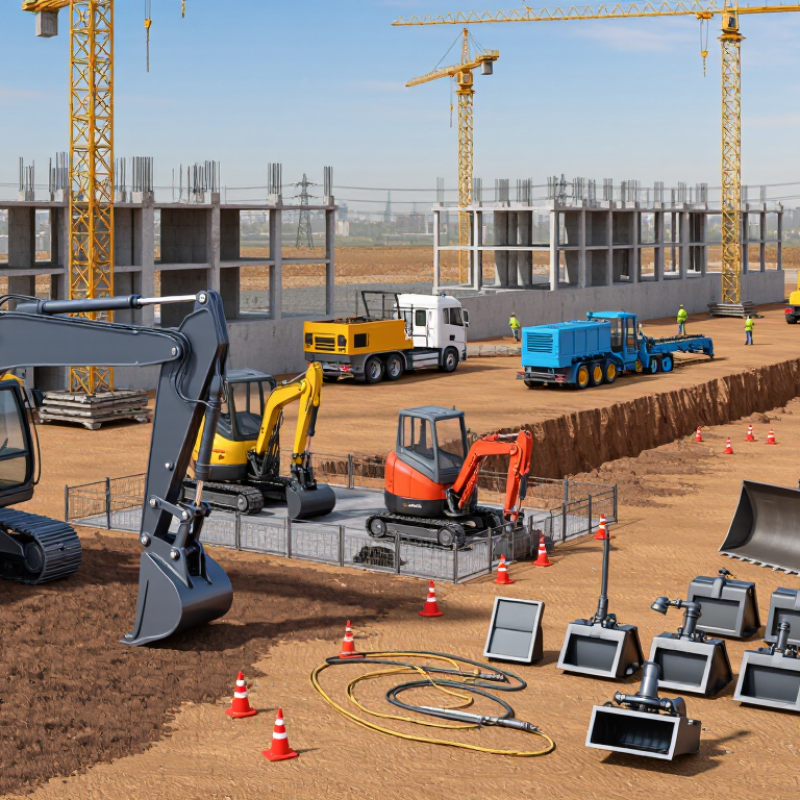
Excavator Classes by Operating Weight: 1–100+ t for Global Jobsite Needs
2026 Top Excavation Equipment Types for Global Buyers
Excavator classes are often grouped by operating weight, from compact 1-ton units to machines above 100 tons. Weight changes the job. Machines from 1–6 tons suit landscaping, narrow trenches, and residential repairs. Their low ground pressure helps protect paved surfaces, but digging depth remains limited. The 6–15-ton class balances transport, reach, and daily utility work. Medium excavators from 15–30 tons handle road drainage, foundations, and general earthmoving. Models from 30–50 tons deliver stronger breakout force for deep cuts and hard ground. Heavy units from 50–100 tons support quarry loading, major infrastructure, and mass excavation. Machines above 100 tons need carefully planned haulage, stable benches, and high-capacity support equipment.
Tips: Do not select by weight alone. Compare bucket size, arm reach, hydraulic flow, tail swing, and transport limits. Check local soil conditions before choosing a class. A 20-ton machine may work well on firm gravel but struggle on wet clay. On soft ground, wider tracks or temporary mats can reduce rutting. Attachment choice matters too. A breaker, auger, or hydraulic shear can change the required machine size. Specifications also vary between markets, so confirm the actual operating weight with the supplier.
A practical weakness in weight charts is their neat appearance. Real jobsites are less tidy. Operator skill, maintenance quality, slope angle, and weather can change productivity sharply. Buyers should request verified test data, service records, and clear shipping dimensions. Bigger is not always better. Sometimes, it is simply harder to move.
2026 Top Excavation Equipment Types for Global Buyers
Excavator classes by operating weight: 1–100+ tonnes for global jobsite needs
The chart compares common excavator classes by operating weight and representative bucket capacity. Mini and compact excavators are typically used for urban, landscaping, utility, and residential work, while medium, heavy, very heavy, and ultra-heavy excavators support road construction, quarrying, mining, and large-scale earthmoving. Bucket capacities are indicative industry ranges and vary by machine configuration, attachment, material density, and jobsite requirements.
Mini Excavators: 1–8 t Machines for Urban, Utility, and Landscaping Work
Mini excavators from 1 to 8 tonnes suit dense urban sites, utility corridors, and landscaping projects. Their compact frames can enter narrow gates, while zero or reduced tail swing helps protect walls, parked vehicles, and pedestrians. Fortune Business Insights estimated the global excavator market at about USD 63 billion in 2023, with continued growth through 2032. Compact equipment is gaining attention because contractors need productivity without large transport requirements.
A 1.8-ton machine can dig beside a house and travel on a small trailer. An 8-ton model offers deeper reach, stronger breakout force, and better stability for drainage or roadwork. Buyers should compare maximum digging depth, tail-swing radius, auxiliary hydraulic flow, and transport weight.
A narrow bucket is useful in utility trenches. A hydraulic thumb improves control when removing roots or broken concrete. Small details matter.
Fuel use is only part of the calculation. The 2024 Off-Highway Research outlook links equipment demand with infrastructure investment, urban development, and replacement cycles. For global buyers, service access and parts availability may matter more than a slightly higher engine output. Check operating temperature ranges, filtration, attachment compatibility, and operator visibility. A cheaper machine can become expensive when downtime lasts two weeks. I would not assume “mini” means low risk; poor ground conditions can still cause instability, especially near open trenches. Competent site planning remains essential.
Hydraulic Excavators: 10–100+ t Models for Bulk Earthmoving and Mining
Hydraulic excavators from 10 to 100+ tonnes serve very different production needs. A 10–20 tonne machine suits road cuts, utility trenches, site preparation, and moderate quarry work. Its compact tail and lower transport weight can reduce mobilization delays. Larger 30–50 tonne models handle bulk earthmoving with deeper digging forces and bigger buckets. They often balance productivity, fuel use, and haul-truck matching.
Scale changes the operating routine. A 70–100+ tonne excavator can load heavy rock efficiently in open-pit mining. Its reinforced boom, wider undercarriage, and high hydraulic flow support demanding cycles. However, ground conditions matter more than brochure capacity. Soft benches may require lower ground pressure, wider tracks, or improved access roads. Bucket size should match material density and truck payload, not simply maximum volume.
Small details affect real output. Operators should monitor hydraulic temperature, swing time, tooth wear, and idle hours each shift. Clean filters and planned inspections protect performance in dust-heavy environments. I have seen production estimates fail when loading distance was ignored. Bigger equipment can also lose time through transport limits, slow repositioning, or poor bench design. A practical selection compares hourly output, fuel consumption, service access, and local technician support. The best excavator is sometimes the less powerful one.
Backhoe Loaders and Skid Steers: 0.2–1.0 m³ Buckets for Versatile Tasks
Backhoe loaders and skid steers remain practical choices for global buyers handling varied excavation work. Their 0.2–1.0 m³ buckets cover narrow trenches, utility repairs, landscaping, and light construction. A backhoe loader combines front loading with rear digging, reducing the need for separate machines on small sites. Its stabilizers improve control when digging firm soil or shallow foundations.
Skid steers work well where turning space is limited. Their compact frames can move between buildings, fences, and stored materials. A 0.2–0.5 m³ bucket suits grading, soil removal, and aggregate handling.
Higher hydraulic flow supports augers, breakers, trenchers, and sweepers. Buyers should compare rated operating capacity, tipping load, lift height, hydraulic pressure, and attachment compatibility. Small details matter.
Soil conditions often change the decision. Wet clay may demand more breakout force and wider tires or tracks. Loose sand can reduce bucket fill efficiency. That assumption can be wrong. A larger bucket is not always faster if the machine lacks stability or lifting power.
Operators should check transport dimensions, service access, fuel use, and local parts availability. A machine that performs well during a site trial may still become expensive when support is distant. Practical testing should include a full bucket cycle, uneven ground, reversing visibility, and attachment changes. Short trials reveal weaknesses.
Global Buyer Standards: EPA Tier 4 Final, EU Stage V, and ISO 6015
2026 Top Excavation Equipment Types for Global Buyers
Global buyers are comparing crawler, wheeled, mini, and long-reach excavators more carefully in 2026. The correct choice depends on terrain, transport limits, digging depth, and local compliance. EPA Tier 4 Final requirements matter for many machines entering the United States. EU Stage V applies to non-road engines placed on relevant European markets. These standards control emissions, but they do not replace regular maintenance or proper documentation.
ISO 6015 deserves separate attention. It provides methods for measuring hydraulic excavator tool forces and performance. It is not an emissions standard. Buyers should request test conditions, rated loads, engine details, and conformity records. A machine may appear powerful in a brochure, yet perform differently in clay, gravel, or wet soil. That uncomfortable gap deserves investigation.
Tips: Match the engine certification to the destination before purchase. Check the serial plate, engine family, after-treatment system, and service history. Confirm that local fuel quality supports the required system. Keep inspection photos and test reports together. Small paperwork errors can delay delivery.
Field inspections often reveal overlooked issues. Filters may be unsuitable for dusty sites, while cooling systems may struggle in tropical climates. Buyers should compare whole-life operating costs, not only purchase prices. I would also question vague claims about “global compliance.” Regulations change, and some assumptions age badly. Local authorities should confirm the final import and operating requirements.

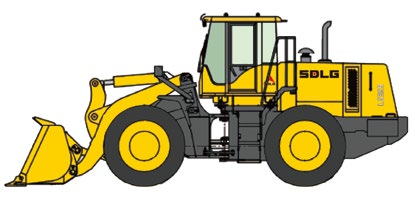 Wheel Loader
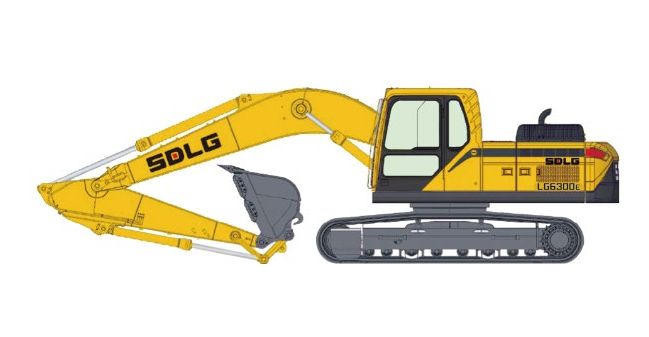 Excavator
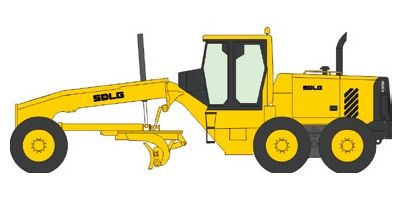 Motor Grader
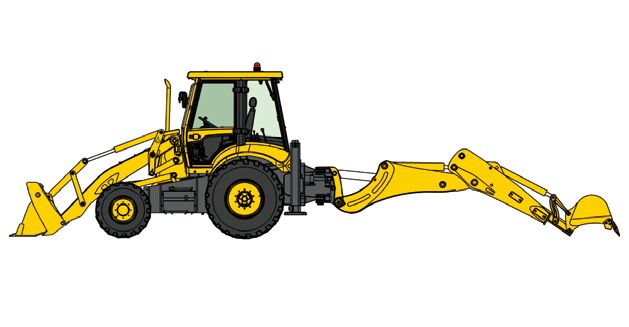 Backhoe Loader
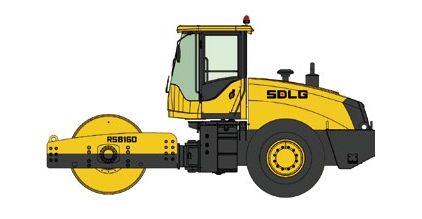 Road Roller
 Spare Parts