How to Become a Mobile Excavator Mechanic Today?
In today's rapidly evolving construction industry, the role of a Mobile Excavator Mechanic is increasingly crucial. Reports indicate that the demand for skilled professionals in this field is projected to grow by 10% over the next decade. As construction projects become more complex, the need for mobile excavator maintenance is paramount. A keen understanding of machinery and troubleshooting skills are essential.
However, becoming a Mobile Excavator Mechanic is not without its challenges. Many aspiring mechanics find it difficult to access proper training programs. Additionally, the fast pace of technological advancement means that ongoing education is necessary. It's vital to stay updated with the latest mechanics and repairs. Many professionals reflect on the need for strong foundational knowledge, which can sometimes be overlooked.
Moreover, practical experience is crucial. Some individuals struggle to secure apprenticeship positions. This often leads to gaps in their hands-on skills, limiting career advancement. Thus, while the path to becoming a Mobile Excavator Mechanic is promising, it requires careful planning and dedication. The road may be tough, but the rewards are undeniably worthwhile.

Understanding the Role of a Mobile Excavator Mechanic
A mobile excavator mechanic plays a vital role in the construction and excavation industry. Their primary responsibility is to diagnose and repair heavy machinery, ensuring that excavators are functional and efficient. According to a recent report from the U.S. Bureau of Labor Statistics, the employment of machinery mechanics is expected to grow by 6% over the next decade. This indicates a strong demand for skilled technicians in this field.
The job requires a deep understanding of hydraulic systems, engines, and electronic components. Mobile excavator mechanics often work in various environments, from construction sites to remote locations. They must have the ability to quickly assess machinery issues on-site. Each situation is unique, and sometimes, mechanics must face unexpected challenges. It's essential to develop problem-solving skills and remain calm under pressure.
However, working as a mobile excavator mechanic isn't without its difficulties. The job can be physically demanding and may involve long hours in adverse weather. Many mechanics encounter the frustration of dealing with outdated equipment or insufficient spare parts. Continuous learning is necessary to keep up with technological advancements in machinery. Frequent training sessions can help mechanics stay updated but can sometimes feel overwhelming. Ultimately, the role is rewarding, yet it demands resilience and adaptability.
Essential Skills and Qualifications for Mobile Excavator Mechanics
Becoming a mobile excavator mechanic requires a mix of essential skills and qualifications.
Technical knowledge is crucial. Understanding the mechanics of excavators is key. This includes knowing hydraulics, electrical systems, and engines. Experience with heavy machinery can set you apart. Hands-on skills are greatly valued in this field.
Certification in mechanics is often preferred. Formal education can enhance your credibility. Many community colleges offer programs tailored for aspiring mechanics. However, practical experience is equally important. Working with experienced professionals can provide real-life insights. Learning from your mistakes is part of the journey. Each project presents unique challenges. Reflecting on what went wrong is necessary for growth.
Communication skills are vital too. You will often coordinate with operators and supervisors. Clear communication can prevent misunderstandings. A mobile excavator mechanic should also be adaptable. Each day may present different work environments. Remaining flexible is essential. Errors can happen, and it’s important to learn from them. Every encounter can teach you something valuable.
Steps to Obtain Relevant Certifications in Excavation Mechanics
Becoming a mobile excavator mechanic requires dedication and the right certifications. Start by researching local training programs. Many community colleges offer courses tailored for aspiring mechanics. These courses typically cover machinery operation, maintenance, and repair techniques. Hands-on practice is invaluable, as it helps build essential skills.
Next, look into obtaining relevant certifications. Organizations often provide testing and training that enhance your credentials. Consider certifications in heavy equipment operation and diesel mechanics. These can improve job prospects significantly. Some learners struggle here, finding tests challenging. It’s essential to prepare thoroughly and seek help if needed.
Gaining experience through internships or apprenticeships is crucial. Real-world exposure helps to connect theory with practice. It's common to feel overwhelmed at first. The complexity of excavation machinery can be daunting. Acknowledge this feeling; use it as a motivation to learn more. Continual learning is vital in this field, as technology evolves rapidly. Stay curious and committed to developing your skills.
How to Become a Mobile Excavator Mechanic Today? - Steps to Obtain Relevant Certifications in Excavation Mechanics
| Step |
Description |
Estimated Time |
Certification Needed |
| 1 |
Research the role of an excavator mechanic and necessary skills. |
1 week |
N/A |
| 2 |
Enroll in a vocational training program focused on excavation mechanics. |
6 months |
Vocational Certificate |
| 3 |
Gain hands-on experience through internships or apprenticeships. |
3-12 months |
N/A |
| 4 |
Obtain relevant certifications, such as Heavy Equipment Mechanic certification. |
2-3 months |
Heavy Equipment Mechanic Certification |
| 5 |
Apply for entry-level positions as a mobile excavator mechanic. |
1-2 weeks |
N/A |
| 6 |
Continue professional development through additional training and workshops. |
Ongoing |
Specialty Certifications |
Tools and Equipment Required for Mobile Excavator Mechanic Work
To excel as a mobile excavator mechanic, you need the right tools and equipment. Start with essential hand tools.
Wrenches, screwdrivers, and pliers are crucial. Make sure to have a quality set for different tasks.
A reliable socket set saves time. Don’t overlook a good toolkit for intricate work.
Another vital piece of equipment is a diagnostic scanner.
This tool helps identify issues quickly. Understanding machine codes can streamline your repairs. Always keep spare parts on hand, too.
You never know when a simple component will fail.
Tips: Always organize your tools. A cluttered workspace can lead to mistakes.
Regularly check your equipment for wear and tear. Small issues can become bigger problems. When starting out, document your repairs.
This will help you learn and avoid repeating the same mistakes.
Exploring Job Opportunities and Career Growth in Excavation Mechanics
The field of excavation mechanics offers various job opportunities.
Mobile excavator mechanics work on-site, handling complex machinery. They diagnose and repair equipment in challenging conditions.
This hands-on role can lead to growth in technical skills and knowledge.
Mechanics often face unexpected issues. Problem-solving is essential in this job.
Career growth in excavation mechanics can be promising.
Many start as trainees or assistants, gradually moving up. They learn to operate different types of excavators and machinery.
Experience can lead to supervisory roles or specialized positions. Staying updated with technological advancements is vital.
The industry is fast-paced and requires continuous learning.
Networking plays a significant role in career advancement. Attending workshops and trade shows can provide valuable connections.
Many mechanics find mentorship helpful. Challenges such as the physical demands of the job can lead to self-reflection.
Finding a balance between work and personal life can be tough. However, the rewards of this career can be substantial.

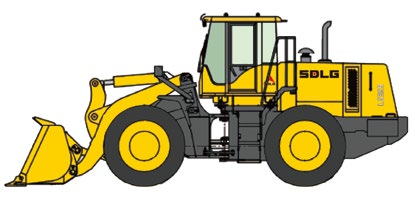 Wheel Loader
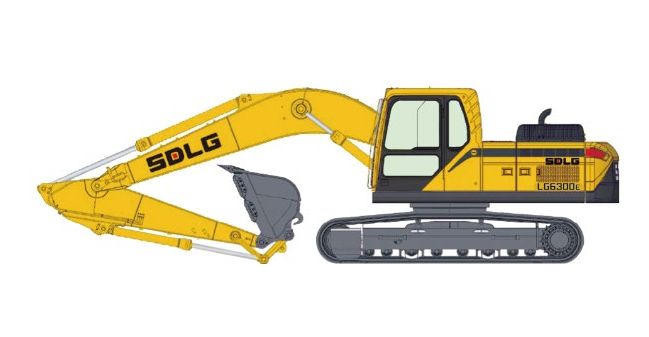 Excavator
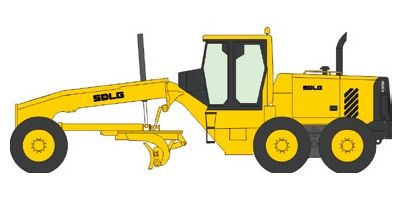 Motor Grader
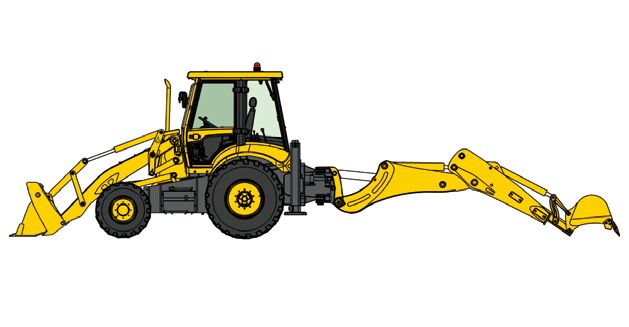 Backhoe Loader
 Road Roller
 Spare Parts