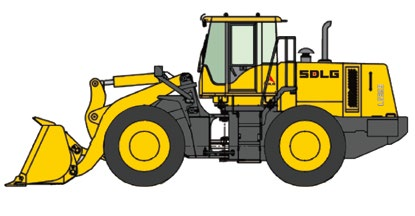
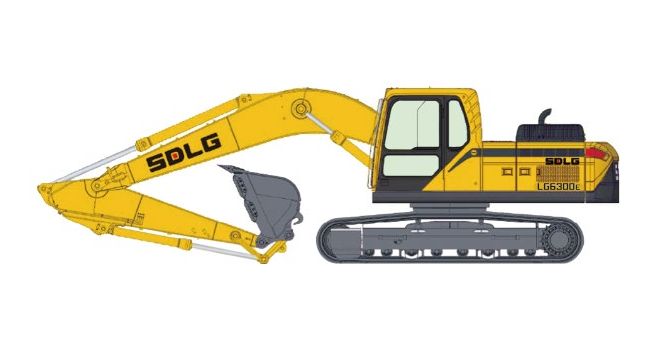
China’s heavy-equipment market is shaped by large-scale manufacturing, intense domestic competition, and growing export activity. The China Construction Machinery Association reported that 12 major excavator manufacturers sold 200,397 units in 2024. Domestic sales reached 100,543 units, while exports totaled 99,854. These figures show a market with substantial production capacity, but they do not prove that every supplier offers the same quality, support, or value. Numbers need context.
This guide introduces 10 notable Chinese heavy machine equipment suppliers and the factors that can help buyers assess them. It considers product range, operating conditions, parts availability, service response, and export experience. KHL Group’s annual Yellow Table offers another useful industry reference by tracking major manufacturers’ construction-equipment revenues. Yet global scale alone cannot tell a buyer how quickly a dealer can deliver a replacement hydraulic hose to a remote worksite. That detail matters. For a Heavy Machine Operator, machine visibility, control response, comfort, and dependable maintenance support affect daily productivity and safety. This overview is a starting point, not a substitute for checking current specifications, service terms, and customer references. Some comparisons remain imperfect because suppliers publish different data, and local dealer performance can vary. That deserves careful review.
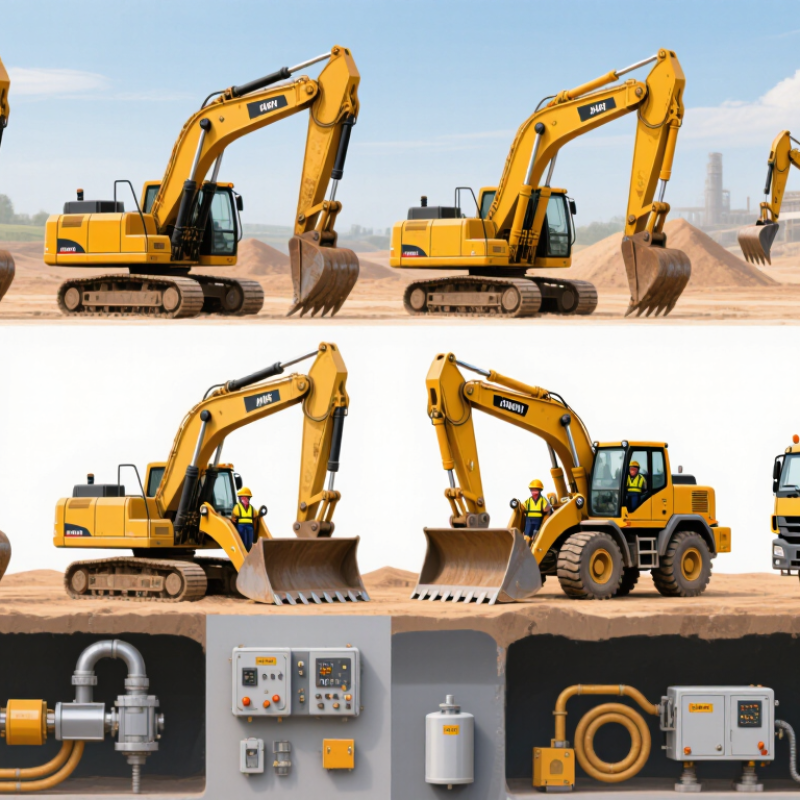
Heavy equipment suppliers are not one uniform group. An original equipment manufacturer (OEM) designs and builds machines; distributors, rental firms, and component suppliers support delivery, uptime, or repairs. KHL’s Yellow Table 2024 reported about US$243.4 billion in combined 2023 revenue for the world’s 50 largest construction-equipment manufacturers. That figure shows the market’s scale, not whether a supplier suits a specific job. That distinction matters.
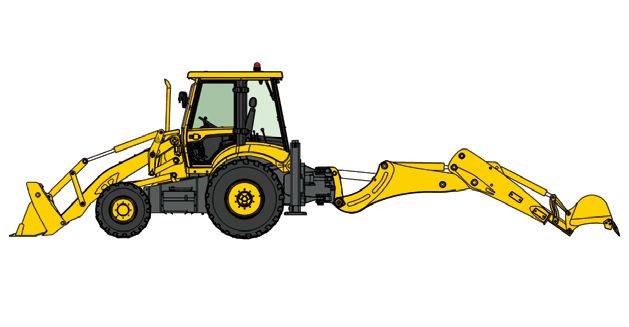
Product categories commonly include earthmoving machines, lifting equipment, road-building machinery, and material handlers. Compare load capacity, working reach, ground conditions, and service access—not just machine size. Operator systems matter too: cab visibility, control layout, seat adjustment, displays, and maintenance alerts affect daily use. A machine can look right on paper yet feel awkward after a full shift. Specs alone do not tell the whole story.
Tips: Ask operators to test controls in work gloves and check sightlines from the seated position. Confirm local parts support and training options. Small details count. Supplier categories can overlap, so verify who handles repairs and software support before comparing quotes.
China’s excavator market offers a useful baseline for evaluating heavy equipment demand. The China Construction Machinery Association reported 195,018 excavator sales in 2023. This national figure signals substantial market activity, but it does not show how sales were divided by machine size, region, or application. Sales totals are not supplier rankings. Buyers should use the figure as context, not as proof that every equipment category has equal demand.
On a real jobsite, requirements can differ sharply. A contractor working in a tight urban lot may need a compact machine, while a quarry may require higher digging force and a larger bucket. Check operating weight, fuel use, attachment compatibility, parts access, and service response before comparing suppliers. Ask for written specifications and clear maintenance terms. A sales figure can make the market look simpler than it is. It isn’t.
Tips: Match machine size to the site, not just the quoted price. Confirm local parts availability and technician response times. Ask suppliers how they support routine servicing. Keep in mind that a strong national sales total cannot predict your machine’s uptime or operating costs.
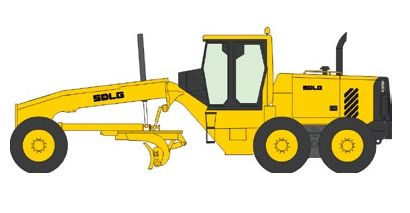
China’s heavy equipment manufacturers serve construction, mining, roadwork, and infrastructure projects. Their strengths vary: some focus on crawler excavators and wheel loaders, while others build graders, dozers, cranes, or concrete pumps. The ten supplier profiles are most useful when compared by machine type, operating conditions, and service support—not by catalogue size alone.
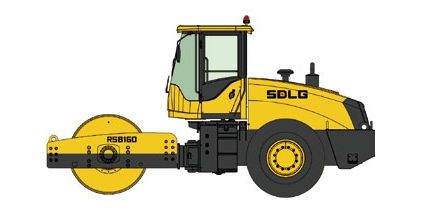
The remaining profiles can cover drilling rigs, mining trucks, road rollers, and telehandlers, alongside the larger machine categories. Compare rated capacity with actual job requirements. Ask for service response times and replacement-part lead times in writing. No brochure shows the whole story. Published market figures reveal scale, not uptime; independent field records and operator feedback help fill that gap.
Comparing suppliers requires more than checking machine specifications. Product range matters when projects need excavators, loaders, or lifting equipment from one source. Yet a wide catalog does not guarantee consistent quality across every model. Ask for model-specific data, operating manuals, and clear details on standard attachments. Details matter.
Export reach can affect delivery schedules, spare-parts access, and communication across time zones. Request references from buyers in comparable markets, along with realistic shipping estimates. After-sales support deserves equal attention. Check technician availability, warranty terms, parts lead times, and whether remote troubleshooting is practical. A polished service promise is not proof; ask how a past repair was handled. This can be awkward, but it is useful.
Tips: Compare suppliers with the same checklist. Record product coverage, export experience, response times, and parts availability. Ask who pays for replacement components and how claims are documented. Check support hours before signing. A low quote may still fit a project, but only if service expectations are understood. Leave room for uncertainty; supplier claims should be verified, not simply accepted.
When comparing heavy machine operator equipment suppliers in China, assess the machine, not just its price. Ask for documented conformity with relevant standards, such as ISO 20474 for earth-moving machinery and ISO 19014 for functional safety of control systems. Check operator sightlines, cab access, seat-belt condition, warning systems, and maintenance records in person. The US Bureau of Labor Statistics recorded 1,075 fatal work injuries in construction in 2023; this figure is not China-specific, but it underlines why safety checks matter. Paperwork alone is not enough.
Tips: Request a live telematics demonstration. Confirm that the system tracks engine hours, idle time, fault codes, and service intervals. Ask who can access the data and how reliably it syncs at remote sites. A dashboard can help schedule maintenance, but poor connectivity may leave gaps.
Compare lifecycle costs over the expected working years, including fuel, filters, tires or tracks, repairs, operator training, downtime, and resale value. Ask suppliers for parts lead times and service response commitments, then compare them against your site’s operating conditions. A low purchase price can hide expensive maintenance. I would still treat projected resale value cautiously; local demand can change, and estimates are not guarantees.