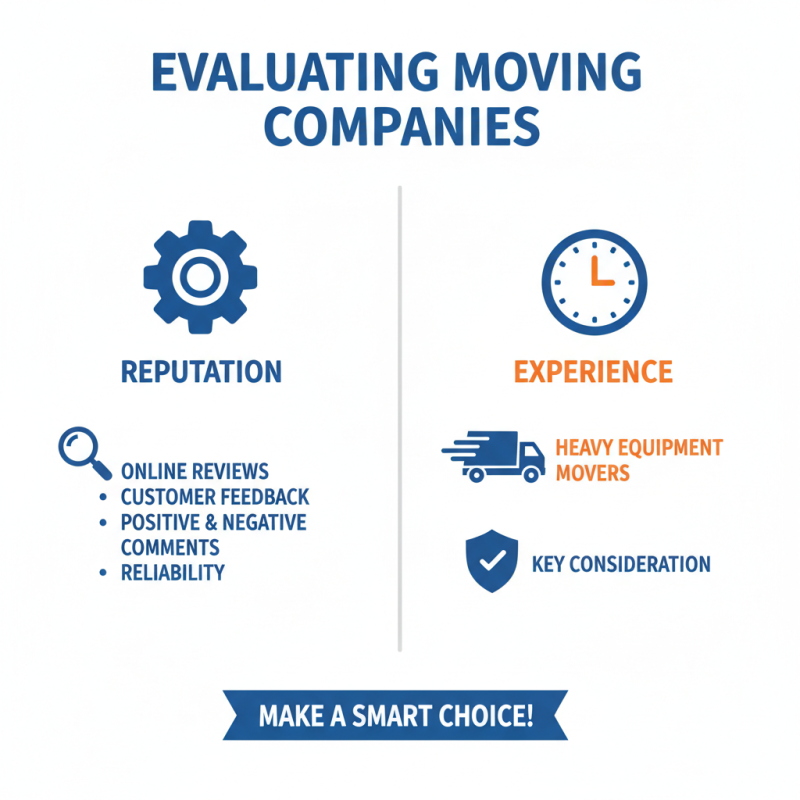
How to Choose the Best Heavy Equipment Movers for Your Needs?
Choosing the right Heavy Equipment Movers can significantly impact your project’s efficiency and safety. Selecting a mover is not just about cost; it's about finding a trustworthy partner. Heavy equipment requires careful handling to avoid damage and ensure compliance with regulations.
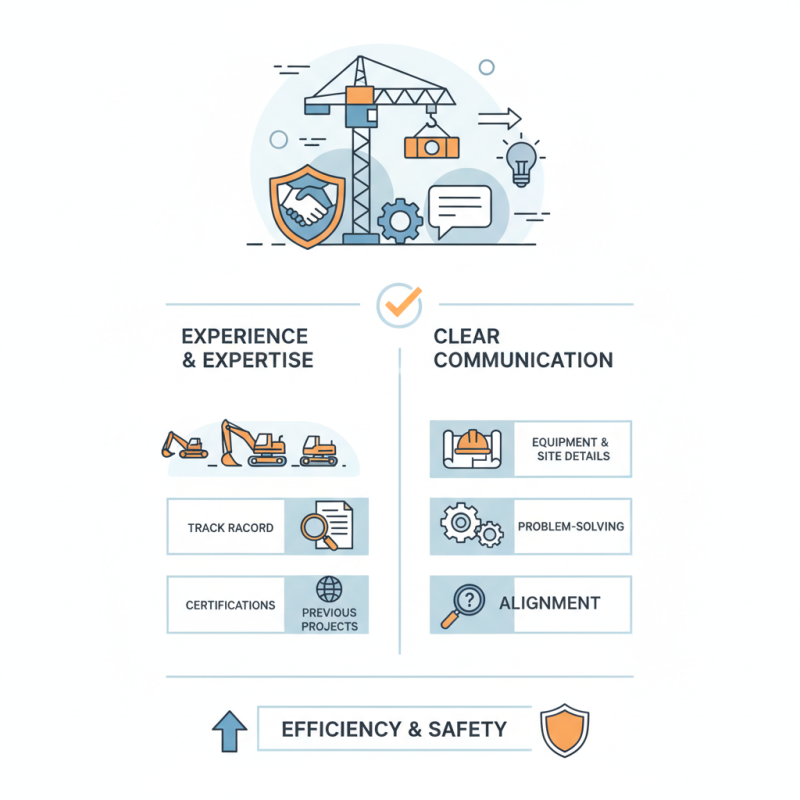
Your choice should reflect a balance of experience and expertise. A mover with a solid track record demonstrates reliability. Look into their previous projects to gauge their performance. What machinery have they transported? Do they have the necessary certifications? These details provide insight into their capabilities.
It's also important to communicate your needs clearly. Some movers may claim to specialize in heavy equipment, but an in-depth discussion often reveals gaps in their knowledge. Ensure they understand the specifics of your equipment and site conditions. Evaluate their problem-solving skills during this dialogue. In doing so, you can identify the mover that aligns best with your requirements.
Understanding Your Heavy Equipment Moving Needs
Understanding your heavy equipment moving needs is crucial in selecting the right movers. Heavy equipment can vary widely in size and weight. According to a report by the American Rental Association, the demand for heavy equipment rental has increased by 25% over the past three years. This growth highlights the necessity for reliable moving solutions tailored to specific requirements.
Consider the type of equipment you need to transport. Equipment like excavators or cranes often requires specialized hauling methods. Heavy-duty trucks and advanced loading techniques are essential for safe transport. The average weight of an excavator can reach up to 20 tons. Movers should be well-versed in managing such loads. Additionally, ensure the moving team has appropriate training. Their expertise is vital for minimizing risks. A lack of experience can lead to damage, delays, or even accidents.
Next, evaluate the distance and route of the move. Long hauls require careful planning and logistics. A survey from the International Heavy Equipment Transport Association indicates that 40% of on-site delays stem from poor route planning. It's important to consider road conditions and restrictions. Effective communication with the moving team about your needs helps facilitate a smoother process.
Assessing the Range of Services Offered by Movers
When selecting heavy equipment movers, evaluating their range of services is crucial. Some movers specialize in transporting specific types of machinery. Others handle a broader spectrum of equipment. It’s essential to match your requirements with their expertise. Look for movers with experience in the type of heavy equipment you possess. A professional mover should understand how to handle various weights and sizes, minimizing the risk of damage.
Verify if the movers offer additional services like loading, unloading, and setup at the destination. This can save you time and effort. Some companies provide specialized rigging services, which is beneficial for oversized items. Ensure they have the necessary certifications and insurances. This reflects their commitment to quality and safety. Also, it reassures you that they are liable for any potential mishaps.
Don't hesitate to ask about their past projects. This can give insight into their reliability and professionalism. Reading reviews can also be informative but take them with caution. Not all feedback reflects the whole picture. Reflect on what services are non-negotiable for your needs. Choosing the right heavy equipment mover is about finding a balance between services offered and your specific requirements.
Comparing Costs and Budgeting for Heavy Equipment Moving
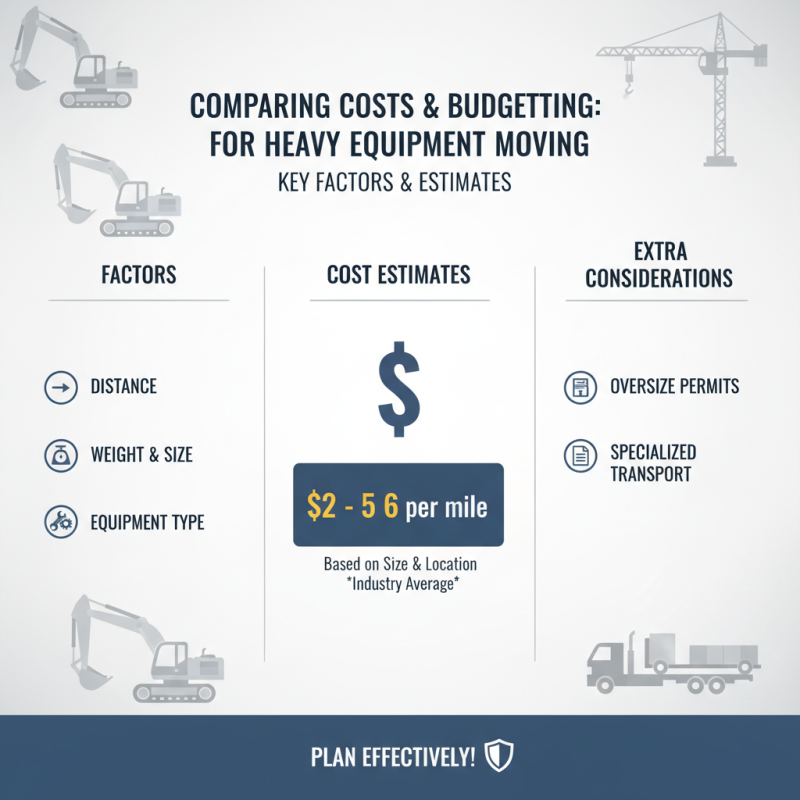
When budgeting for heavy equipment moving, factors like distance, weight, and the type of equipment play a significant role. According to industry estimates, moving heavy equipment can cost anywhere from $2 to $6 per mile, depending on the equipment's size and location. For instance, oversized loads may incur extra fees due to permits and specialized transportation. Understanding these nuances can help you plan effectively.
Tips to consider include getting multiple quotes from movers. This allows you to gauge the market rate. Ensure the quotes break down costs for labor, transportation, and additional fees. A report by the American Moving and Storage Association indicates that transparent pricing reduces the likelihood of unexpected charges. It's wise to communicate your specific needs to get accurate estimates.
Remember, planning for delays and unforeseen circumstances can add to your budget. Heavy equipment moves are complex. A report by the Heavy Equipment Transporters Association shows that logistical challenges lead to 20% of projects exceeding their planned budget. Engaging experienced movers who understand these challenges is essential for a smoother, more predictable process.
Ensuring Safety and Compliance in Heavy Equipment Transportation
When choosing heavy equipment movers, safety should be a top priority. Look for companies with a strong safety record. Ask about their training programs. Proper training can reduce the risk of accidents during transport. Ensure the movers use safety gear and follow industry standards. This compliance protects your equipment and workers.
Inspect their equipment thoroughly. Reliable movers will have well-maintained trucks and rigging gear. Check for safety certifications. These indicate adherence to regulations. It shows they prioritize safety and quality. Request references or testimonials from past clients. This can give insight into their reliability.
Consider their experience with different types of heavy equipment. Not all movers are equipped to handle every situation. Specialized knowledge is essential for unique challenges. This expertise helps prevent mishaps. Make a checklist of safety practices they follow. Reflect on how their methods align with your needs. A thoughtful approach today prevents costly mistakes tomorrow.

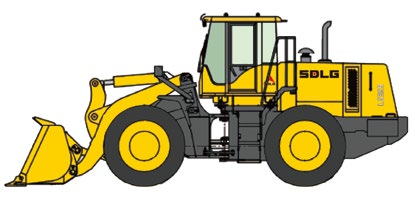 Wheel Loader
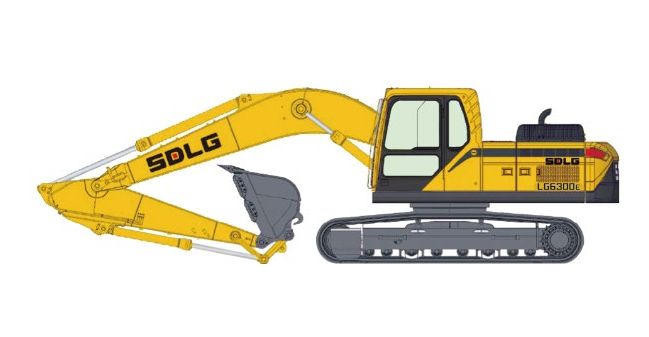 Excavator
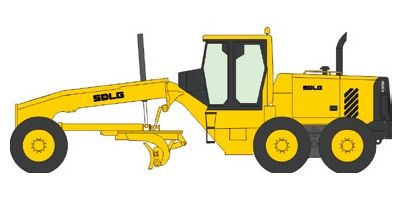 Motor Grader
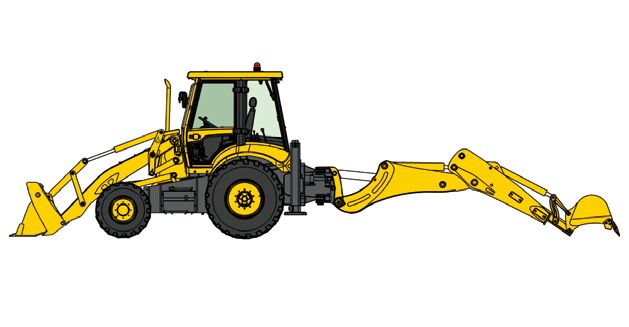 Backhoe Loader
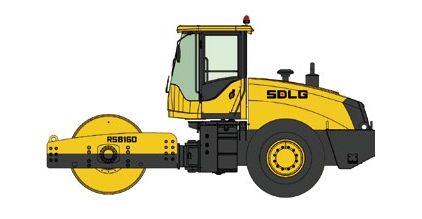 Road Roller
 Spare Parts