How to Choose the Best Heavy Equipment Movers for Your Needs?
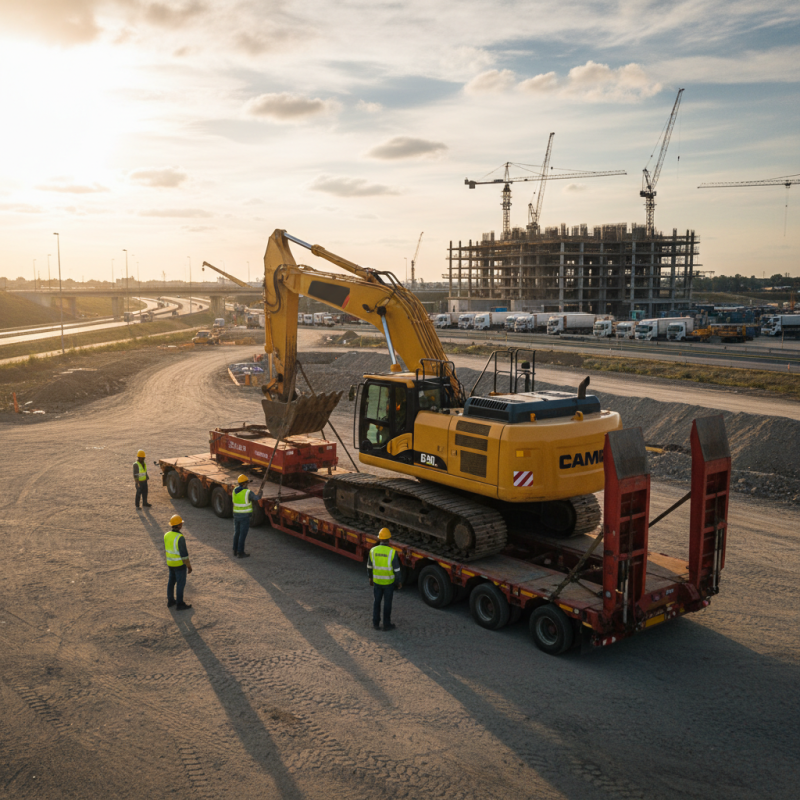
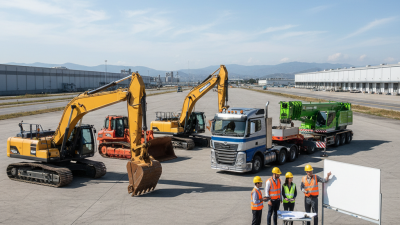
Choosing the right Heavy Equipment Movers can be a daunting task. Whether you are moving construction machinery or industrial tools, the choice is crucial. You need professionals who understand the intricacies of heavy lifting and transportation. Reliability is key in this field.
Consider the movers' experience and expertise. Companies with a proven track record bring valuable knowledge to the table. They have tackled various challenges and know the safest methods. However, not all experienced movers maintain high standards. It’s essential to verify their credentials.
Cost is another important factor. Some movers offer competitive rates but lack quality service. Balancing affordability and reliability requires careful research. Look for reviews and testimonials. Seek those that resonate with your specific needs. This way, you can avoid some common pitfalls in hiring Heavy Equipment Movers.
Identifying Your Heavy Equipment Moving Requirements
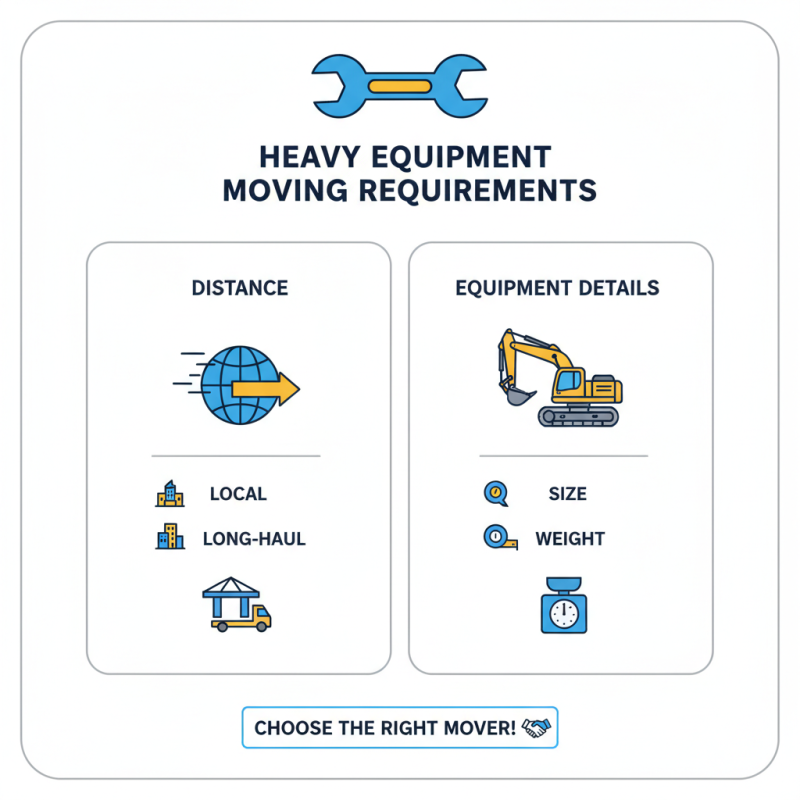
When planning to move heavy equipment, it’s crucial to understand your specific requirements. Are you relocating machinery across town or across the country? The distance can significantly impact the moving process. Additionally, consider the size and weight of your equipment. Knowing these details helps in selecting the right moving company. They should have the expertise and resources tailored to your needs.
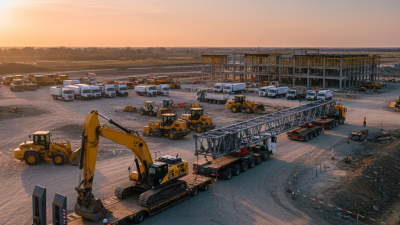
Another important factor is the nature of your equipment. Some machinery may need special handling or permits. For instance, oversized loads often require additional planning. This often leads to delays if not addressed upfront. Reflect on the layout of your loading and unloading sites. Factors like accessibility and space can complicate the move. Clear these details early on with your chosen mover to prevent misunderstandings later.
Ultimately, the right heavy equipment mover will align with your specific needs. They should offer personalized solutions, ensuring a seamless relocation. This means being adaptable to your circumstances, whether you face tight deadlines or unexpected challenges. Don’t hesitate to ask questions. Clarity is key to a successful moving experience.
Evaluating the Experience and Reputation of Moving Companies
When selecting heavy equipment movers, evaluating their
experience and reputation is crucial. Companies with extensive
experience often handle challenging moves with greater ease. Their staff is usually well-trained, ensuring that
equipment is transported safely. Look for movers who have been in the industry for several years. A long track
record can indicate reliability and expertise.
Reputation can be assessed through online reviews and testimonials. While positive reviews highlight strengths,
negative feedback can reveal potential issues. It’s prudent to pay attention to recurring themes in customer
comments. A mover praised for their attention to detail
is likely better suited for delicate equipment. However, do not overlook the occasional negative review; sometimes,
even the best can have off days.
Lastly, consider the mover’s licensing and insurance. A
legitimate company should have the necessary permits for heavy equipment transport. Adequate insurance protects
your investment should anything go wrong. But, some businesses may lack sufficient coverage. This oversight could
be a red flag. Always ask for proof of insurance during
your evaluation. Balancing experience, reputation, and proper documentation will help you make an informed decision.
Assessing Safety Standards and Equipment Used by Movers
When selecting heavy equipment movers, safety should be your top priority. Assessing the safety standards the movers adhere to is crucial. A reliable mover will have robust safety protocols. They often provide safety certifications and training for their staff. This minimizes risks during transportation.
Tips: Always request proof of safety training for the team. Check for recent inspections of their equipment. Make sure they follow industry guidelines.
Moreover, look at the equipment itself. Movers should utilize well-maintained vehicles and machinery. Old or poorly serviced equipment can pose risks. Ask about their maintenance schedule. Open discussions about their equipment show transparency. This builds trust in their service.
Tips: Inspect the equipment before hiring. Ensure it meets safety regulations. Walk through their operational procedures. This ensures that safety is not taken lightly.
Remember, not all movers prioritize safety equally. Reflecting on their past performance can also be insightful. Seek reviews or testimonials about their safety record. It’s essential to choose a mover that values safety as much as you do.
How to Choose the Best Heavy Equipment Movers for Your Needs? - Assessing Safety Standards and Equipment Used by Movers
| Criteria |
Details |
Importance |
| Safety Standards |
Check for compliance with OSHA regulations and industry safety certifications. |
Critical for ensuring safe transportation and reducing liability. |
| Experience |
Years of experience in handling heavy machinery and equipment. |
High; experienced movers often have efficient procedures and problem-solving skills. |
| Equipment Used |
Type and quality of transport vehicles, cranes, and rigging equipment. |
Important for ensuring the equipment is moved safely and efficiently. |
| Insurance Coverage |
General liability and cargo insurance to cover potential damages. |
Essential for protecting your investment during transport. |
| References and Reviews |
Client testimonials, case studies, and online reviews. |
Highly valuable; can indicate reliability and customer satisfaction. |
| Cost Estimates |
Detailed breakdown of costs associated with moving services. |
Important for budget planning; should be competitive without compromising safety. |
Comparing Cost Estimates and Services Offered
When selecting heavy equipment movers, cost estimates play a vital role. Different companies will offer varying prices for their services. Collect multiple quotes to understand the price range in your area. Consider whether the rates include loading, transportation, and unloading. These details can significantly impact overall costs.
Additionally, examine the services provided. Some movers may offer specialized equipment for particular types of machinery. Others might provide experienced personnel who understand the complexities of heavy equipment. Assess their qualifications and experience level. A capable team can prevent damage and ensure that your equipment is safely relocated. It can be disappointing if the chosen mover lacks the expertise, leading to delays and unforeseen costs.
On the other hand, it can be challenging to navigate through service offerings. A lower price may come at the expense of quality. Meanwhile, higher costs do not always guarantee better service. Therefore, weigh the pros and cons carefully. Reflect on past moving experiences. Learning from any previous challenges can guide your decision more effectively.
Cost Estimates and Services of Heavy Equipment Movers
Understanding Insurance Options and Liability Coverage in Moves
When selecting heavy equipment movers, understanding insurance options is crucial. Many businesses underestimate the importance of liability coverage in case of accidents or damages. According to the American Moving and Storage Association (AMSA), approximately 20% of moves involve some form of loss or damage. This statistic highlights the necessity of robust insurance.
Different movers offer varying insurance policies. Some provide basic coverage, which may not fully protect your investment. For instance, cargo insurance typically covers the value of your machinery, but may not include other liabilities. It's essential to ask about the types of coverage available. Clear conversations can prevent costly surprises.
Liability coverage protects against damages during transit. Without proper insurance, you may be financially responsible for repairs. The Machinery Dealers National Association states that heavy equipment can cost upwards of $100,000. Losing such an asset can be devastating for a business. By understanding coverage options, you can make informed decisions that secure your investment.

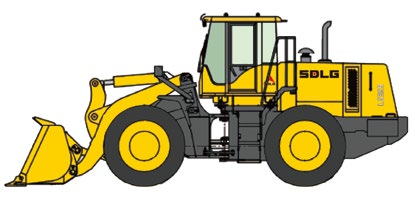 Wheel Loader
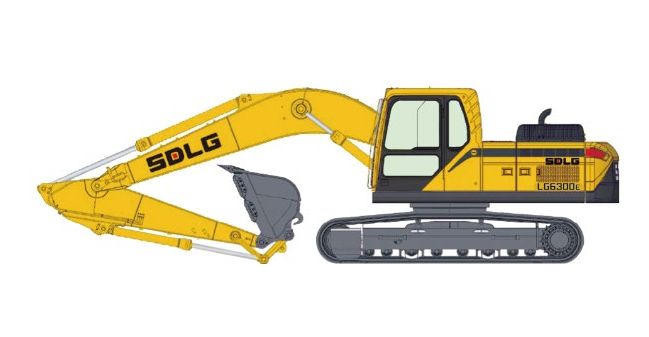 Excavator
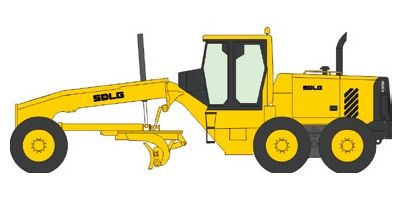 Motor Grader
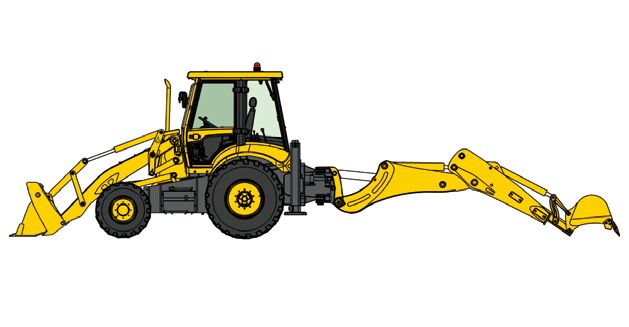 Backhoe Loader
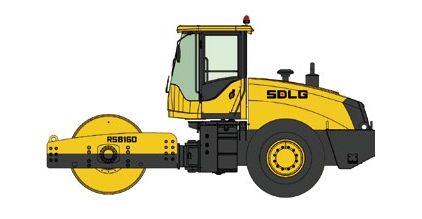 Road Roller
 Spare Parts