How to Choose the Best Sany Excavators for Your Project?
Choosing the right Sany Excavators for your project is crucial. These machines play a significant role in construction and excavation tasks. Their capability affects productivity and efficiency. Understanding your project needs is essential.
Sany Excavators come in various sizes and features. For instance, the weight, digging depth, and engine power vary widely. You might need a compact model for tight spaces, or a larger one for heavy-duty tasks. Each project has unique requirements that influence your choice. It’s important to reflect on what tasks you will perform.
Researching the different models can feel overwhelming. Each Sany Excavator offers distinct advantages. Some models focus on fuel efficiency, while others emphasize lifting capabilities. Analyzing these features helps ensure you select the right equipment. Remember, your choice can impact overall project success. Consider both short-term needs and long-term goals when making this decision.
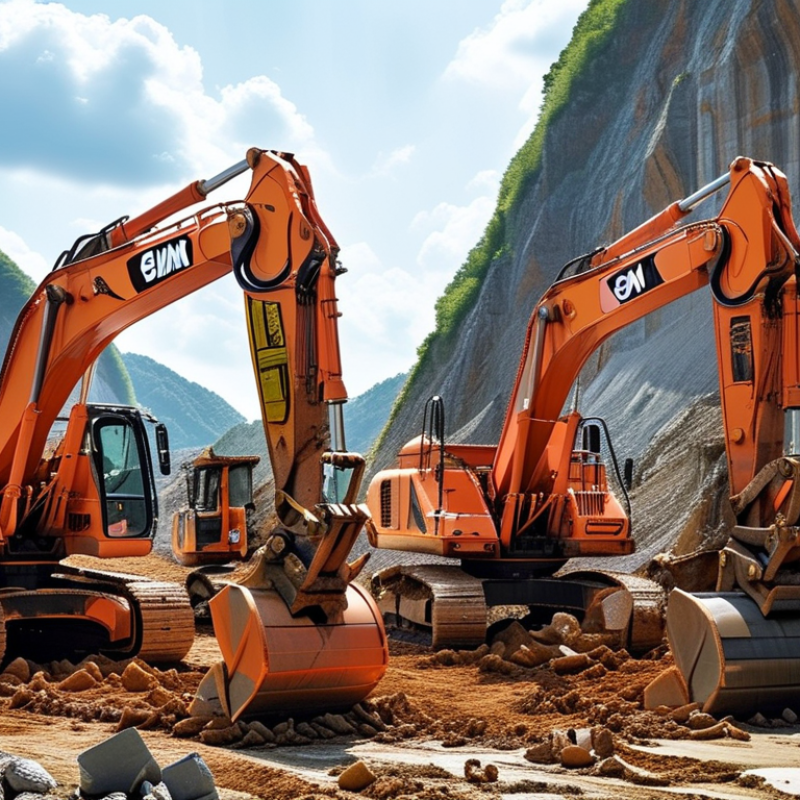
Understanding the Types of Sany Excavators Available in the Market
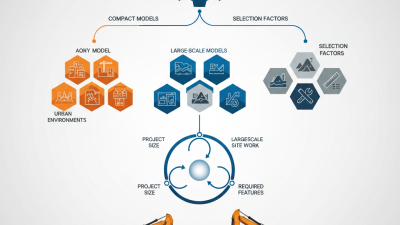
When selecting a Sany excavator, it’s vital to understand the different types available. Sany offers a range of excavators suited for various applications, including mini, standard, and large excavators. Mini excavators are ideal for tight spaces. Their compact size allows for efficient work in small urban areas.
According to a recent industry report, the demand for mini excavators has surged by 12% in the past year. This growth reflects their increasing popularity among contractors. In contrast, large excavators account for a significant portion of the market due to their high productivity in large-scale projects. Reports indicate that large machines are primarily used in heavy construction, mining, and infrastructure projects.
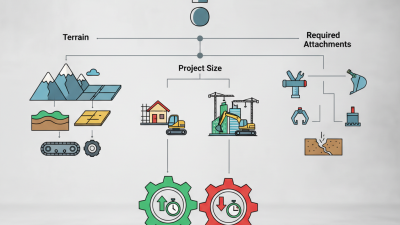
Understanding these categories helps identify the right excavator for your needs. However, this decision can often be overwhelming. Variables like project size, work environment, and attachment compatibility complicate the selection process. Assessing these factors deeply is crucial. Many users overlook the importance of these considerations, leading to suboptimal equipment choices. Balancing power, efficiency, and cost can be a challenging endeavor.
Evaluating Your Project Requirements for Excavation Needs
When evaluating your project requirements for excavation, consider the specific tasks at hand. The scale of the excavation site matters greatly. A small residential project may need a compact machine, while a large construction site often requires a heavy-duty model. Assess the terrain too. Rocky, uneven surfaces can complicate operations, indicating a need for a more robust excavator.
Another aspect to reflect on is the depth of the excavation. Some jobs require shallow digging, while others demand deeper excavations. It is essential to determine the load and type of materials you'll be working with. Also, keep in mind the maneuverability needed for your project. Tight spaces require agile equipment, which may influence your choice.
Finally, think about the budget. High-end excavators offer advanced features but can strain your finances. Weigh the costs against the benefits for long-term use. Remember, the right choice boils down to understanding your specific excavation needs and project dynamics. Overlooking details may lead to delays or increased costs. Be mindful of your options. It’s okay to seek guidance from experts who understand these factors well.
How to Choose the Best Sany Excavators for Your Project? - Evaluating Your Project Requirements for Excavation Needs
| Project Type |
Soil Type |
Excavator Weight (ton) |
Bucket Capacity (m³) |
Digging Depth (m) |
Project Duration (days) |
| Residential Construction |
Clay |
8 |
0.5 |
4 |
30 |
| Commercial Development |
Sand |
12 |
0.8 |
5 |
45 |
| Road Construction |
Gravel |
15 |
1.0 |
6 |
60 |
| Landscaping |
Loam |
5 |
0.3 |
3 |
20 |
Key Features to Consider When Selecting a Sany Excavator
When selecting a Sany excavator for your project, consider key features that directly impact performance and efficiency.
Engine power is crucial. A powerful engine ensures better productivity. According to industry reports, machines with at least 100 horsepower can perform tasks swiftly on challenging terrains. This power enables faster cycle times, especially in demanding environments.
Another essential factor is the digging depth. Many projects require excavators with varying depths for efficient operations. Excavators that reach deep can handle diverse tasks such as foundational work and trenching.
Models with a digging depth of over 5 meters are often preferred. This flexibility can reduce downtime and enhance project speed.
Additionally, operator comfort and usability are vital. Features like ergonomic controls and spacious cabs can significantly impact productivity.
Studies indicate that comfortable operators tend to work more efficiently. Noise levels and visibility also contribute to overall effectiveness.
An excavator with good sightlines minimizes accidents and improves precision. While many models offer these features, finding the right balance between cost and performance can be challenging. Each project may demand different specifications, leading to difficult choices.
Assessing Budget and Cost-Effectiveness of Sany Excavators
When evaluating the budget for Sany excavators, it’s crucial to consider initial costs versus long-term value. A low purchase price might seem appealing, but hidden expenses can accumulate over time. Maintenance, fuel efficiency, and possible downtime in the long run often outweigh upfront savings. Assess these factors to avoid unexpected financial burdens.
Another key aspect is to analyze the specific needs of your project. Different models offer varying capabilities, affecting overall productivity. For instance, a more powerful excavator may have a higher purchase price but could complete tasks faster and more efficiently. Consider how much time and labor costs can be saved. Sometimes, choosing the right size and model can be a gamble. It’s vital to reflect on whether larger machinery will truly enhance your project.
Lastly, financing options contribute to cost-effectiveness. Renting versus purchasing is a dilemma many face. Renting can lower immediate expenses but might not be as beneficial for long-term projects. Balancing these elements requires careful thought and thorough research. Don’t underestimate the significance of aligning your budget with project requirements to ensure a successful outcome.
Cost-Effectiveness Analysis of Excavators
Maintenance and Support Options for Sany Excavators
When selecting Sany excavators, understanding maintenance and support options is crucial. Proper upkeep keeps machines running efficiently. Research shows that regular maintenance can extend machinery life by up to 30%. Neglecting it may result in costly repairs and downtime. Many operators overlook preventive measures, leading to unexpected breakdowns.
Consider investing in comprehensive service packages. These can provide regular check-ups and quick repairs. Data from industry reports indicates that machine availability can skyrocket with proactive maintenance. When choosing support services, look for ones that offer around-the-clock assistance. This reduces wait times for repairs, ensuring projects stay on schedule.
Tips: Document maintenance history to identify recurring issues. This helps technicians address underlying problems effectively. Also, train your team on basic troubleshooting. Empowered operators can often resolve minor issues before they escalate. Remember, maintenance isn’t just about fixing; it’s about enhancing productivity and safety. Investing time in these aspects pays off.

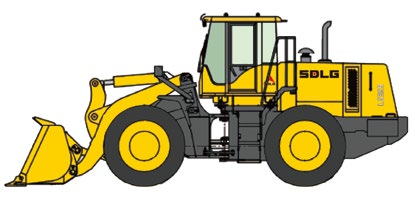 Wheel Loader
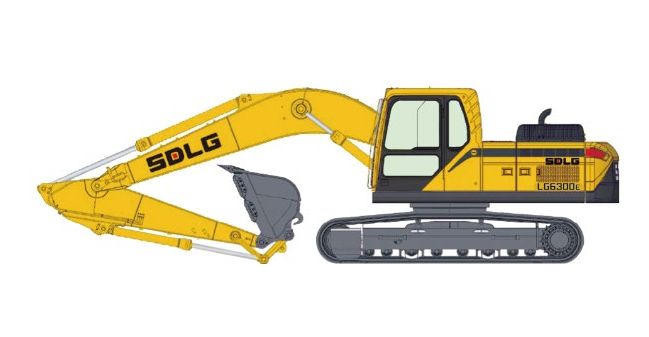 Excavator
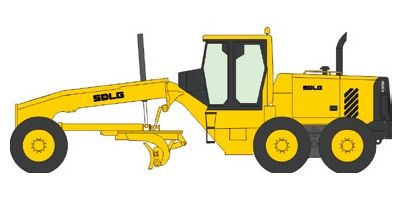 Motor Grader
 Backhoe Loader
 Road Roller
 Spare Parts