How to Choose the Best Sany Mini Excavator for Your Needs?
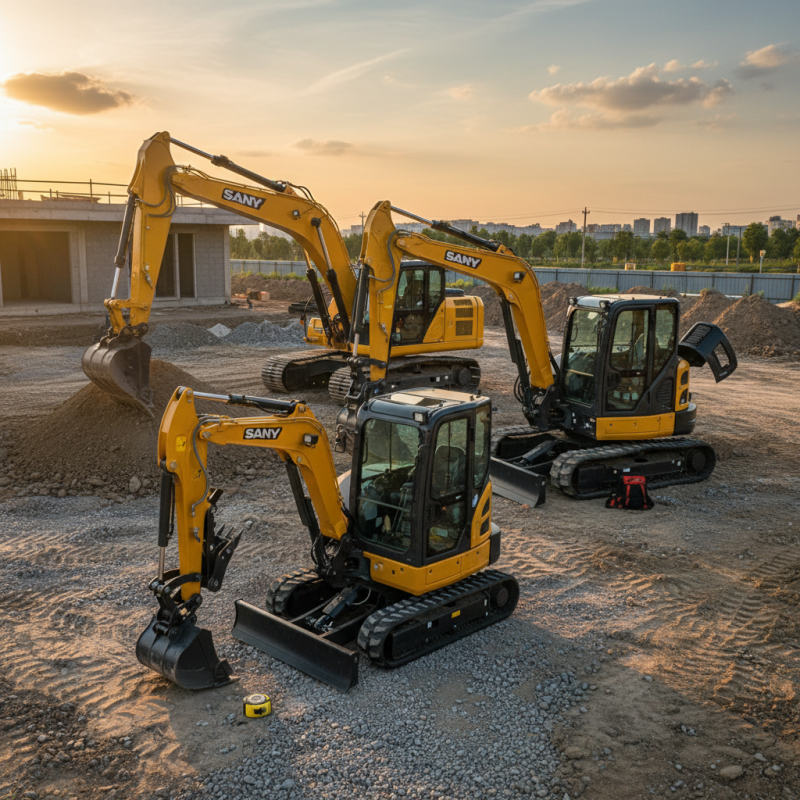
Choosing the best Sany Mini Excavator requires careful consideration. With various models available, it’s essential to match your needs with the right features. Each Sany Mini Excavator offers unique specifications that cater to different job requirements. Understanding these details is crucial.
Evaluating your specific projects can help narrow down choices. Think about terrain and size constraints. A larger machine might not fit in tight spaces. This limitation raises questions. Will you sacrifice power for mobility?
Additionally, factors like maintenance and fuel efficiency are vital. Some models may consume more fuel, leading to higher operational costs. Researching regular maintenance needs can also prepare you for ownership. An informed choice can save time and effort later.
Understanding Your Excavation Requirements and Project Scope
Understanding your excavation needs is critical before selecting a mini excavator. Begin by analyzing the type of projects you plan to undertake. Are you working on tight residential sites or expansive landscape projects? Your environment will dictate the size and capabilities you need. Compact models excel in limited spaces, while more robust options handle larger tasks efficiently.
Next, consider the scope of your projects. Will you require extended digging capabilities or advanced attachments for versatility? Heavy-duty tasks, such as trenching or demolition, often necessitate a machine with higher lifting power and optimal digging depth. Reflect on your past projects. Were there limitations in performance? Adjust your criteria based on these experiences to prevent future inefficiencies.
Lastly, think about ease of transportation and maneuverability. If you're moving between locations, a lightweight mini excavator might be best. However, it is essential to balance weight with power. Sometimes, opting for a slightly heavier model may yield better performance. A thorough understanding of your requirements ensures that your final choice meets your expectations. It’s a process that demands careful reflection and adjustment.
Key Features to Consider in Sany Mini Excavators
When selecting a mini excavator, key features play a vital role. One important aspect is the machine's weight and dimensions. Lighter models are easier to transport but may sacrifice stability. Heavier machines can handle tougher tasks but might be harder to navigate in tight spaces. Assess your typical job site to find the right balance.
Another crucial feature is the hydraulic system. A powerful hydraulic system enhances performance and efficiency. Look for models that offer quick-response hydraulics. This makes tasks like digging and lifting faster and smoother. Additionally, consider the digging depth and reach. These specifications determine how much material you can excavate in one go.
Comfort and visibility also matter. An ergonomic cabin design can improve operator efficiency. Good visibility helps prevent accidents on the job site. Not all models provide excellent visibility, so take the time to evaluate. In the end, reflect on how each feature aligns with your specific needs and working conditions.
Comparing Different Sany Mini Excavator Models
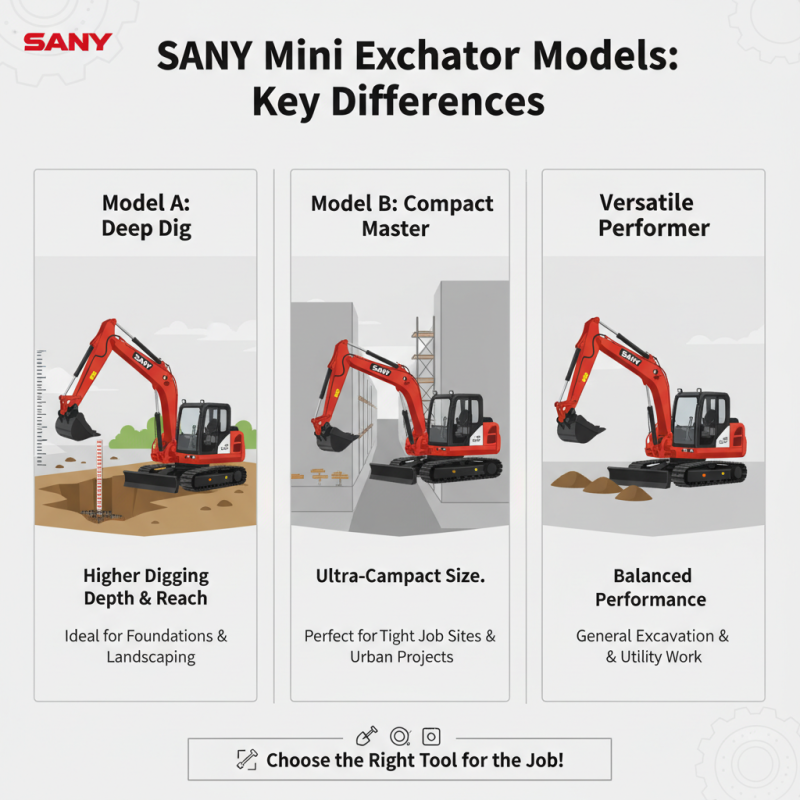
When selecting a Sany mini excavator, various models offer unique features. Understanding these differences is crucial. For instance, some models have higher reach and digging depth. This is ideal for deeper foundations and landscaping tasks. Others may focus on compact size, perfect for tighter job sites.
Additionally, the weight and hydraulic power vary significantly among models. Heavier excavators can handle tougher materials but may be less maneuverable. Conversely, lighter machines are easier to transport but might struggle with heavy-duty applications. It's important to assess the specific requirements of your projects.
Another aspect to consider is the fuel efficiency of each model. Some excavators consume less fuel while delivering similar performance levels. This affects long-term operational costs. Investigating user reviews and expert assessments can provide insights. This information offers a clearer picture of each model's reliability and performance in real-world situations. Evaluating your needs versus each model's strengths and weaknesses can lead to a more informed choice.
Budgeting: How Much Should You Invest in a Mini Excavator?
When budgeting for a mini excavator, you should carefully evaluate your financial situation. Consider how often you will use the machine. If you plan to use it frequently, investing in a higher-end model may be wise. Alternatively, for occasional tasks, a less expensive option might suffice.
It's crucial to account for additional costs beyond the initial purchase. Maintenance, insurance, and fuel can add up quickly. A reliable mini excavator helps avoid costly repairs, but regular check-ups are imperative. Some models may offer warranties, which can provide extra peace of mind.
Don’t overlook potential financing options. Leasing a mini excavator can reduce upfront costs. This approach may suit startups and small businesses. However, read the fine print carefully. Understanding your long-term needs is crucial. Reflect on how your choice aligns with your budget and operational goals. Investing wisely now can lead to better productivity later.
How to Choose the Best Sany Mini Excavator for Your Needs? - Budgeting: How Much Should You Invest in a Mini Excavator?
| Excavator Model |
Operating Weight (lbs) |
Horsepower (HP) |
Max Dig Depth (ft) |
Budget Range ($) |
| Model A |
5,500 |
50 |
10 |
$30,000 - $35,000 |
| Model B |
7,000 |
60 |
11 |
$40,000 - $45,000 |
| Model C |
8,200 |
70 |
12 |
$50,000 - $55,000 |
| Model D |
9,000 |
80 |
13 |
$55,000 - $60,000 |
Sourcing and After-Sales Support for Sany Mini Excavators
When selecting a mini excavator, sourcing and after-sales support play crucial roles. Many users overlook this aspect. A significant number of buyers report issues with inadequate support after their purchase. According to a recent industry survey, 48% of mini excavator owners experienced service delays. This can be frustrating and costly for operators.
Choosing a supplier that prioritizes after-sales service is vital. Comprehensive support includes maintenance, parts availability, and operator training. Research indicates that 65% of successful construction projects depend on efficient machinery maintenance. A well-supported machine ensures uptime and longevity, which is essential for maximizing productivity.
Additionally, consider the ease of sourcing spare parts. Local availability can minimize downtime significantly. A case study showed that companies with reliable part suppliers reported a 30% reduction in service delays. It's evident that robust sourcing strategies enhance overall operational efficiency. Take time to assess these factors before making a decision.
Comparison of Mini Excavator Features

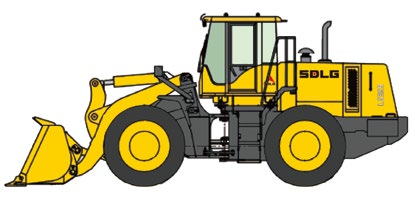 Wheel Loader
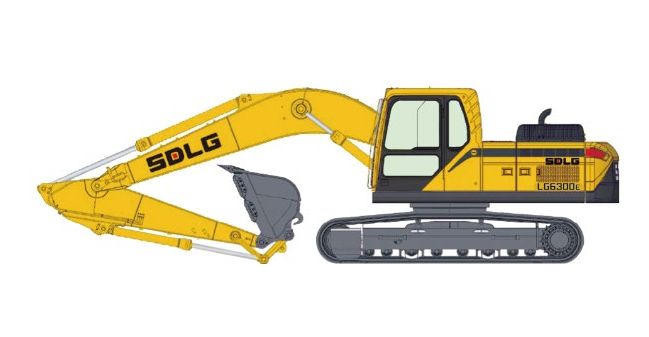 Excavator
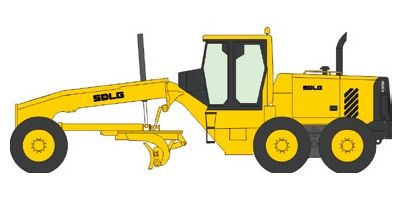 Motor Grader
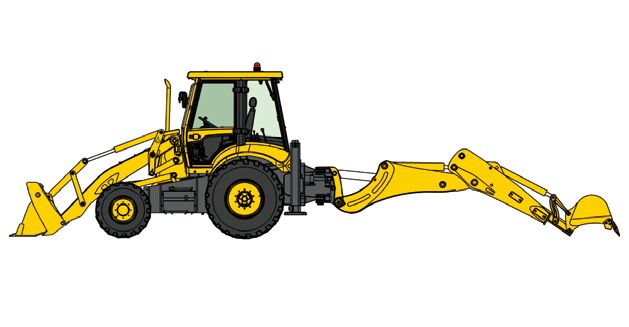 Backhoe Loader
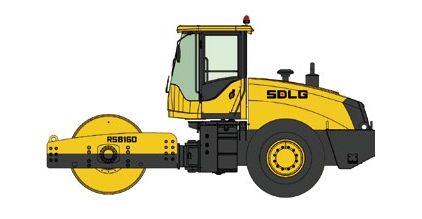 Road Roller
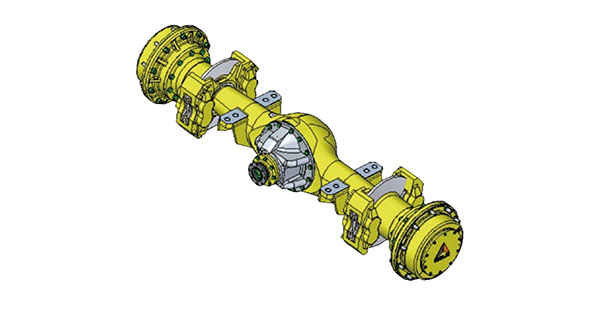 Spare Parts