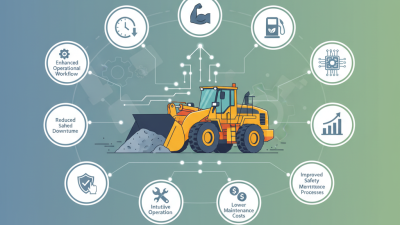
How to Choose the Right Heavy Equipment for Your Project?
Choosing the right heavy equipment for a project is crucial for its success. The global construction machinery market is projected to reach nearly $300 billion by 2025, according to a report by Industry Research. Heavy equipment plays a significant role in this growth. It affects timelines, budgets, and overall project efficiency. A misstep in selection can lead to delays and increased costs.
When selecting heavy equipment, consider the specific needs of your project. Equipment should match the scale and type of work being performed. For instance, excavators are ideal for digging, while bulldozers excel in grading and moving material. Each machine has its own capabilities and limitations. Relying solely on brand reputation can lead to costly mistakes.
Data from the Equipment Leasing and Finance Foundation indicates that 54% of construction projects exceed their budgets. This highlights the importance of making informed choices. Selecting the right heavy equipment is not just about availability; it’s about understanding your project’s demands. Reflection on past project experiences can guide better decision-making in the future.
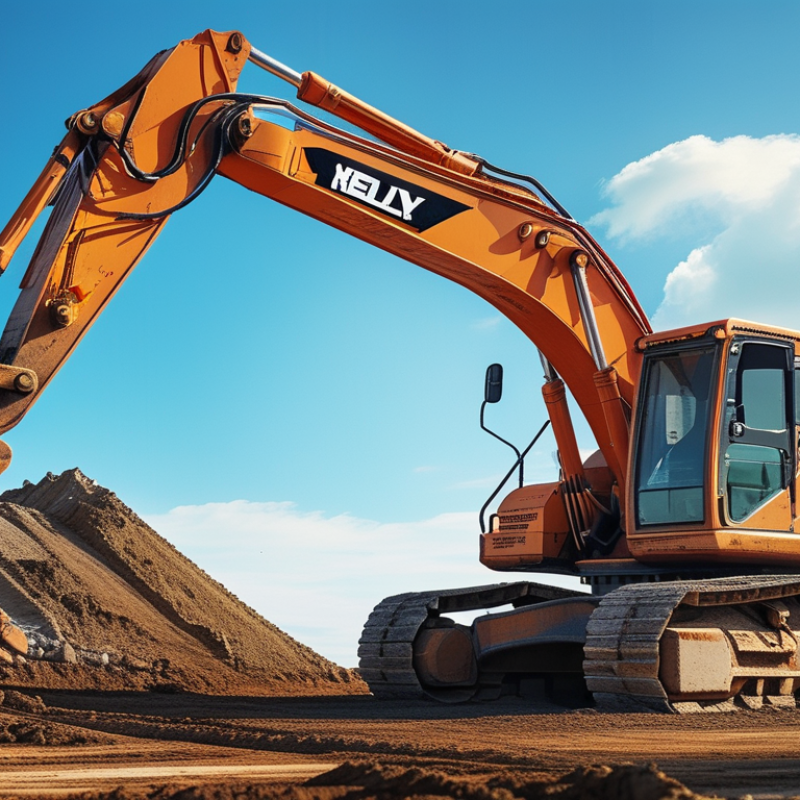
Understanding Project Requirements: Assessing Scope and Specifications
When planning a project, understanding the requirements is crucial.
Analyzing the project scope helps in identifying the necessary equipment.
Consider the types of tasks involved. Is it heavy excavation or
material lifting? Each task demands specific machinery.
Look closely at the specifications. What are the weight limits? How deep do you need to dig?
These factors influence your equipment choice.
Documenting these details can prevent costly mistakes later.
Consider the site conditions too. Uneven terrain affects stability and equipment performance.
Keep in mind that no solution is perfect. You may face unexpected challenges on-site.
Equipment breakdowns or delays can happen.
Reflecting on past experiences can guide better choices next time.
Always be open to reassessing your needs as the project evolves.
Make informed decisions to ensure successful execution.
Evaluating Soil and Terrain Conditions for Equipment Suitability
Evaluating soil and terrain conditions is crucial for selecting the right heavy equipment. Soil type affects stability. Sandy soils may require different machinery than clay. Loose soil can lead to sinking or instability. Compacting the soil can help, but it may need specialized equipment.
Understanding the terrain is equally important. Steep slopes demand machines with strong traction. Flat surfaces support various options. Conduct a thorough site assessment before making decisions. Identify potential obstacles like rocks or trees. This helps in choosing equipment that can navigate the challenges effectively.
Reflecting on these aspects can prevent costly mistakes. Choosing the wrong equipment affects project timelines. It might also lead to safety issues. Take the time to assess both soil and terrain conditions closely. This evaluation will guide you toward suitable equipment, ensuring project success.
Comparing Equipment Types: Excavators, Bulldozers, and Cranes Overview
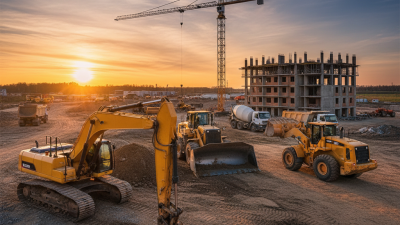
When embarking on a construction project, choosing the right heavy equipment can significantly impact efficiency and success. Let’s look at
excavators, bulldozers, and cranes. Each serves a distinct purpose and has unique strengths, making them vital to various tasks.
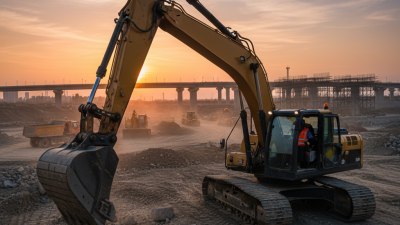
Excavators are ideal for digging and heavy lifting. Their flexible arms can reach deep into the ground for foundation work. However, they might not work well in confined spaces. That’s a key consideration.
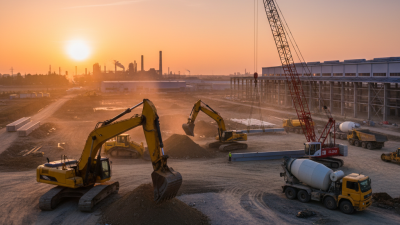
Bulldozers excel at moving large amounts of earth quickly. Their blade is perfect for grading and pushing materials. Yet, they can be cumbersome on tight sites.
Cranes are necessary for lifting heavy materials high and across distances. They are essential for constructing multi-story buildings. However, crane setup can be time-consuming. This can lead to project delays if not accounted for. Each type has its pros and cons, and reflection on your specific needs is crucial. That will guide you to make a more informed choice for your project.
Analyzing Cost-Effectiveness: Prices, Rentals, and Long-term Investment
When analyzing cost-effectiveness for heavy equipment, consider multiple factors. Pricing can vary significantly based on equipment type and project requirements. Renting equipment often offers short-term savings. For smaller projects, renting may be the best choice. This approach helps avoid high upfront costs and maintenance expenses.
Long-term investments merit deeper analysis. Buying heavy equipment can be economical for ongoing projects. It allows for better control of availability and quality. However, consider repair costs and potential depreciation. Equipment may become outdated quickly, necessitating future investments.
Evaluating total cost of ownership is crucial. Hidden costs, such as transportation and storage, can escalate quickly. Ensure all factors are accounted for in your budget. Reflecting on your equipment needs now can prevent future overspending. Making informed decisions about rentals or purchases ensures your project's financial health.
Reviewing Safety Standards and Compliance in Heavy Equipment Selection
Choosing the right heavy equipment involves rigorous safety standards and compliance checks. According to the Occupational Safety and Health Administration (OSHA), improper equipment selection is a leading cause of construction-related fatalities. Ensuring that equipment meets safety regulations can significantly lower accident rates on job sites.
One important factor is operator certification. Equipment operators must be trained and certified to perform their tasks safely. The National Commission for the Certification of Crane Operators reports that certified operators reduce accident rates by 20% compared to non-certified operators. This highlights the critical need for proper training in maximizing safety.
Evaluating the equipment’s safety features is equally essential. Look for options with fail-safes, alarms, and visibility enhancements. A recent report by the International Society of Automation states that advanced safety features can decrease incidents by up to 30%. However, even with all precautions, human error remains a risk. Regular safety audits are vital, but implementing a culture of safety among employees often gets overlooked. Regular meetings to discuss safety practices can be a simple yet effective way to address this gap.

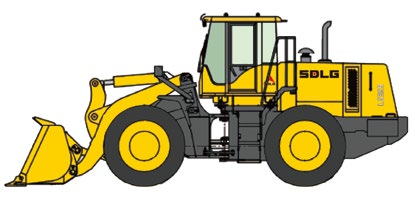 Wheel Loader
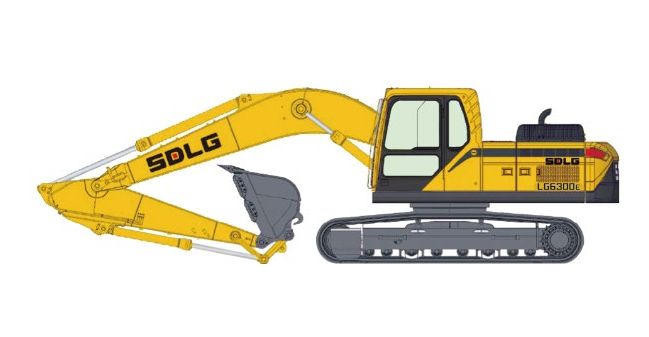 Excavator
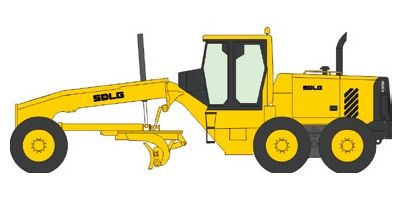 Motor Grader
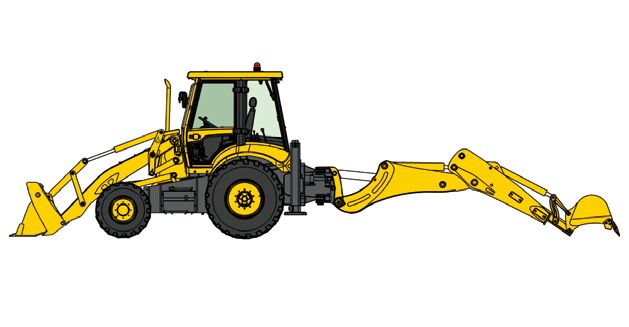 Backhoe Loader
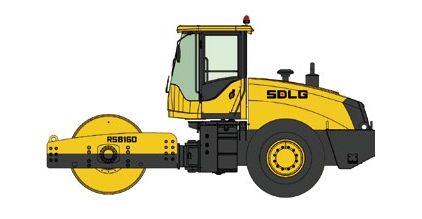 Road Roller
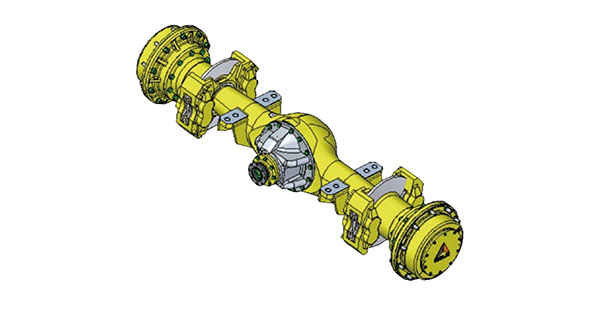 Spare Parts