How to Choose the Right Heavy Machinery for Your Business?
Choosing the right heavy machinery is crucial for any business involved in construction or manufacturing. According to the Association of Equipment Manufacturers (AEM), the heavy machinery industry is projected to grow by 4% annually over the next five years. This growth emphasizes the importance of making informed choices. Industry expert John Smith, a noted heavy machinery consultant, states, “Selecting the right equipment can significantly impact your project’s efficiency and cost-effectiveness.”
Investing in heavy machinery is a sizable financial commitment. In 2022, the average cost of a new excavator was around $100,000. Yet, factors like operational cost and maintenance play a crucial role in determining the real value. It's not just about buying equipment; it’s about understanding how it integrates into your operations. Many businesses find themselves with machinery that does not meet their specific needs, leading to inefficiencies.
The right machinery can improve productivity and safety. However, businesses often overlook the long-term implications of their choices. The heavy machinery sector is complex, and the landscape is evolving rapidly. Today’s options might not suit tomorrow’s requirements. Therefore, a thoughtful, thorough evaluation process is essential for ensuring sustainable growth.
Understanding the Types of Heavy Machinery for Various Industries
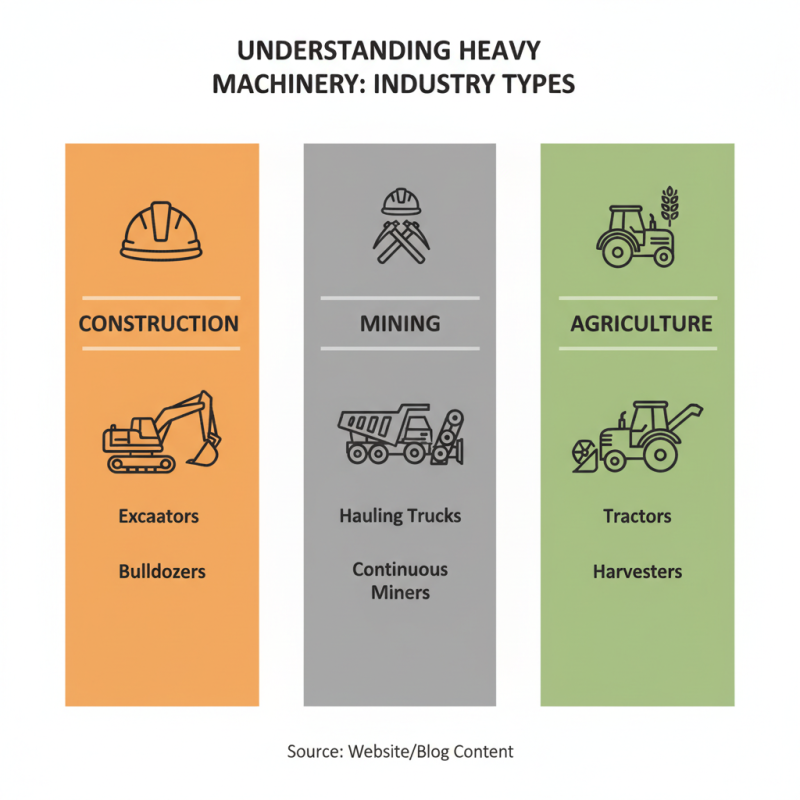
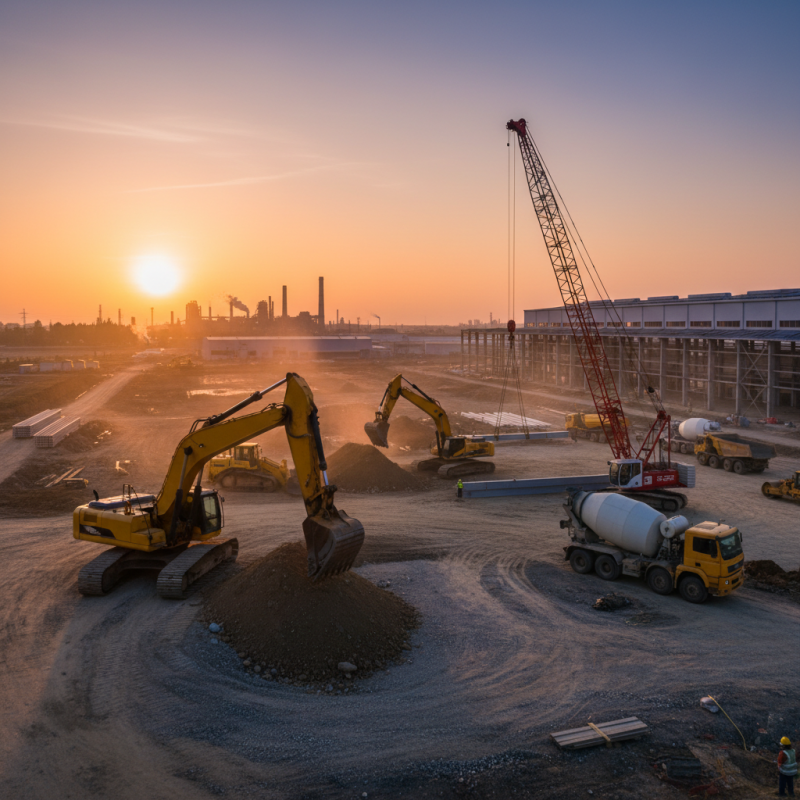
Choosing the right heavy machinery requires understanding the unique needs of your industry. Construction, mining, and agriculture each demand specific types of equipment. For construction, excavators and bulldozers are essential. In mining, you’ll need hauling trucks and continuous miners. Agriculture relies on tractors and harvesters for efficiency.
Tips for selecting machinery include assessing project scale. Larger projects often need advanced machinery for efficiency. Consider terrain as well. For rugged landscapes, robust equipment is necessary. Maintenance should also weigh in your decision. Older machinery may offer cost savings but could increase downtime.
Evaluate your workforce's experience with different machinery types. Invest in training if necessary. Familiarity can significantly enhance productivity. Research your industry’s trends. New technologies may present options you haven’t considered. The right choice can lead to improved efficiency and cost savings in the long run.
Evaluating Equipment Specifications and Performance Metrics
Choosing the right heavy machinery for your business requires careful evaluation of equipment specifications and performance metrics. The specifications should align with your project's needs. Focus on power, weight capacity, and fuel efficiency. These factors greatly influence your machinery's effectiveness on the job site.
Assessing performance metrics is equally vital. Look for productivity rates, operational speed, and maintenance schedules. These metrics help you determine the machinery's long-term value. Ask relevant questions to ensure you fully understand each piece's capabilities and limitations. Don't let flashy features distract you from fundamental performance indicators.
Tips: Don't rush your decision. Take time to compare multiple machines. Gather feedback from industry peers. Their experiences can guide you to better choices. Always ask for demo opportunities. Testing the machinery can uncover potential issues you might miss in specifications alone. A thorough review of machinery will lead to a reliable selection that enhances your operational efficiency.
How to Choose the Right Heavy Machinery for Your Business?
| Type of Machinery |
Horsepower |
Operating Weight (lbs) |
Load Capacity (lbs) |
Fuel Efficiency (gallons/hour) |
Average Cost ($) |
| Excavator |
150 |
30,000 |
10,000 |
2.5 |
80,000 |
| Bulldozer |
200 |
40,000 |
12,000 |
3.0 |
100,000 |
| Loader |
180 |
25,000 |
8,000 |
2.0 |
90,000 |
| Backhoe |
110 |
15,000 |
5,000 |
1.5 |
50,000 |
| Crane |
250 |
60,000 |
20,000 |
4.0 |
150,000 |
Assessing the Total Cost of Ownership for Heavy Machinery
When selecting heavy machinery for your business, assessing the total cost of ownership (TCO) is crucial. TCO encompasses purchase price, maintenance, fuel consumption, and depreciation. A lower initial cost may lead to higher long-term expenses. Regular maintenance can be overlooked, creating unexpected costs.
Fuel efficiency plays a significant role. Machinery that consumes less fuel might cost more upfront but can save money over time. Consider the environmental impact as well. Equipment with higher emissions may incur additional fines or taxes.
Evaluate financing options and insurance. Some machinery may require more comprehensive coverage. Moreover, unexpected repairs can arise. Calculating these potential costs provides a clearer picture of the financial commitment involved. Look beyond brand names. Focus on performance metrics and reliability. This approach helps ensure that you make a well-rounded decision.
Considering Regulatory Compliance and Safety Standards in Equipment选择
When selecting heavy machinery for your business, regulatory compliance and safety standards are crucial. Each piece of equipment must meet safety regulations. This protects workers and reduces liability risks. Understanding local laws is essential. Failing to comply can lead to hefty fines and increased scrutiny from authorities.
Keep in mind that safety features vary significantly. Some machines offer advanced safety options, like automatic shutdown systems. Evaluate available options thoroughly. Consulting with safety experts can provide valuable insights. However, relying solely on their recommendations may not cover all your business needs. Every operation is unique, and what works for one may not work for another.
Regular maintenance is often overlooked but is vital for compliance and safety. A breakdown can halt operations and expose workers to risk. Create a maintenance schedule for each piece of equipment. Recording compliance checks and safety measures is advisable. Yet, so many businesses neglect this documentation, leading to potential lapses in safety protocols. It's essential to reflect on these aspects continuously to ensure ongoing compliance and worker safety.
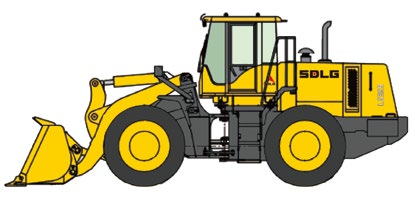 Wheel Loader
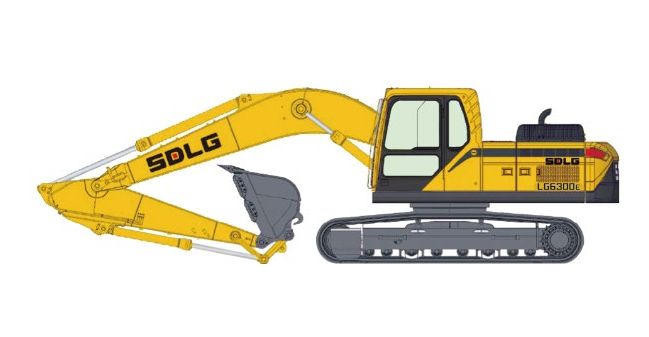 Excavator
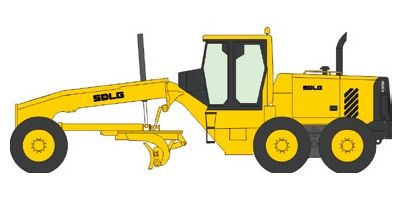 Motor Grader
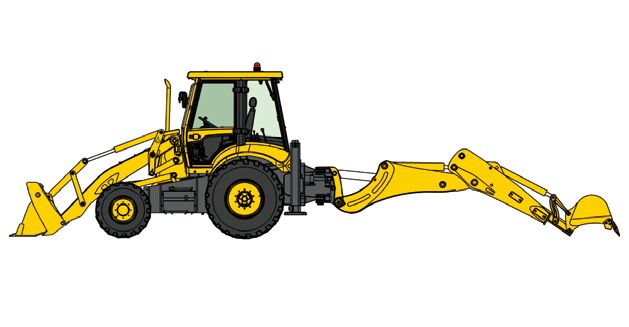 Backhoe Loader
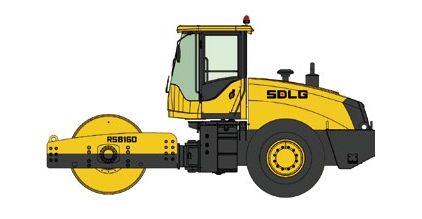 Road Roller
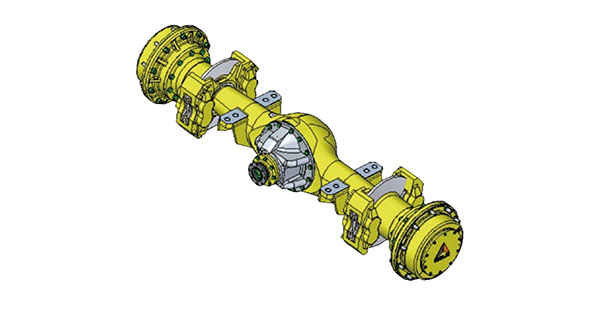 Spare Parts