How to Choose the Right Sany Equipment for Your Construction Needs?
Choosing the right Sany Equipment for your construction needs can significantly impact project outcomes. According to a recent industry report, construction machinery accounts for nearly 60% of project costs. Selecting the right equipment can enhance efficiency and productivity, leading to reduced expenses in the long term.
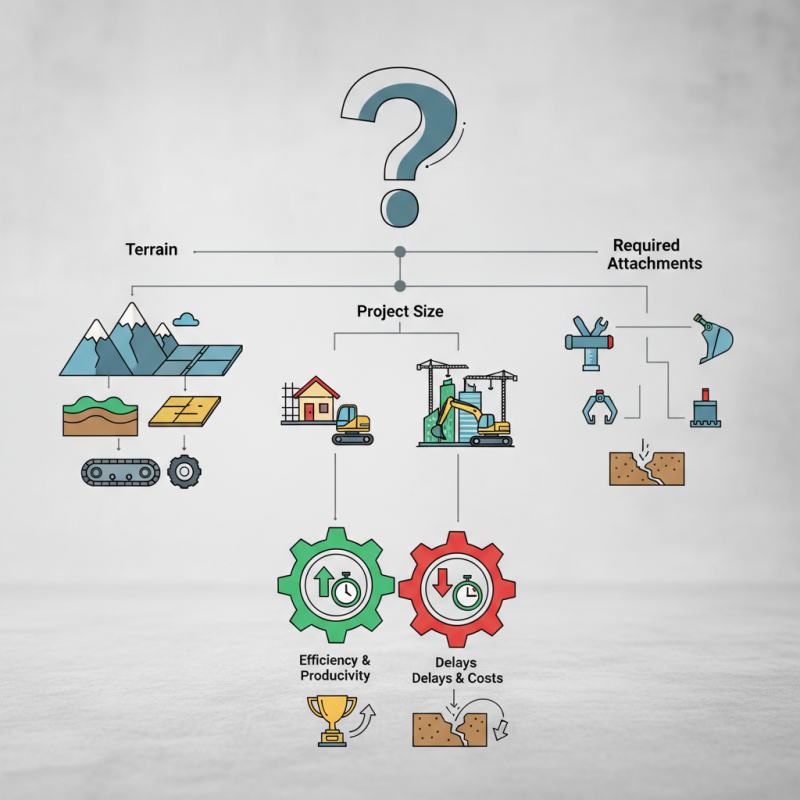
Sany Equipment offers a diverse range of machinery tailored for various construction tasks. For example, their excavators and concrete machinery are well-regarded for their performance. However, not every model is ideal for every project. Many users overlook factors such as terrain, project size, and required attachments, which can lead to suboptimal choices. A misstep here can result in delays and increased expenditures.
It's vital to conduct thorough research. Evaluate your specific needs before making a decision. An informed choice can elevate your work's quality and output. Don't rush this crucial step. Consider consulting with industry experts to gain insights into the latest trends and technologies. Choosing the wrong equipment can hinder progress, ultimately affecting your project's success.
Understanding the Types of Sany Equipment Available for Construction
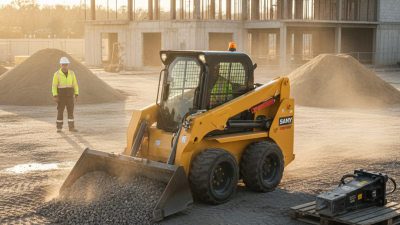
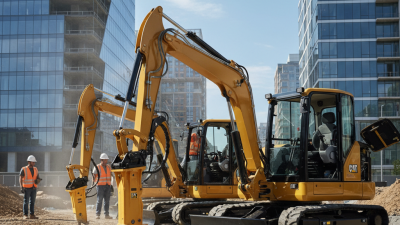
When selecting equipment for construction, understanding the various types of machinery available is crucial. Each piece plays a distinct role in project efficiency. For instance, excavators are ideal for digging and earth-moving tasks. Their versatility allows them to handle different job site demands, from foundation work to landscaping.
Do not overlook the importance of compactors and rollers. They ensure the ground is stable for construction. A well-prepared site reduces future complications. Remember, using the right machinery can save time and money.
Tip: Assess your site size and project requirements before making a purchase. It’s easy to get swayed by flashy machinery. However, functional, essential tools may be a better investment. Exploring options can lead to better choices.
Consider loaders as well. They help move materials efficiently. A good loader can streamline operations. Be wary of overcomplicating your equipment selection. Simplicity often leads to speed and productivity. Always reflect on previous projects to identify what worked best.
How to Choose the Right Sany Equipment for Your Construction Needs?
| Equipment Type |
Description |
Typical Use |
Key Features |
| Excavator |
A large machine used for digging and moving earth. |
Site preparation, trenching, and lifting |
Hydraulic power, various attachments available |
| Bulldozer |
A powerful machine with a broad blade for pushing large amounts of soil or debris. |
Land clearing, grading, and road construction |
Track-driven for stability, various blade types |
| Loader |
A versatile machine for loading materials onto trucks or into bins. |
Material handling, loading, and excavation |
Articulated steering, various bucket sizes |
| Crane |
A machine for lifting heavy loads vertically and horizontally. |
Construction, shipping, and heavy lifting |
Variable height, rotating capabilities |
| Concrete Mixer |
A machine that mixes concrete for construction purposes. |
Pouring concrete for foundations, slabs, and structures |
Drum capacity, mixing speed control |
Assessing Your Project Requirements and Equipment Specifications
Choosing the right equipment for a construction project can be daunting. Start by assessing your project's requirements. What type of work are you doing? Is it excavation, lifting, or material handling? Understanding the specifics is crucial. For example, if you’re working on a tight urban site, compact equipment might be necessary.
Next, consider the specifications of the equipment. Look at the weight capacity, reach, and fuel efficiency. These details affect not just performance but also safety and cost. A machine that seems perfect might not fit in the budget or site constraints. Always question if the power and size are truly needed for your project. A large machine can be inefficient on a small site, leading to wasted resources.
It’s also helpful to seek feedback from your team. They can offer insights based on prior experiences. They might highlight issues you hadn’t considered. Striking a balance between capability and practicality is key. Don't forget to think ahead about maintenance support and spare parts availability. Evaluating these factors will lead to more informed decisions without unnecessary risks.
Evaluating Key Features of Sany Equipment for Performance and Efficiency
Choosing the right construction equipment requires a careful evaluation of key features. Performance and efficiency should be your main focus. Start by considering the power output of the machinery. Does it meet your specific project demands? Equipment with higher power ratings often delivers better performance. However, these machines can be heavier and may require more fuel.
Next, assess the versatility of the equipment. Can it handle multiple tasks? Some machines are designed for specific jobs. Choosing a multipurpose machine might save you money and time in the long run. Also, take note of the operating features. User-friendly controls can significantly enhance productivity. If operators struggle with complex systems, this can lead to inefficiencies.
It’s also beneficial to look into the durability of materials used. High-quality, robust components may last longer, reducing repair needs. However, consider if the initial investment is feasible for your budget. Cheaper equipment might seem attractive but could lead to higher costs over time. Reflect on previous experiences with machinery to help inform your decision. Balancing performance and cost is essential.
Considering Budget and Financing Options for Sany Equipment Purchases
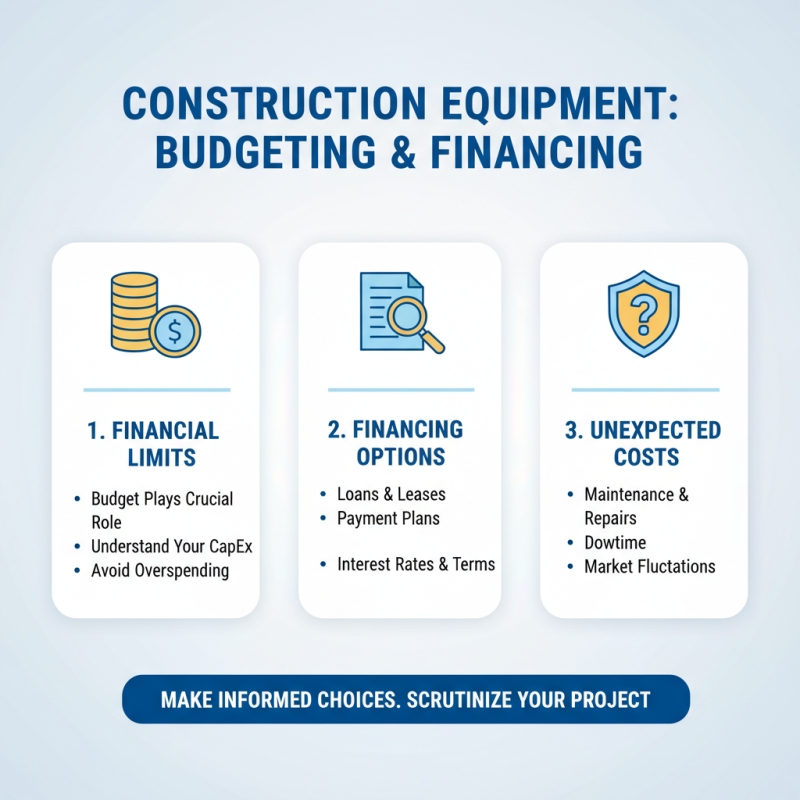
When considering equipment for construction, budget plays a crucial role. Financing options vary widely. Understand your financial limits. This knowledge helps in making informed choices. Scrutinize your project budget. Are you prepared for unexpected costs?
Tips: Look into leasing options. They often require less upfront cash. Leasing can also provide flexibility. Always read the fine print. Additionally, explore loans with favorable terms. Some institutions specialize in equipment financing.
Many buyers overlook total cost of ownership. It's not just about the purchase price. Factor in maintenance costs, fuel consumption, and resale value. These elements can add up quickly. Reflect on how often you will use the equipment. Will it sit idle, or will it be in constant use? This decision impacts your overall budget.
Researching Service and Support Options for Sany Equipment Ownership
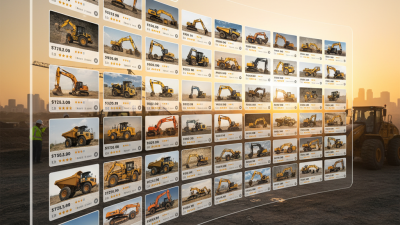
When considering equipment for construction, support is crucial. You want reliable service and maintenance. Research local dealers thoroughly. Read reviews and ask for recommendations. A quick online search can yield valuable insights.
After choosing equipment, focus on warranty options. A strong warranty can save you money in the long run. It's essential to understand what it covers. Some warranties might have limitations that are not clear at first glance.
Training is another significant aspect. How will you train your team? You might find some companies offer free training sessions. However, others may charge for this service. Evaluate these options carefully. A lack of proper training can lead to equipment misuse and costly mistakes.
Construction Equipment Selection: Service and Support Considerations

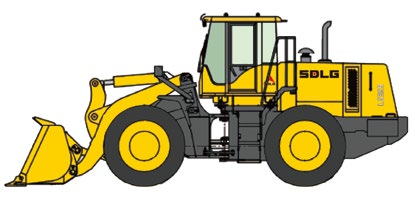 Wheel Loader
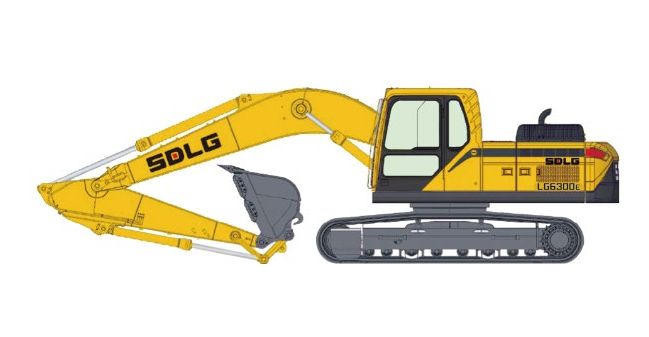 Excavator
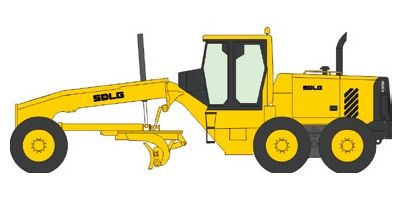 Motor Grader
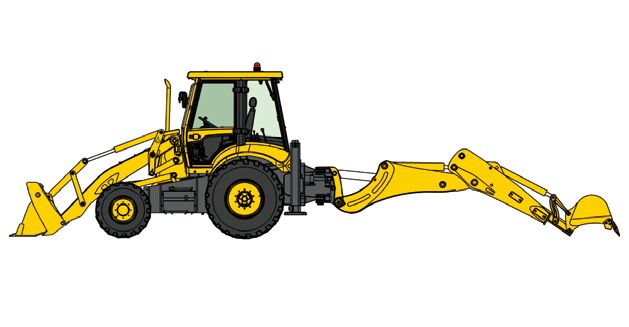 Backhoe Loader
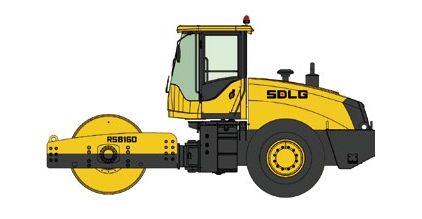 Road Roller
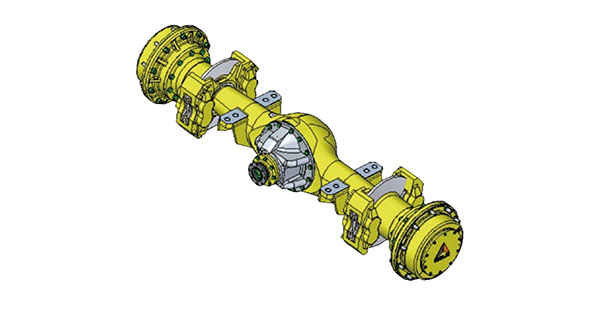 Spare Parts