How to Choose the Right Crawler Crane for Your Project?
Choosing the right crawler crane for your project is crucial. Industry expert John Miller, a veteran in heavy machinery, states, "A crawler crane can make or break your project deadlines." His insight underscores the importance of understanding your specific needs.
When selecting a crawler crane, several factors come into play. Consider the lift capacity, boom length, and mobility. These elements directly impact your project’s success. A mismatched crane can lead to delays and increased costs.
Furthermore, it’s vital to think about the operating conditions. A crawler crane designed for rough terrain may not perform well on a smooth site. Each decision should reflect your project’s unique challenges and goals. Selecting the wrong model can lead to significant repercussions.
Understanding Crawler Cranes: A Comprehensive Overview
Crawler cranes are essential machines for construction projects. They have unique designs that allow them to work in challenging terrains. Understanding their features and capabilities is crucial for making informed decisions. These cranes offer excellent stability and mobility. Their tracked bases distribute weight evenly, helping them navigate soft or uneven ground.
When selecting a crawler crane, consider its lifting capacity. You should estimate the maximum weight you’ll lift. Assess the height requirements as well. Some projects might need cranes that can reach considerable elevations. It’s also beneficial to evaluate the boom length to ensure it meets your project's needs.
Tips: Always factor in site conditions. If the ground is unstable, a crawler crane is ideal. Consult experienced operators for advice. Their insights can be invaluable, particularly in unique project settings. Safety is paramount. Ensure the crane meets all safety regulations and standards. Adjust for weather conditions, which can greatly affect operation effectiveness.
Crawler Crane Load Capacity Comparison
Factors to Consider When Selecting a Crawler Crane
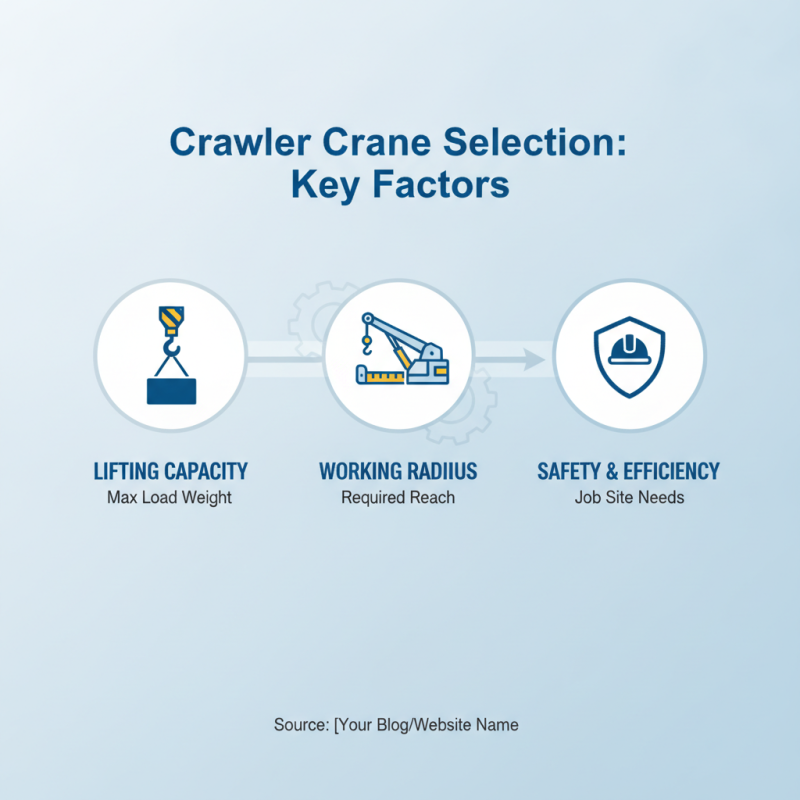
Choosing the right crawler crane for your project involves several important factors. The lifting capacity is crucial. Make sure the crane can handle the maximum load anticipated. This ensures safety and efficiency on the job site. Additionally, consider the working radius. Some projects require long reaches. The crane must accommodate these needs effectively.
Terrain plays a significant role in your selection. Soft or uneven ground may necessitate larger tracks for stability. Conversely, a compact crane may be ideal for tight spaces. Always assess the job site's environment.
**Tips:** Before making a decision, consult with experienced operators. Their insights can reveal potential challenges. Additionally, review the crane's maintenance history. A crane with a solid record is often more reliable. Budget is essential too, but don't sacrifice quality for initial savings. Invest wisely for long-term benefits. It's worth reflecting on past experiences to avoid repeating mistakes.
Evaluating Load Capacity Requirements for Your Project
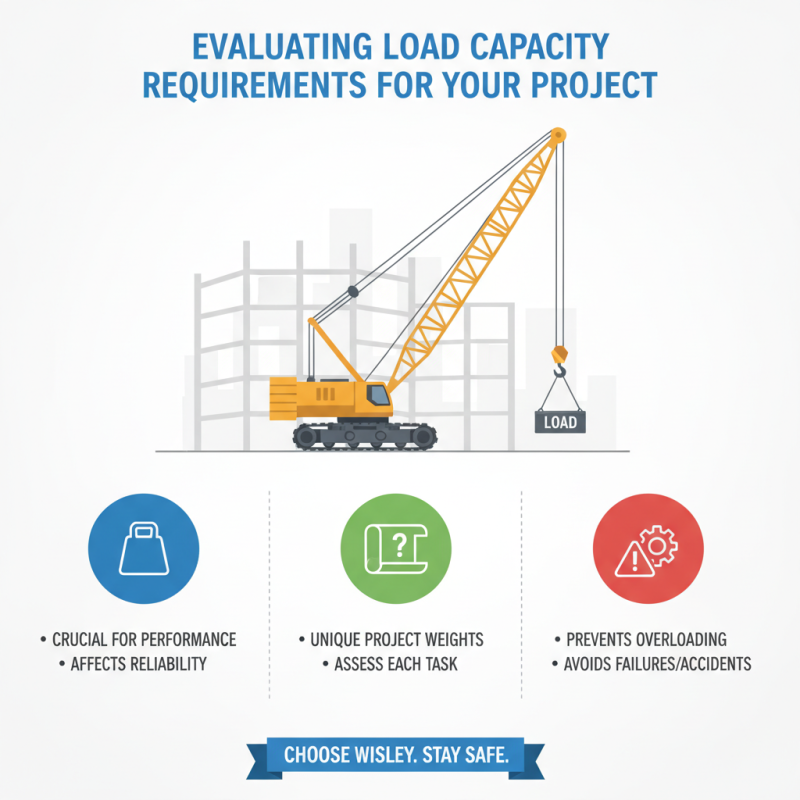
When choosing a crawler crane, evaluating load capacity is crucial. The load capacity affects the crane's performance and reliability on-site. Each project has unique weight requirements. A thorough assessment helps prevent overloading, which can lead to equipment failure or accidents.
Understanding the specific materials you'll lift is essential. Consider the weight of beams, concrete, or machinery. It's wise to factor in dynamic loads, such as wind or shifting materials. Use accurate weight measurements to inform your decision. Many projects underestimate load capacity. This can lead to costly delays and safety risks.
Consult with experts or reference guidelines. Using comprehensive load charts can clarify your choices. Analyze the terrain and worksite conditions. This influences the crane’s stability and operational limits. Balance is vital to prevent tipping. Engaging in thorough evaluations can highlight potential pitfalls. Reflecting on any past issues will strengthen your planning process. Choose wisely for a safer, more efficient project outcome.
Assessing Terrain and Mobility Needs for Crawler Cranes
When selecting a crawler crane, assessing terrain and mobility needs is crucial. Crawler cranes excel on soft ground, but their effectiveness varies by site conditions. According to industry reports, about 40% of projects face delays due to inadequate terrain assessment. Knowing the type of soil and the gradients involved can help in making the right choice.
**Tip:** Always consult geotechnical data. Soil composition affects crane stability. Soft soil may require a crane with larger tracks to distribute weight and prevent sinking.
Mobility is another essential factor. Crawler cranes are known for their ability to traverse uneven surfaces. However, tight spaces may pose challenges. Reports indicate that 30% of crane mishaps occur due to mobility issues in congested job sites. Evaluating the workspace dimensions helps avoid these pitfalls.
**Tip:** Measure your workspace before a final decision on crane type. Higher reach doesn’t always mean better. Sometimes, a compact model works well in limited areas.
Reviewing Safety Standards and Regulations for Crawler Cranes
When selecting a crawler crane, safety standards are paramount. Various regulations govern crane operations, ensuring worker safety and preventing accidents. According to the U.S. Occupational Safety and Health Administration (OSHA), nearly 50% of crane accidents occur due to improper use. Adhering to safety protocols can significantly reduce these incidents.
Understanding load charts is essential for safe crane operation. These charts indicate the weight capacity at various boom lengths and angles. Inadequate comprehension of these specifications can lead to catastrophic failures. A report by the National Institute for Occupational Safety and Health (NIOSH) states that 83% of crane accidents could be avoided with proper training and adherence to load capacity. Training programs must include detailed instructions on interpreting these charts.
Moreover, environmental conditions interact with safety protocols. For instance, wind speeds exceeding 20 mph can compromise crane stability. Many projects overlook this factor, leading to dangerous situations. Regular equipment inspections are crucial in maintaining safety compliance. Data from the Crane Industry Council shows that 30% of cranes did not pass safety checks due to overlooked inspections. This emphasizes the need for continual evaluation within the operation process.
How to Choose the Right Crawler Crane for Your Project? - Reviewing Safety Standards and Regulations for Crawler Cranes
| Feature |
Specification |
Safety Standard |
Regulation Authority |
Notes |
| Max Lifting Capacity |
200 tons |
ANSI B30.5 |
Occupational Safety and Health Administration (OSHA) |
Suitable for heavy-duty construction |
| Boom Length |
50 meters |
ISO 4301 |
International Organization for Standardization |
Extends reach for high-rise projects |
| Operating Weight |
100 tons |
ASME B30.3 |
American Society of Mechanical Engineers |
Consider stability during operation |
| Travel Speed |
1 km/h |
IEC 60034 |
International Electrotechnical Commission |
Important for site maneuverability |
| Stability Rating |
4.0 (on a scale of 5) |
EN 13000 |
European Committee for Standardization |
Ensures safety during operations |

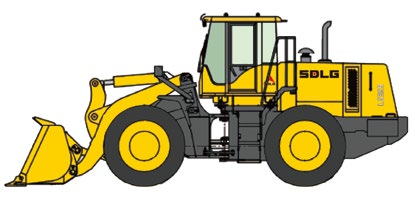 Wheel Loader
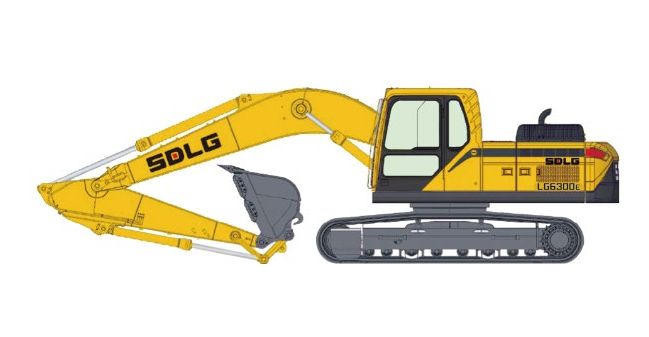 Excavator
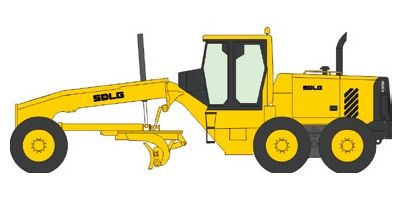 Motor Grader
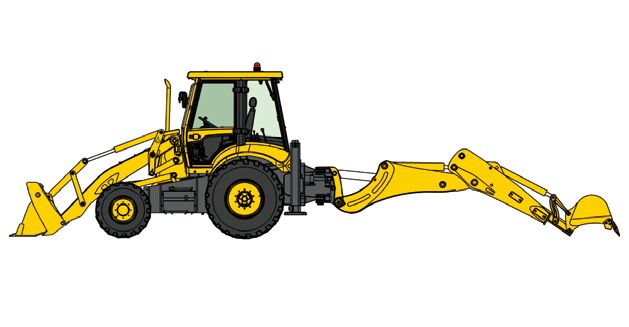 Backhoe Loader
 Road Roller
 Spare Parts