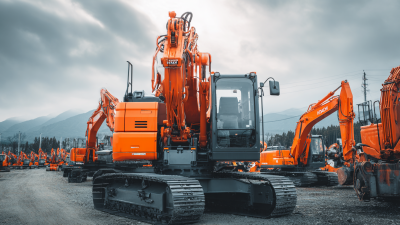
10 Essential Tips for Heavy Equipment Operators to Boost Efficiency and Safety
In the demanding field of construction and heavy machinery operation, the role of a Heavy Equipment Operator is pivotal for ensuring both efficiency and safety on job sites. As these skilled professionals navigate complex scenarios and handle powerful machinery, implementing best practices becomes essential. Enhancing productivity while minimizing risks not only benefits operators but also the overall success of projects.

This article presents ten essential tips designed specifically for Heavy Equipment Operators looking to boost their operational performance. From understanding the significance of regular maintenance to adopting technology that streamlines workflows, these strategies will empower operators to take charge of their machines and their safety. By integrating these best practices into daily operations, Heavy Equipment Operators can ensure they are not only efficient but also proactive in creating a safer working environment for themselves and their colleagues.
10 Strategies for Heavy Equipment Operators to Enhance Operational Efficiency by 30%
 Heavy equipment operators play a crucial role in construction and industrial projects, and enhancing operational efficiency can lead to significant improvements in productivity. One effective strategy to boost efficiency by 30% is through regular equipment maintenance. Ensuring that machinery is in optimal working condition minimizes downtime and reduces the likelihood of unexpected repairs. Operators should establish a routine maintenance schedule that includes inspections, lubrications, and timely replacements to keep equipment running smoothly.
Another powerful tactic is the implementation of technology such as telematics systems. These systems provide real-time data on equipment performance, fuel consumption, and location tracking. By analyzing this data, operators can make informed decisions about resource allocation and workflow management. Furthermore, investing in training programs equips operators with the necessary skills to leverage these technologies effectively. Enhanced knowledge not only leads to improved operational practices but also contributes to a safer working environment, as trained operators can better anticipate and mitigate potential hazards.
5 Key Safety Protocols Every Heavy Equipment Operator Should Follow Daily
Heavy equipment operators play a critical role in the construction and mining industries, where safety and efficiency are paramount. According to the Occupational Safety and Health Administration (OSHA), accidents involving heavy machinery result in thousands of injuries and fatalities each year. To mitigate these risks, there are five key safety protocols that every heavy equipment operator should adhere to daily.
Firstly, conducting a thorough pre-operation inspection of the equipment is essential. This includes checking fluid levels, brakes, and lights, ensuring that all systems are functioning properly. A study from the National Institute for Occupational Safety and Health (NIOSH) emphasizes that regular inspections can reduce accidents by up to 30% when operators are proactive in their maintenance routines. Secondly, wearing the appropriate personal protective equipment (PPE) is non-negotiable. Hard hats, reflective vests, and steel-toed boots should be part of the daily attire to protect operators from unforeseen hazards.
In addition to these safety measures, operators should also engage in continuous training to stay updated on best practices and emerging technologies. A report from the Construction Industry Institute notes that organizations investing in training can enhance operational efficiency significantly—by as much as 21%. By implementing these tips and adhering to strict safety protocols, heavy equipment operators can significantly boost their efficiency while ensuring a safer work environment.

Utilizing Technology: How GPS and Telematics Can Reduce Equipment Downtime by 15%
The integration of technology in heavy equipment operations has transformed the industry by enhancing efficiency and safety. One of the key advancements is the use of GPS and telematics systems, which allow operators to monitor real-time data related to equipment performance, location, and health. By leveraging these technologies, operators can anticipate maintenance needs and reduce equipment downtime by up to 15%. This proactive approach not only minimizes operational delays but also extends the lifespan of the machinery.
Moreover, GPS tracking enhances fleet management by optimizing routing and usage patterns, leading to improved fuel efficiency and reduced wear and tear on equipment. Telemetry data provides insights into operator behavior and equipment utilization, enabling companies to identify areas for improvement and training. As machinery is monitored continuously, any deviations from normal performance can be swiftly addressed, ensuring that operations remain smooth and productive. Embracing these technologies is essential for heavy equipment operators aiming to boost both efficiency and safety in their work environments.
10 Essential Tips for Heavy Equipment Operators to Boost Efficiency and Safety - Utilizing Technology: How GPS and Telematics Can Reduce Equipment Downtime by 15%
| Tip # |
Tip Description |
Technology Utilized |
Impact on Efficiency (%) |
Impact on Safety (%) |
| 1 |
Regular Maintenance Checks |
Telematics |
10 |
20 |
| 2 |
GPS Route Optimization |
GPS |
15 |
5 |
| 3 |
Training Programs for Operators |
Simulation Technology |
12 |
25 |
| 4 |
Remote Monitoring of Equipment |
Telematics |
8 |
15 |
| 5 |
Daily Pre-Operation Checks |
Checklists on Mobile Apps |
6 |
18 |
| 6 |
Performance Analytics Reports |
Telematics |
10 |
10 |
| 7 |
Incident Reporting Tools |
Mobile Applications |
5 |
30 |
| 8 |
Equipment Usage Tracking |
GPS |
9 |
12 |
| 9 |
Emergency Response Protocols |
Telematics |
0 |
35 |
| 10 |
Upgrade Aging Equipment |
Advanced Technology |
20 |
10 |
Understanding Load Management: Increasing Safety and Efficiency through Proper Weight Distribution
Proper weight distribution is vital for heavy equipment operators seeking to enhance both safety and operational efficiency. A well-managed load can significantly reduce the risk of equipment tipping or losing control, particularly when navigating uneven terrain or making sharp turns. Operators must be adept at assessing the weight and distribution of their loads, ensuring that heavier items are placed low and centered to maintain balance. This practice not only stabilizes the equipment but also optimizes its performance, allowing for smoother operations.
Additionally, understanding the equipment’s specifications regarding weight limits and distribution is crucial. Each piece of heavy machinery has unique load capacities that, if exceeded, can lead to catastrophic failures. Operators should regularly review load charts and adhere strictly to these guidelines when loading materials. By implementing systematic checklists before operation, operators can confirm that the load is optimally distributed and securely fastened, ensuring peak efficiency and minimizing the chances of accidents on site. Through diligent load management, operators can create a safer working environment while maximizing productivity.
Load Management: Impact on Safety and Efficiency
Regular Maintenance Schedules: How Adherence Can Extend Equipment Lifespan by up to 25%
Regular maintenance schedules are crucial for heavy equipment operators aiming to boost efficiency and extend the lifespan of their machines. Equipment that undergoes consistent and thorough maintenance is less likely to suffer from unexpected breakdowns, which can lead to costly downtime. By adhering to maintenance schedules, operators can identify potential issues early on, allowing for timely repairs that can save money in both the short and long term.
Studies have shown that regular maintenance can extend the lifespan of heavy equipment by as much as 25%, making it a wise investment for any operator.
In addition, maintaining a proactive maintenance strategy helps ensure that equipment operates at optimal performance. Properly lubricated parts, clean filters, and well-calibrated systems contribute to improved fuel efficiency and overall productivity. Operators who prioritize maintenance not only enhance the safety of their work environment by reducing the risk of equipment-related accidents, but they also foster a culture of responsibility and care within their teams. This approach ultimately leads to better performance, reduced operational costs, and a more sustainable practice in the heavy equipment industry.

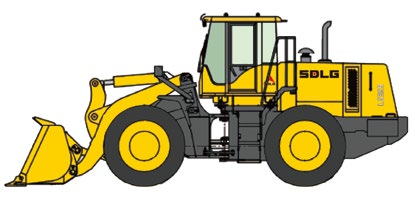 Wheel Loader
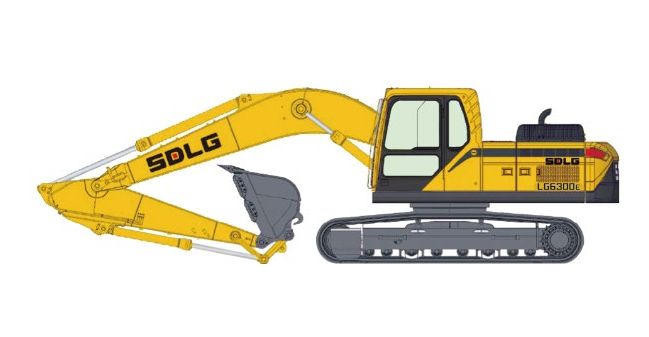 Excavator
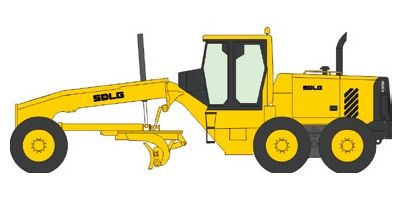 Motor Grader
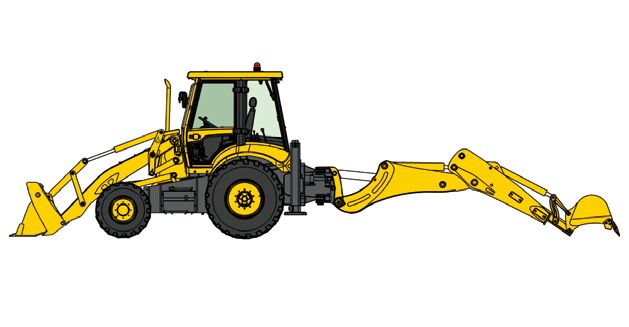 Backhoe Loader
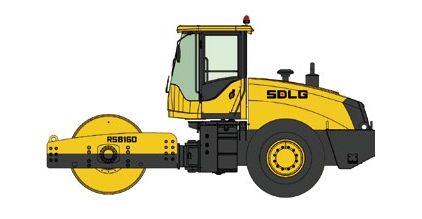 Road Roller
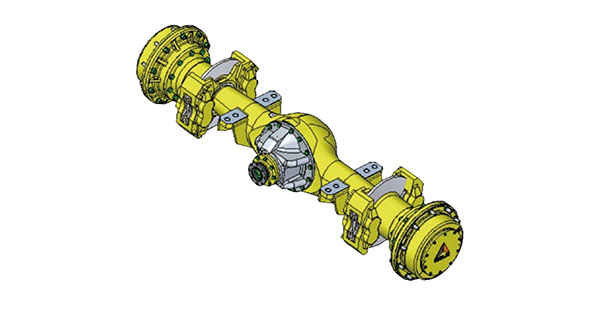 Spare Parts