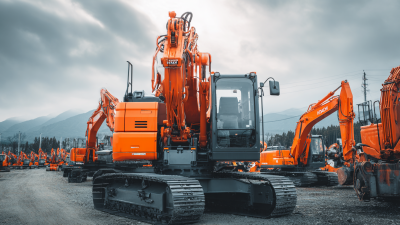
10 Essential Tips for Becoming a Successful Heavy Machine Operator
In the dynamic landscape of construction and heavy equipment operation, the role of a Heavy Machine Operator has never been more critical. According to the U.S. Bureau of Labor Statistics, the employment of heavy equipment operators is projected to grow by 10% from 2020 to 2030, much faster than the average for all occupations. This surge is driven by increased investment in infrastructure and building projects, highlighting the need for skilled operators who can efficiently manage complex machinery.
Industry expert John McCarthy, a leading figure in heavy machinery training and safety, once stated, "The success of any construction project hinges on the proficiency of its operators. A skilled Heavy Machine Operator not only enhances productivity but also ensures safety on site." As we delve into the essential tips for aspiring Heavy Machine Operators, it is imperative to understand that mastering these skills not only contributes to individual success but also helps in meeting the growing demands of the industry.
By focusing on critical competencies and continuous learning, operators can secure their place in an evolving job market poised for expansion.

Understanding the Role and Responsibilities of a Heavy Machine Operator
Heavy machine operators play a critical role in various industries, specializing in the operation of large equipment such as excavators, bulldozers, and cranes. Understanding the intricacies of this role is fundamental for anyone aspiring to become successful in the field. Operators must be adept at reading blueprints and site plans to execute tasks efficiently. They are responsible for conducting equipment inspections, ensuring safety protocols are followed, and maintaining heavy machinery in optimal working condition. This attention to detail not only promotes safety on the job site but also enhances overall productivity.
Additionally, a heavy machine operator must possess strong problem-solving skills to navigate unexpected challenges that arise during operations. These professionals collaborate closely with other workers, often communicating with a team to coordinate efforts on construction or demolition sites. As they maneuver complex machinery, operators must also be aware of their surroundings to prevent accidents. Continuous learning, whether through formal training or on-the-job experience, is vital for mastering the role, allowing operators to stay updated on the latest technologies and industry practices.
Essential Skills and Qualifications for Aspiring Heavy Machine Operators
To become a successful heavy machine operator, certain essential skills and qualifications are paramount. Firstly, aspiring operators should possess a strong understanding of machine mechanics and safety protocols. This foundational knowledge not only enhances operational efficiency but also significantly reduces the risk of accidents on the job site. Familiarity with various types of heavy machinery, such as excavators, bulldozers, and cranes, is also crucial, as it allows operators to adapt quickly to different tasks and equipment.
In addition to technical skills, effective communication and teamwork are vital traits for heavy machine operators. Operators often work alongside other construction professionals, necessitating clear communication to coordinate tasks and ensure safety on site. Furthermore, obtaining the necessary certifications and licenses, often required by local regulations, demonstrates a commitment to professionalism and safety standards. Continuous training and willingness to learn new technologies are also important, as the industry constantly evolves with advancements in machinery and techniques.
Safety Protocols Every Heavy Machine Operator Must Follow
Heavy machine operators play a critical role in various industries, and adhering to safety protocols is paramount for ensuring not only personal safety but also the safety of those on site. According to the Occupational Safety and Health Administration (OSHA), nearly 30% of injuries in construction are associated with heavy machinery operations, highlighting the urgent need for stringent safety measures. Operators must be trained in the proper handling of equipment and must always wear essential personal protective equipment (PPE) such as helmets, gloves, and safety glasses. Regular safety briefings and drills can significantly reduce the likelihood of accidents, reinforcing a culture of safety.
In addition to personal safety, operators are responsible for the safety of their colleagues. A report from the National Institute for Occupational Safety and Health (NIOSH) shows that workplaces with comprehensive safety training programs experience 50% fewer accidents than those without. Heavy machine operators should follow a checklist before each operation, ensuring the equipment is in optimal condition and any potential hazards are mitigated.
Communication is also vital; operators should use clear signals when working with ground crews to prevent misunderstandings that could lead to dangerous situations. By prioritizing safety protocols, heavy machine operators not only protect themselves but also contribute positively to the overall safety culture in their workplaces.
Techniques to Enhance Machine Operation Efficiency and Productivity
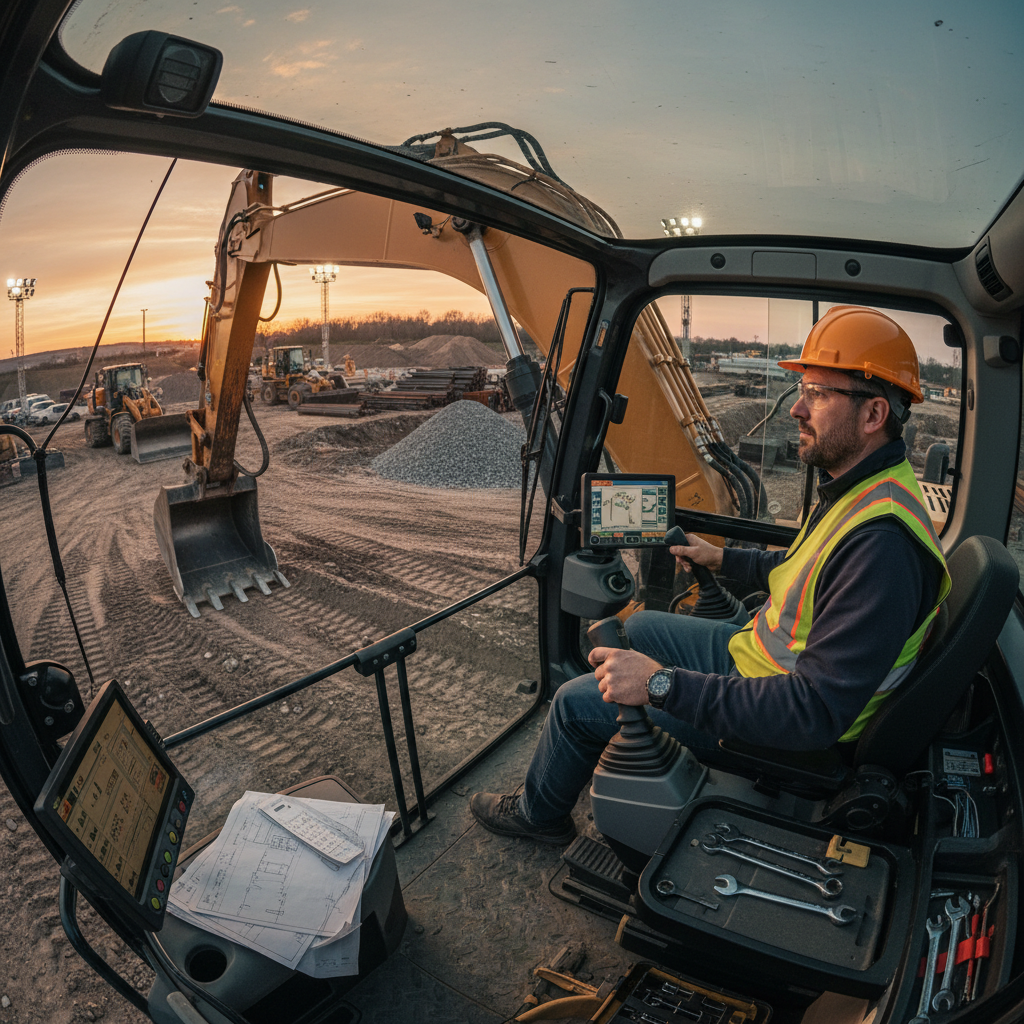
To enhance machine operation efficiency and productivity as a heavy machine operator, it's crucial to focus on both
skill development and proper technique. Understanding the intricacies of the machinery being used can significantly reduce downtime and improve overall performance. Familiarize yourself with each component of the machine; knowing how everything fits together allows for quicker diagnostics and troubleshooting. Regular maintenance checks can also minimize unexpected failures, ensuring that operations run smoothly and efficiently.
In addition to technical knowledge, cultivating a safe working environment is key to productivity. Always adhere to safety protocols and encourage your team to do the same. A culture of safety not only protects operators but also enhances efficiency by reducing the likelihood of accidents that can halt operations. Moreover, pairing on-the-job training with continual learning opportunities, such as workshops or certifications, can further increase proficiency. By leveraging these techniques, heavy machine operators can optimize their work practices, leading to greater output and success in their field.
Continuing Education and Certification Opportunities for Heavy Machine Operators
Continuing education and certification are vital components for heavy machine operators aiming to enhance their skills and career prospects. The heavy equipment industry is evolving rapidly, with technological advancements transforming operational techniques. According to the Association of Equipment Manufacturers (AEM), nearly 60% of employers prioritize candidates who have completed relevant training programs or hold certifications. This puts those who engage in continuous learning at a significant advantage in the job market.
Certification programs, such as those offered by the National Center for Construction Education and Research (NCCER), not only provide essential hands-on experience but also deepen operators’ understanding of safety regulations and equipment maintenance. Recent industry reports indicate that certified operators can earn up to 20% more than their non-certified counterparts. Furthermore, staying abreast of the latest technologies, such as GPS machine control and telematics, through continuing education can substantially enhance an operator's efficiency and productivity. This proactive approach to skill enhancement is invaluable in a competitive landscape where employers seek skilled operators who can navigate advanced machinery with expertise.
Skills Development for Heavy Machine Operators

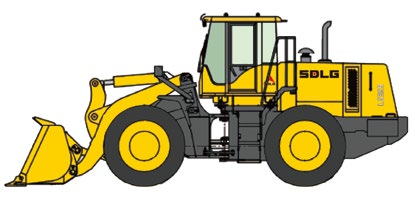 Wheel Loader
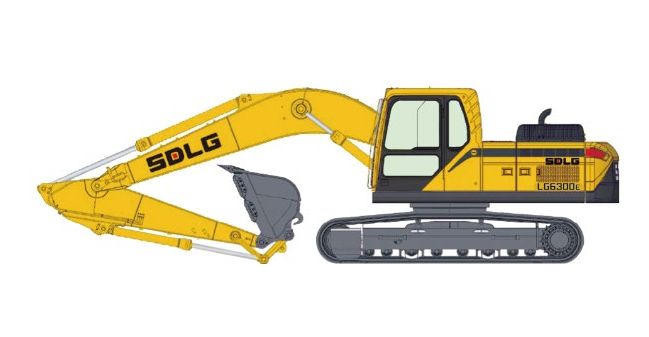 Excavator
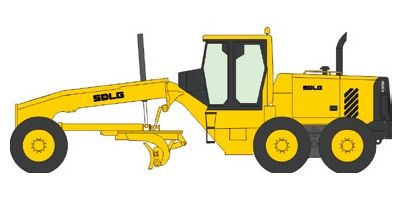 Motor Grader
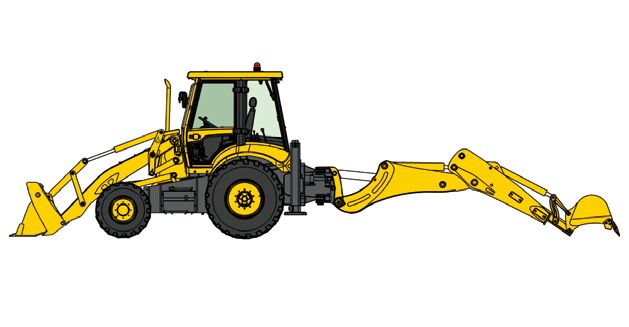 Backhoe Loader
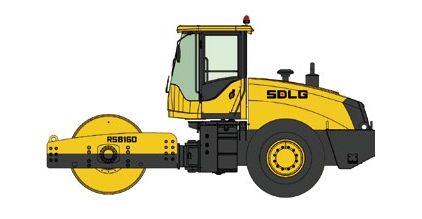 Road Roller
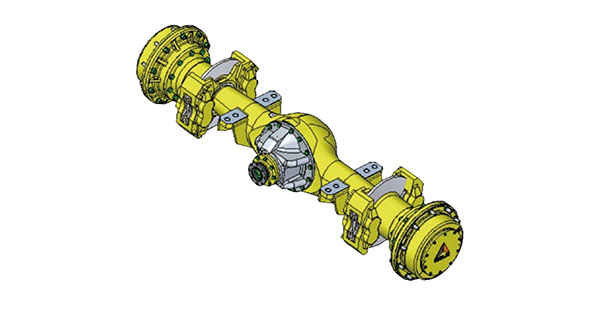 Spare Parts