Heavy Equipment Trader Tips for Global Buyers How to Save?
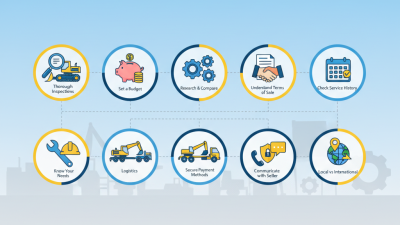
When navigating the global market for heavy equipment, finding a reliable Heavy Equipment Trader is crucial. Buyers face numerous challenges, such as varying regulations and fluctuating prices. It’s essential to partner with experienced traders who understand these dynamics. With proper guidance, you can save both time and money.
A trusted Heavy Equipment Trader can provide valuable insights into the most competitive prices and offers. They often have access to a wider selection of equipment, ensuring you find the best match for your needs. However, not all traders are created equal. It’s important to do your research and choose traders with proven track records.
Investing in heavy machinery is significant. Buyers should be cautious and examine every deal thoroughly. Mistakes can be costly and can lead to regret later on. Connect with reputable Heavy Equipment Traders who have experience in your specific region. Their expertise can help you avoid pitfalls and enhance your overall purchasing experience.
Understanding the Global Heavy Equipment Market Dynamics
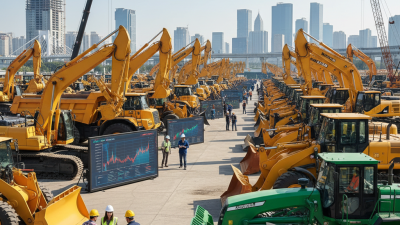
Understanding the global heavy equipment market is crucial for buyers seeking to make informed decisions. The market is diverse, filled with various types of machinery. Buyers must recognize the regional differences impacting availability and pricing. For instance, certain equipment may be more readily available in Europe but costly in Asia due to transportation hurdles.
Market trends fluctuate based on demand and economic conditions. Economic growth in developing countries can drive up prices. Conversely, surplus inventory in mature markets might offer better deals. Staying updated on market dynamics helps buyers negotiate more effectively. Buyers often find themselves overwhelmed by numerous choices, making it essential to focus on specific needs rather than getting lost in options.
Language barriers and cultural nuances can complicate global transactions. Communication is key to understanding product details. Buyers should prioritize thorough research and forge relationships with reputable sources. Mistakes can be costly, yet they provide valuable lessons. Reflecting on past experiences can help refine future purchases and improve overall decision-making.
Identifying Reliable Heavy Equipment Traders Worldwide
When seeking reliable heavy equipment traders globally, the process can be daunting. Many buyers fall into the trap of relying solely on online reviews and ratings, which may not reflect true reliability. It's essential to conduct thorough research to understand market dynamics in different regions. Look for traders with established track records, involving years of experience within the industry.
Tips: Verify certifications and affiliations. A reputable trader will have industry certifications. They might also hold memberships in relevant organizations. Ask for references from previous clients to gauge reliability. Tools such as online forums can also provide insights into traders' reputations. Communication matters. A reliable trader should respond promptly to inquiries and provide clear answers.
Another key factor is transparency. Traders should be open about equipment condition and pricing. If a deal seems too good to be true, it probably is. Take a closer look at the details. Engage in discussions about warranties and after-sale support. This interaction can reveal their professionalism and commitment to customer satisfaction. Recognizing these signals can help you make informed decisions.
Key Factors to Consider When Purchasing Heavy Equipment
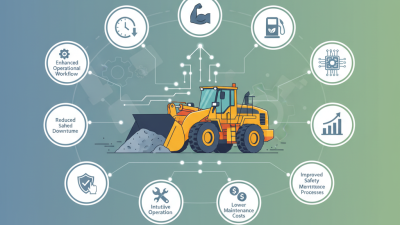
When purchasing heavy equipment, buyers must consider various key factors. First, understanding the total cost of ownership (TCO) is essential. TCO includes purchase price, maintenance, and operating expenses. A report from the Association of Equipment Manufacturers highlights that operating costs can account for up to 70% of TCO. Buyers often overlook these ongoing expenses, leading to unplanned financial burdens.
Condition and age of the equipment play a significant role as well. An equipment appraisal might reveal that newer models provide better fuel efficiency and lower maintenance costs. However, a well-maintained older model can sometimes outperform newer options, depending on usage. An analysis from the Construction Industry Institute shows that equipment downtime can cost an average of $600 per hour. Buyers should carefully assess history reports to gauge reliability.
Finally, geographic considerations matter. Import duties and logistics can significantly impact the final price. Additionally, local market trends may influence equipment availability and pricing. Researching comparable local prices allows buyers to make informed decisions. Staying updated on regional demand can guide negotiations. Always remember, it’s crucial to balance upfront costs with long-term functionality and sustainability.
Heavy Equipment Trader Tips for Global Buyers
| Key Factors |
Description |
Tips to Save |
| Budget |
Determine the total cost of ownership, including purchase price and maintenance. |
Set a realistic budget and leave room for unexpected costs. |
| Equipment Condition |
Assess the current state and operational capability of the equipment. |
Request detailed inspection reports and consider pre-purchase inspections. |
| Supplier Reputation |
Research the reliability and history of the supplier. |
Read reviews and ask for references from previous buyers. |
| Warranty and Support |
Check the warranty terms and available customer support. |
Choose suppliers that offer strong warranty and service options. |
| Market Trends |
Stay informed about current market prices and trends. |
Negotiate prices based on market fluctuations and demand. |
| Shipping Costs |
Consider logistics and associated shipping costs to your location. |
Compare shipping options and negotiate with logistics providers. |
Effective Negotiation Strategies for International Buyers
Negotiating for heavy equipment on a global scale poses unique challenges for buyers. Understanding cultural differences is crucial. Each country has its negotiation style, which can impact communication. For example, some cultures prioritize relationships, while others focus strictly on terms. A buyer must adapt their approach accordingly.
Preparation is key when entering negotiations. Research the market value of the equipment. Know the seller's background and their position. Asking questions is vital. It can reveal the seller's motivations and flexibility on price. However, be wary of revealing too much about your budget too early. This can limit your negotiating power.
Building rapport is essential, yet it can take time. A casual conversation before discussing business can pave the way. Be prepared for the seller's responses. Not every negotiation will go smoothly; miscommunications may occur. Learn from these experiences to improve future negotiations. Reflect on what went wrong and adapt your strategy. This continuous learning approach will enhance your effectiveness in international transactions.
Heavy Equipment Pricing Comparison - International Market
This bar chart illustrates the average prices of various heavy equipment types in the international market. Understanding these price variations can help global buyers make informed purchasing decisions while negotiating effectively.
Tips for Ensuring Cost-Effective Shipping and Logistics
Shipping heavy equipment globally can be complex. Understanding the logistics involved is crucial for cost savings.
Assess your options for shipping methods. Road, rail, and sea transport each have unique advantages. Research providers
with a strong track record in equipment transport. Their experience can save you time and money.
Consider packaging carefully. Proper crating or containerization protects your investment. It also minimizes damages that could lead to extra costs.
Ensure you have the right shipping documents. Incorrect paperwork can cause delays and additional fees. Always double-check the requirements.
Evaluating your logistics is essential. Sometimes, the cheapest option isn’t the best.
Evaluate transit times and reliability against costs. You may find a slightly more expensive option leads to fewer headaches.
Always seek quotes from multiple logistics providers. Compare their services carefully. This can reveal hidden fees and additional services
that could affect your bottom line.

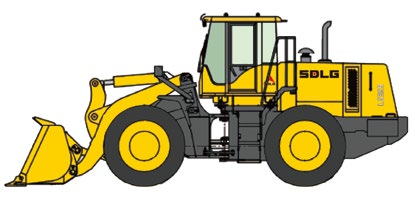 Wheel Loader
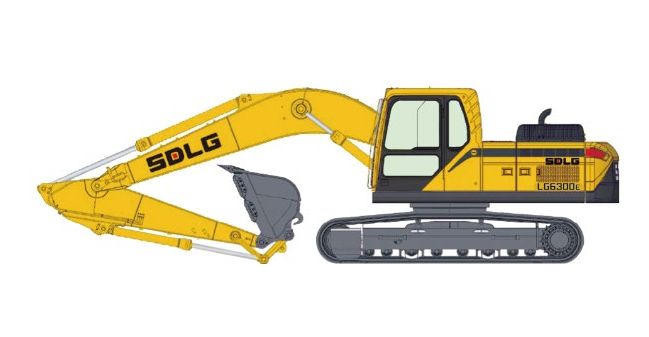 Excavator
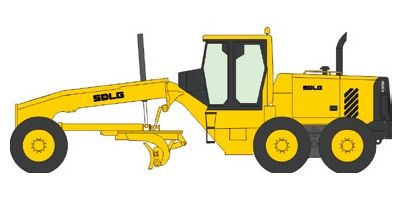 Motor Grader
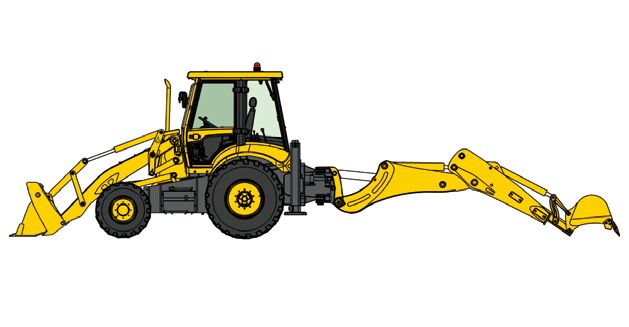 Backhoe Loader
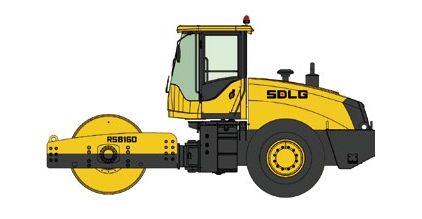 Road Roller
 Spare Parts