Why Choose Heavy Equipment Machinery for Your Business Needs?
In the world of construction and heavy industries, heavy equipment machinery is a game-changer. Bob Smith, a leading expert in industrial machinery, emphasizes, "Investing in quality heavy equipment is investing in success." This quote underlines the importance of robust machinery for any business looking to thrive.
Heavy equipment machinery serves various essential functions. From excavators to bulldozers, the right machinery can dramatically increase productivity and efficiency. However, choosing the right machinery is often a challenging task. Businesses must consider factors such as durability, maintenance, and operational costs. It's crucial to balance initial investments against long-term benefits.
A strategic approach is necessary when selecting heavy equipment. Sometimes, companies may opt for cheaper options, thinking they save money. Yet, these choices can lead to higher costs down the line. Ultimately, understanding the value of heavy equipment machinery can lead to more informed decisions and a competitive edge in the industry.
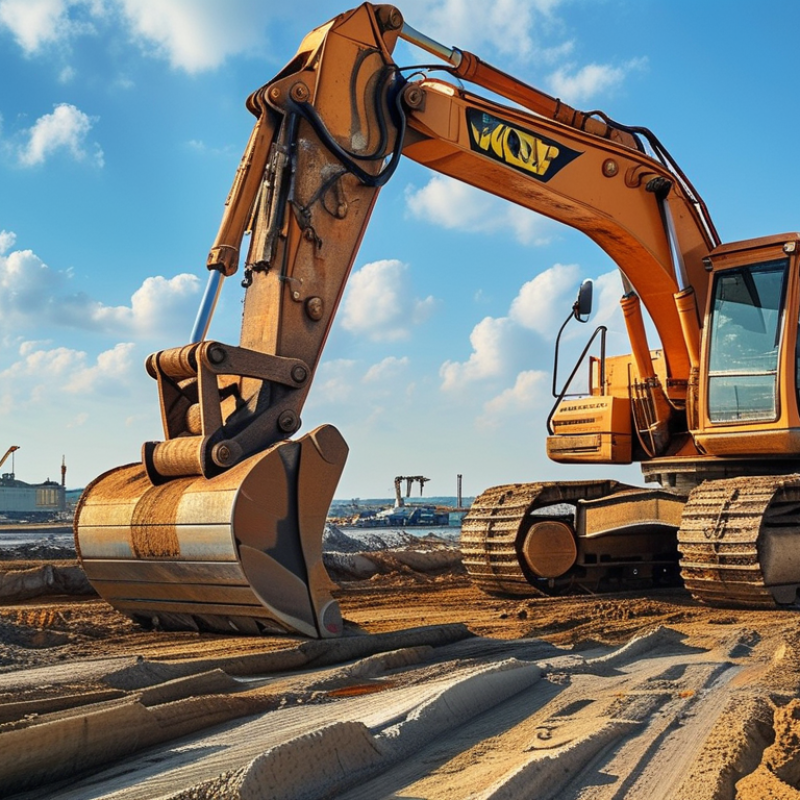
The Importance of Heavy Equipment Machinery in the Construction Sector
Heavy equipment machinery plays a crucial role in the construction sector. According to the Global Construction Performance Report, the construction industry contributes over 13% to the world's GDP. This underscores the need for reliable machinery to ensure efficiency and productivity on job sites.
Excavators, bulldozers, and cranes are just a few types of equipment that enhance the capability of construction projects, allowing for faster completion times and improved safety.
Investing in heavy machinery can lead to substantial long-term savings. A 2020 study found that construction firms reducing manual labor through machinery use decreased project costs by 30%. This shift towards automation not only boosts productivity but also minimizes human error. However, it's essential to carefully evaluate machinery needs before purchasing. Choosing machinery without understanding project requirements can lead to costly mistakes.
Tip: Always analyze your project's scope to select the right machinery. This ensures efficiency and minimizes downtime. Consider leasing options if you're unsure about long-term needs.
Heavy equipment maintenance should not be overlooked. According to industry standards, regular inspections and servicing can extend machinery lifespan by 20%. Neglecting maintenance can lead to unexpected breakdowns, impacting project schedules and budgets.
Tip: Implement a maintenance schedule based on the manufacturer's recommendations and actual usage. This proactive approach can save you money and reduce operational risks.
Key Advantages of Investing in Heavy Equipment for Business Efficiency
When considering heavy equipment for business operations, efficiency stands out as a key advantage. According to the Associated General Contractors of America, 70% of construction companies reported that investing in the right machinery improved their project timelines significantly. Heavy equipment, like excavators and bulldozers, boosts productivity, allowing businesses to handle larger projects with ease.
The initial cost of heavy machinery can be daunting. However, studies show that businesses that invest in these tools often see a return on investment (ROI) exceeding 200%. This indicates that while upfront expenses may be high, the long-term savings and increased efficiency can justify the outlay. Companies experience reduced labor costs and minimize downtime, factors that can directly affect profitability.
However, not all businesses are ready for this investment. Machinery requires maintenance and training, which can strain resources. Some companies face challenges managing these complexities. Efficient heavy equipment management is a skill that not all possess. Reflecting on these aspects is crucial before making substantial commitments to heavy machinery.
Advantages of Investing in Heavy Equipment for Business Efficiency
Industry Statistics on Heavy Equipment's Impact on Operational Costs
Heavy equipment machinery plays a pivotal role in many industries. Recent statistics reveal that businesses leveraging heavy machinery experience a significant reduction in operational costs. In fact, companies report up to a 25% decrease in labor expenses when automation is integrated into daily operations. This is pivotal for improving overall productivity.
Moreover, the initial investment in heavy machinery can seem daunting. However, it's essential to consider the long-term savings. Owning machinery can lower rental and maintenance costs. Companies that opt for purchase over rental often break even within a year. In a competitive market, these savings contribute to sustainable growth and profitability.
It's crucial, however, to reflect on the learning curve associated with new machinery. Staff training is necessary to maximize these benefits. Some organizations struggle with effective training programs, hindering the transition. Nevertheless, those who succeed in this area often find that skilled workers significantly enhance efficiency, resulting in a well-rounded operation.
Comparative Analysis: Heavy Equipment vs. Manual Tools in Productivity
When comparing heavy equipment machinery to manual tools, productivity often stands out as a key differentiator. Heavy machinery excels in efficiency, handling larger volumes of work quickly. Tasks that may take hours with manual tools can often be completed in minutes with the right equipment. For example, earthmoving tasks performed by excavators are far more efficient than using shovels. This increased speed can significantly impact project timelines.
However, investing in heavy machinery requires careful consideration. Maintenance and operating costs can add up quickly. It's important to assess whether your business will frequently use the equipment. If not, the expense may not justify the benefits. Proper training for operators is crucial. Untrained users can lead to accidents and increased downtime.
**Tips:** Always conduct a cost-benefit analysis before making a large purchase. Investing in proper training improves both safety and productivity. Also, consider renting equipment for short-term projects to save on costs.
Why Choose Heavy Equipment Machinery for Your Business Needs? - Comparative Analysis: Heavy Equipment vs. Manual Tools in Productivity
| Criteria |
Heavy Equipment |
Manual Tools |
| Productivity (units/hour) |
50 |
15 |
| Initial Cost ($) |
100,000 |
1,500 |
| Maintenance Cost (annual $) |
10,000 |
300 |
| Labor Requirement (workers) |
2 |
5 |
| Operational Efficiency (%) |
90 |
60 |
| Versatility (types of tasks) |
High |
Medium |
Future Trends: Innovations in Heavy Equipment for Sustainable Practices
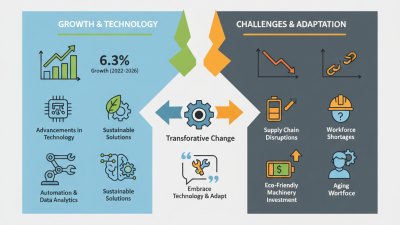
The future of heavy equipment machinery is evolving towards sustainability. Recent studies show that the heavy machinery sector produces nearly 25% of global CO2 emissions. Innovations are underway to change this narrative. For instance, electric and hybrid equipment is gaining traction. A report by the International Energy Agency projects that this transition could reduce emissions by up to 40% by 2030.
Moreover, advancements in telematics are enhancing operational efficiency. Real-time data helps companies monitor fuel consumption and maintenance needs. This leads to cost savings and reduced waste. According to a McKinsey report, companies using such technologies can achieve up to 15% fuel savings. However, not all businesses are quick to adopt these innovations, often due to the fear of high initial investments.
As companies strive for greener practices, they must consider the long-term benefits. The shift is not just about compliance; it’s about competitiveness. Embracing these innovations can yield significant returns. While progress is being made, there remains a gap in widespread adoption. Many industries still rely on outdated equipment, highlighting the need for continuous education and advocacy.

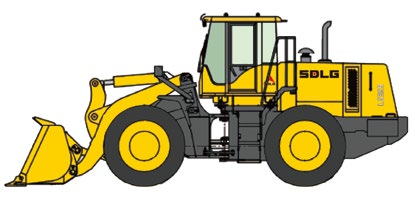 Wheel Loader
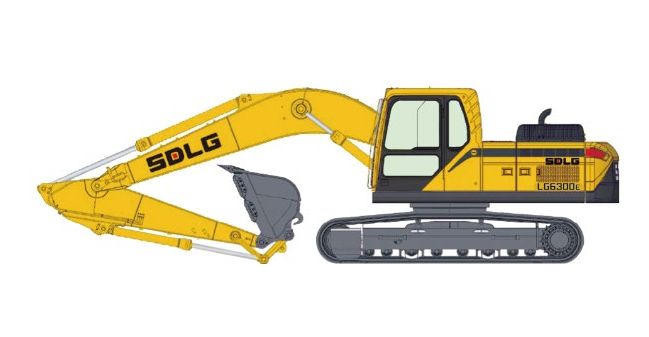 Excavator
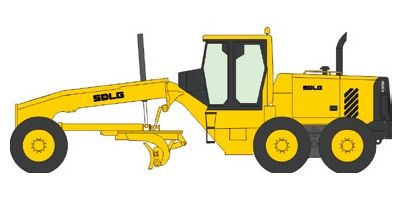 Motor Grader
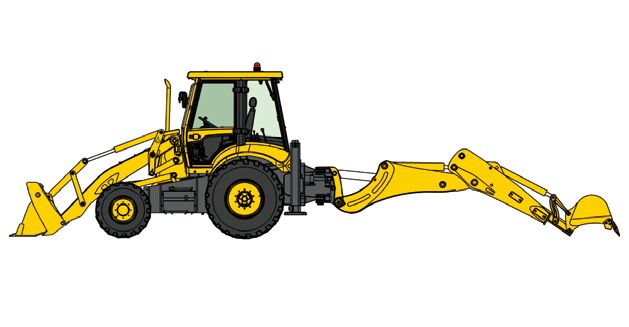 Backhoe Loader
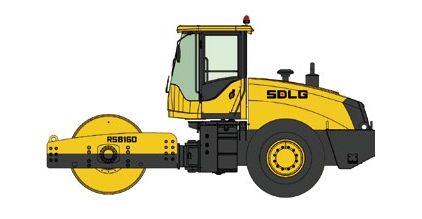 Road Roller
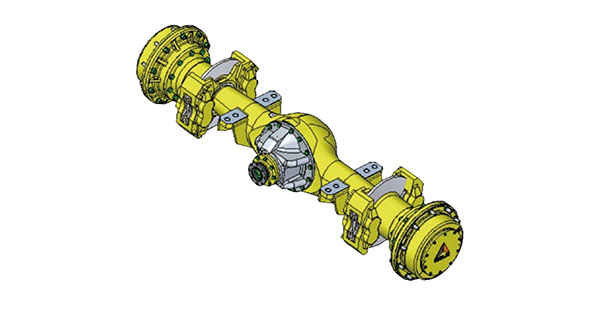 Spare Parts