Why Becoming a Heavy Machine Operator is a Lucrative Career Choice Today
In today's rapidly evolving construction and manufacturing sectors, the role of a Heavy Machine Operator has gained significant traction as a lucrative career choice. According to the Bureau of Labor Statistics, employment of operators for heavy machinery is projected to grow by 5% from 2020 to 2030, reflecting an ongoing demand for skilled operators capable of handling equipment such as excavators, bulldozers, and cranes. This promising growth is driven by a combination of infrastructure development and the increasing complexity of machinery requiring adept operators.
The median annual wage for heavy machinery operators stands at approximately $49,000, with the potential for higher earnings in specialized segments of the industry. Moreover, as companies in construction and other sectors prioritize efficiency and technological integration, the need for qualified heavy machine operators continues to rise, presenting numerous job opportunities across various regions. As a result, pursuing a career as a Heavy Machine Operator not only promises a stable income but also offers a pathway to skill enhancement and career advancement, making it an attractive option for those looking to enter the workforce or switch careers.

The Growing Demand for Heavy Machine Operators in Today's Economy
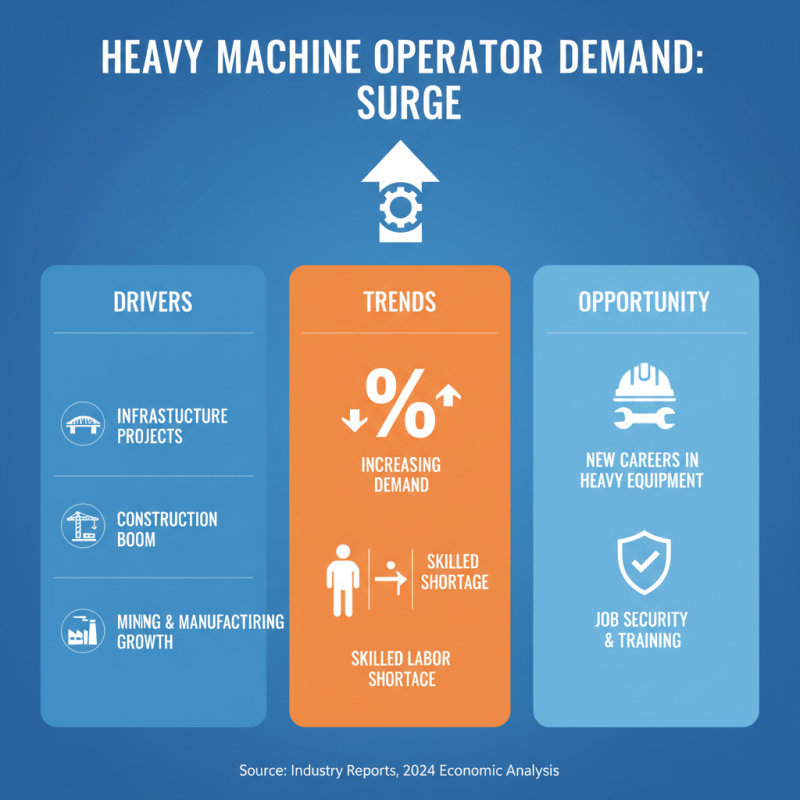
The demand for heavy machine operators has surged in today’s economy, driven by an increasing need for skilled labor in construction, mining, and manufacturing sectors. As infrastructure projects and public works gain momentum, companies are actively seeking trained operators to manage the complex machinery essential for these tasks. This trend is particularly notable as many existing operators approach retirement, leading to a significant gap between the workforce demand and supply.
Moreover, the global push for infrastructure development and modernization has created a fertile ground for heavy machine operators. Industries are rapidly expanding, and with that comes the necessity for efficient and safe operations of heavy equipment. Operators who are well-versed in the latest technologies, such as automated machinery and advanced safety protocols, are especially in demand, making this career an attractive option for individuals entering the workforce or seeking to switch careers. With competitive salaries and the potential for overtime pay, heavy machine operation is not only a stable job choice but also one with promising financial rewards.
Reasons Behind Attractive Salaries for Heavy Machine Operators
The increasing demand for heavy machine operators can be attributed to the rapid growth of industries such as construction, mining, and logistics. As urban infrastructure expands and new development projects emerge, the need for skilled operators who can efficiently manage heavy machinery has surged. These professionals play a crucial role in ensuring projects are completed on time and meet safety standards, making the demand for their expertise critical.
One of the primary reasons behind the attractive salaries for heavy machine operators is the specialized skill set required for the job. Operators undergo rigorous training and often hold certifications that attest to their ability to safely and effectively handle complex machinery. This expertise not only ensures smooth operations but also minimizes risks associated with accidents, leading employers to offer competitive wages to attract and retain qualified personnel. Additionally, as technology in machinery improves, operators are required to continually adapt and upgrade their skills, enhancing their value in the job market. The combination of high demand, specialized training, and the essential nature of their work contributes to the lucrative pay that heavy machine operators receive today.
Essential Skills and Training Required for Heavy Machine Operation
Becoming a heavy machine operator is not only a rewarding career choice, but it also requires a specific set of skills and training to ensure proficiency and safety on the job. Firstly, operators must have a strong understanding of machinery, including the ability to read and interpret technical manuals and schematics. This knowledge is crucial as it allows them to troubleshoot issues and conduct routine maintenance. Furthermore, physical fitness is important, as operating heavy machinery can be demanding and often requires the ability to handle large, complex equipment.
In addition to technical knowledge, certain certifications and training programs are essential for aspiring heavy machine operators. Many employers prefer candidates who have completed a formal training program or apprenticeship, which often combines classroom instruction with hands-on experience. These programs typically cover essential areas such as safety protocols, machine operation techniques, and troubleshooting practices. Furthermore, obtaining certification from recognized institutions can enhance job prospects and demonstrate a commitment to professionalism in the field. By combining these essential skills and training, individuals can position themselves for a promising career as a heavy machine operator.
Why Becoming a Heavy Machine Operator is a Lucrative Career Choice Today
| Skill Category |
Essential Skills |
Training/Certification |
Average Salary (USD) |
| Technical Skills |
Operating heavy machinery, Equipment maintenance |
Heavy Equipment Operator Certification |
$52,000 |
| Safety Awareness |
Understanding safety protocols, Emergency response |
OSHA Safety Training |
$50,000 |
| Problem-Solving |
Troubleshooting machine issues, Quick decision making |
Technical workshops |
$54,000 |
| Physical Ability |
Stamina, Manual dexterity |
Physical training programs |
$48,000 |
| Communication |
Team coordination, Following instructions |
Communication skills workshops |
$51,000 |
Job Security and Advancement Opportunities in the Heavy Machinery Field
The heavy machinery industry offers significant job security and advancement opportunities, making it an attractive career path for many individuals. According to the Bureau of Labor Statistics, the employment of operating engineers and other construction equipment operators is projected to grow by 8% from 2021 to 2031, which is faster than the average for all occupations. This growth is driven by the continued need for infrastructure development and maintenance, ensuring that skilled operators will be in high demand.
As the industry evolves, operators have the chance to advance into supervisory roles or specialize in operating complex machinery. Many companies offer training programs that allow employees to gain certifications in niche areas, such as crane operation or earth moving equipment. The North America Heavy Equipment Operator Industry Report highlights that certified operators can earn substantially more, with potential salaries exceeding $70,000 annually depending on experience and location.
**Tips:** Aspiring heavy machine operators should consider seeking apprenticeship programs to gain hands-on experience while also enrolling in courses that improve their technical skills. Networking within industry groups can lead to valuable job opportunities and mentorship. Additionally, staying updated with advances in machinery and technology can provide a competitive edge in this growing field.
Job Security and Advancement Opportunities in the Heavy Machinery Field
Impact of Technology on the Future of Heavy Machine Operation Careers
The integration of technology into the heavy machine operation industry is reshaping career prospects and operational efficiencies. Advancements such as automation, telematics, and GPS tracking have enhanced the capabilities of heavy machinery, allowing operators to work with increased precision and safety. As machines become more sophisticated, the role of heavy machine operators is shifting from traditional manual operations to a more tech-focused approach. Operators must now be adept at using advanced software systems that monitor machine performance and optimize fuel efficiency, making technical skill a crucial component of the job.
Moreover, the advent of autonomous machinery is set to revolutionize the industry. While this may raise concerns about job security, it actually opens up new avenues for employment in machine programming, maintenance, and oversight. Heavy machine operators will be required to understand the mechanics and software that drive these advanced vehicles, leading to potential career growth in a high-demand field. As the industry evolves, continuous education and training will become essential, enabling operators to stay current with emerging technologies and maintain a competitive edge in their careers.

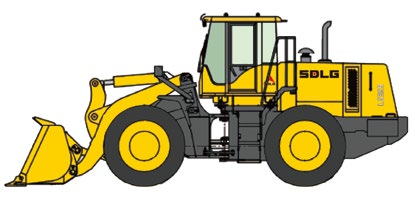 Wheel Loader
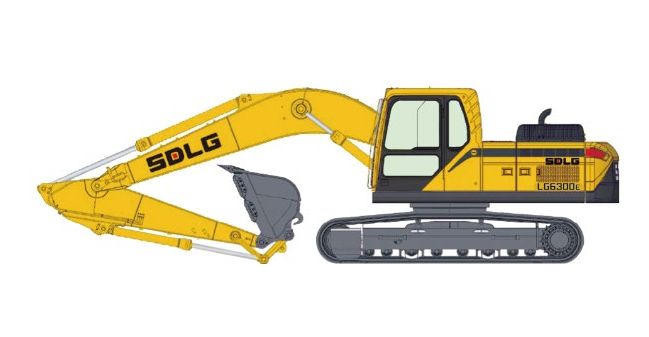 Excavator
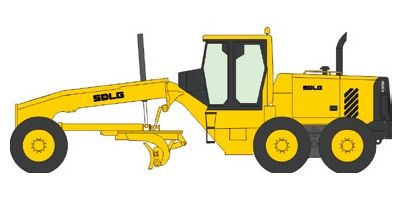 Motor Grader
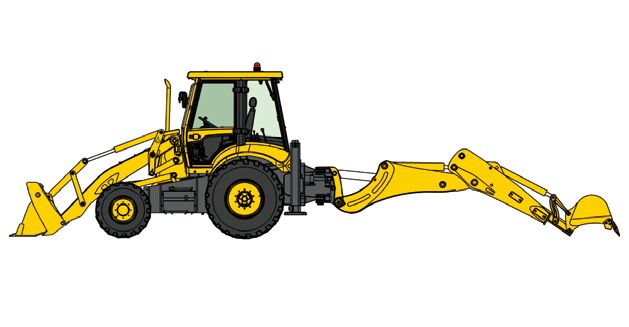 Backhoe Loader
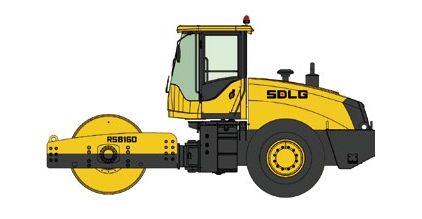 Road Roller
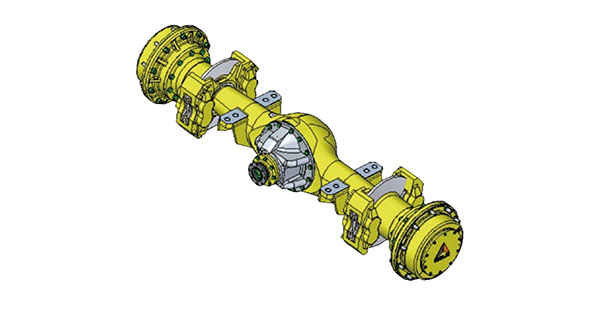 Spare Parts