Heavy Machinery Transport Solutions for Global Buyers?
Transporting heavy machinery is a complex task that demands precise planning. Heavy Machinery Transport involves specialized logistics and a deep understanding of regulations. Every piece of equipment has unique requirements for safe transit. Buyers need assurance that their machinery will arrive intact and on schedule.
The global landscape presents various challenges for transport solutions. Each country has its own laws and infrastructure. This variability can complicate the transportation of large, heavy equipment. Companies must adapt strategies to mitigate risks effectively. Issues such as weight limits and road conditions often require careful navigation.
Expertise in Heavy Machinery Transport is crucial for success. Reliable partnerships with professional carriers can enhance the shipping experience. Understanding market dynamics helps buyers identify trustworthy solutions. Yet, businesses should acknowledge potential pitfalls, such as unexpected delays. Reflecting on past experiences can aid in improving future transport strategies.

Overview of Heavy Machinery Transport Solutions
Transporting heavy machinery requires careful planning and execution. Different solutions are available to meet diverse needs. For instance, flatbed trucks are commonly used for transporting large equipment over land. They provide an open platform, allowing for easy loading and unloading. Specialized trailers, like lowboys, are designed for oversized loads. They can accommodate the height and weight of heavy machinery safely.
Air freight is another option, though it is often more expensive. It works best for urgent shipments. However, not all heavy machinery can fit in cargo planes. Some buyers might overlook this, leading to potential delays. Water transport represents the most economical solution for international shipping. Barges and cargo ships can move large volumes at once, yet this method requires longer transit times. Additionally, port regulations can complicate deliveries.
Understanding these methods is essential for effective logistics. Each solution has its advantages and limitations. Buyers should weigh costs versus efficiency. Engaging with experienced logistics providers can enhance decision-making. Clear communication about machinery specifications is also crucial. This ensures the right solutions are chosen for unique transport needs.
Heavy Machinery Transport Solutions Overview
Key Factors Influencing Heavy Machinery Transportation
Heavy machinery transportation is a complex field with numerous influencing factors. According to the Global Heavy Machinery Market Report, logistics challenges account for about 30% of transportation delays. This highlights the importance of planning and execution in heavy machinery transport. Key factors include load size, weight restrictions, and compliance with local regulations. Each of these aspects significantly impacts the efficiency and cost of transportation.
When transporting heavy machinery, understanding regional regulations is crucial. For instance, overweight loads may require special permits. Additionally, weather conditions can affect delivery schedules. The American Transportation Research Institute reported that weather-related delays can increase costs by up to 20%. This underlines the need for meticulous route planning and risk assessment.
**Tips:** Always conduct a pre-transport inspection. A thorough check can uncover potential issues early. Engage with experienced logistics providers who understand local laws. Finally, consider alternative routes to avoid high-traffic areas. These strategies can minimize delays and optimize the transport process.
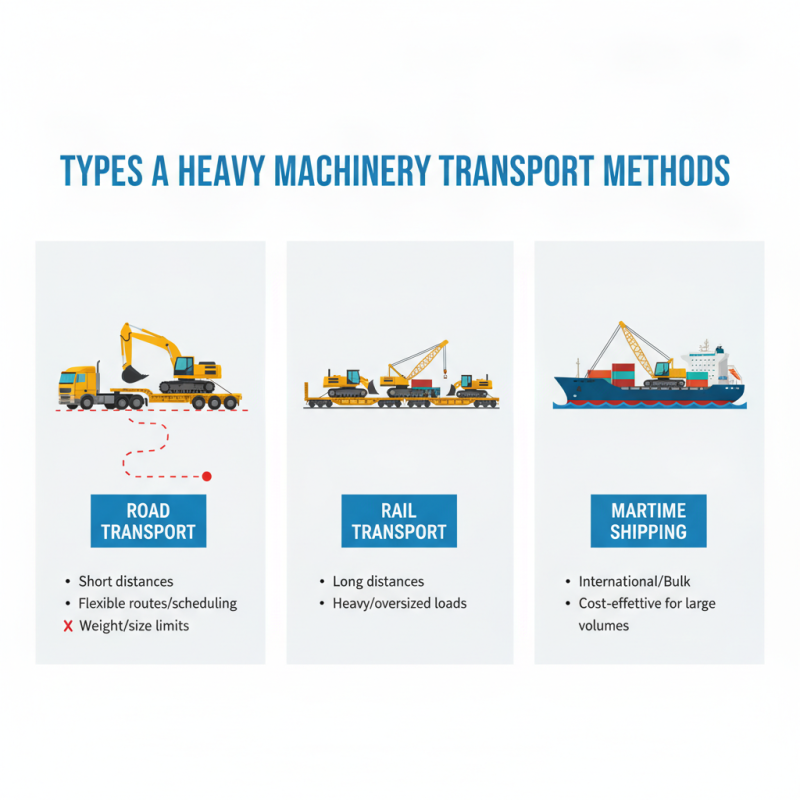
Types of Heavy Machinery Transport Methods
Transporting heavy machinery poses unique challenges. Different methods cater to diverse needs. The primary types include road transport, rail transport, and maritime shipping. Road transport is often used for short distances. It offers flexibility in routes and scheduling. However, it faces weight and size limitations.
Rail transport is more efficient for long distances. Research shows that rail can reduce costs by up to 30% compared to road transport. It also minimizes the carbon footprint, which is essential for sustainability. Still, rail transport requires specialized loading and unloading equipment.
Maritime shipping is key for international deliveries. It can handle large and bulky machinery. Reports indicate that shipping via sea is often cheaper per ton compared to land transport. Yet, it involves lengthy transit times. Buyers must balance speed and cost when selecting a method. Understanding each option’s constraints is crucial for making informed decisions.
Challenges in International Heavy Machinery Shipping
Shipping heavy machinery internationally comes with numerous challenges. Rising costs are a significant issue in this sector. According to industry reports, freight rates for heavy equipment have surged by 30% compared to previous years. This surge may relate to global supply chain disruptions and increased fuel prices. Additionally, customs regulations vary widely from one country to another. This inconsistency can lead to delays and increased costs, impacting project timelines.
One key challenge is the need for specialized transport. Heavy machinery often requires custom crating and loading techniques to prevent damage. According to a survey, nearly 40% of companies reported damage to equipment during transit, highlighting the importance of proper handling. Working with experienced logistics partners can mitigate these risks.
**Tips:** Always research local regulations before shipping. Thoroughly document all equipment and shipping conditions. This can help resolve disputes if issues arise during transit. Additionally, consider investing in insurance to safeguard against potential losses.
Attention to detail is critical in heavy machinery transport. Issues can range from insufficient load-bearing capacity on vessels to improper weight distribution. Companies must reassess their shipping methods regularly to avoid costly mistakes.
Heavy Machinery Transport Solutions for Global Buyers - Challenges in International Heavy Machinery Shipping
| Transport Method |
Challenges |
Cost Estimate (USD) |
Transit Time |
Best Practices |
| Flatbed Trucking |
Route limitations, loading/unloading complexity |
2,000 - 5,000 |
1-3 days |
Plan routes in advance, use loaders |
| Container Shipping |
Container size restrictions, customs clearance |
1,500 - 4,000 |
2-6 weeks |
Ensure proper documentation, choose right container size |
| Heavy Lift Vessel |
Weather dependency, port accessibility |
10,000 - 30,000 |
1-3 weeks |
Monitor weather conditions, verify port facilities |
| Rail Freight |
Track gauge differences, scheduling issues |
800 - 2,500 |
3-7 days |
Coordinate with rail companies, ensure load safety |
Best Practices for Global Buyers in Machinery Logistics
Transporting heavy machinery globally poses unique challenges for buyers. Effective logistics strategies are crucial in ensuring safety and efficiency. First, always assess the specific needs of each piece of machinery.
Size, weight, and fragility determine the transport method and packaging required. Proper packaging prevents damage during transit.
Experienced buyers often focus on communication with logistics providers. Clear and timely communication can minimize delays. Additionally, utilizing tracking technologies provides visibility in real-time, reducing anxiety over delivery. However, it's essential to remain adaptable.
Unexpected changes can occur, from weather disruptions to customs inspections.
Engage in continuous learning regarding regulations in different countries. Compliance is not only necessary but also beneficial. Misunderstanding regulations can lead to delays and extra costs. Moreover, reflecting on past shipments can highlight areas for improvement.
Regularly revisiting methods and practices fosters a culture of improvement and can enhance future transport efficiency.

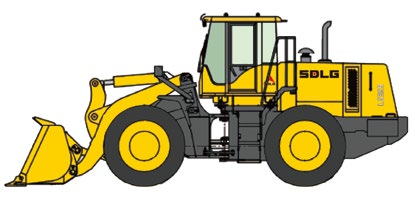 Wheel Loader
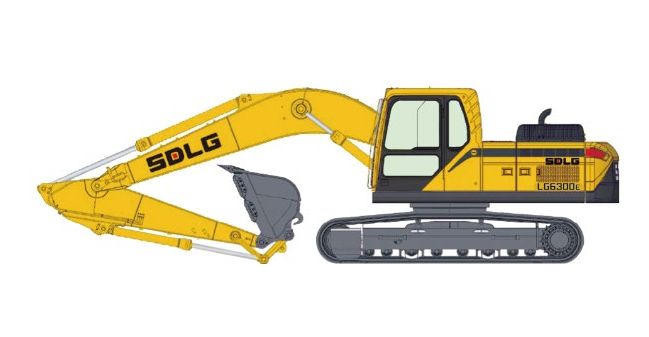 Excavator
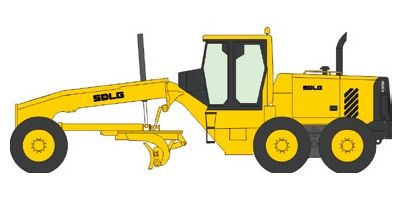 Motor Grader
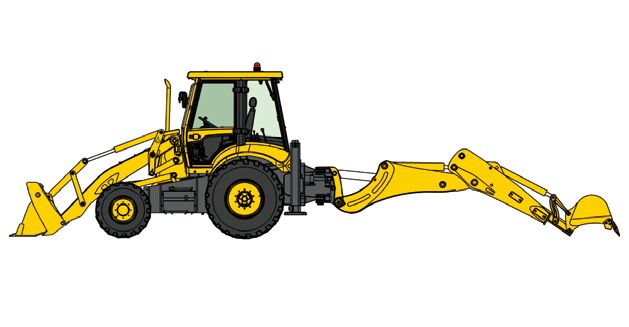 Backhoe Loader
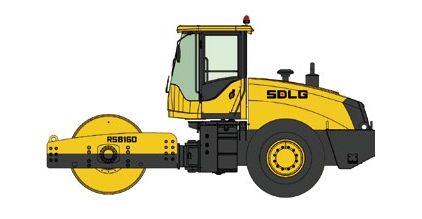 Road Roller
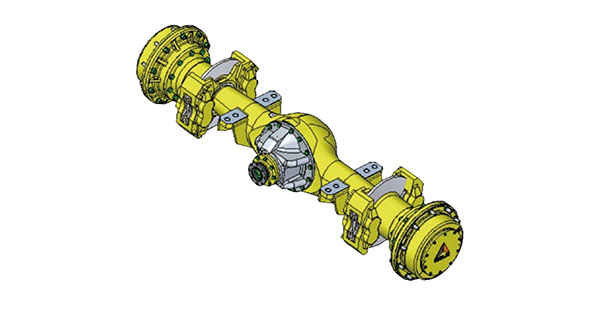 Spare Parts