Buying a Hitachi Wheel Loader worldwide requires more than comparing horsepower and advertised prices. The right choice depends on jobsite conditions, local support, import requirements, and long-term operating costs. A loader working in a quarry needs different tires, guarding, and cooling capacity than one moving aggregate at a busy port.
Alan Quinn, a construction equipment industry executive and former CEO of Hitachi Construction Machinery Americas, has stated, “Customers need reliable machines, strong support, and solutions that improve productivity.” This principle matters when evaluating a Hitachi Wheel Loader across borders. A low purchase price can become expensive when replacement filters, hydraulic components, or trained technicians are unavailable.
Start with the machine’s serial number, operating hours, service history, and ownership records. Request clear photographs of the articulation joint, bucket linkage, tires, engine bay, and hydraulic cylinders. Oil leaks may look minor on a screen. They may signal costly repairs after delivery. An independent inspection is worth considering, especially for used equipment.
Check whether the model meets your destination’s emission, safety, and road-transport requirements. Confirm warranty coverage in writing. Ask who handles customs clearance, inland delivery, commissioning, and operator training. These details are easy to overlook.
Do not ignore local dealer capability. Fast parts access can protect a project schedule better than a small discount. Compare fuel consumption, payload, cycle time, resale value, and financing costs. No checklist is perfect. Conditions change, and online listings can be incomplete. A careful buyer keeps questions open, verifies every document, and chooses dependable support over attractive promises.
Before buying a Hitachi wheel loader worldwide, define the work, not only the price. Identify expected payload, bucket material, travel distance, loading height, and daily operating hours. A quarry needs different specifications from a municipal recycling yard. Record the material density, moisture, and average stockpile height. Small details matter.
The 2024 Global Construction Equipment Market report by Research and Markets indicates that Asia-Pacific remains the largest regional market, supported by infrastructure and mining activity. This affects availability, shipping routes, technician access, and parts inventory. Check the machine’s rated operating capacity against your real load. A loader handling 3 tonnes of wet aggregate may need more hydraulic reserve than one moving dry soil. Use ISO 14397 test principles when comparing bucket payload and tipping performance.
Fuel and uptime deserve equal attention. The U.S. Department of Energy notes that construction equipment fuel use varies sharply with load, idle time, and duty cycle. Ask for measured fuel data under similar conditions, not only brochure figures. Confirm cold-start capability, cooling performance, tire support, and service intervals for your climate. Request inspection records, oil-analysis results, and a documented hour-meter history. Used equipment can look excellent.
I would still challenge my own checklist. Operators often describe conditions differently. Run a supervised trial with your actual material before committing. Test visibility, joystick response, braking, and cycle time. A slightly smaller loader may deliver better transport economics, while an oversized machine can waste fuel and yard space.
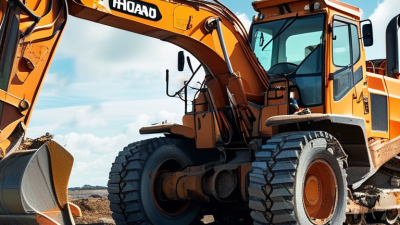
Buying a wheel loader worldwide starts with comparing the job, not the brochure. A quarry may need high breakout force, while a warehouse values compact dimensions and smooth steering. Check operating weight, rated payload, bucket capacity, dump clearance, and turning radius. These figures reveal whether a machine fits your loading area and transport limits.
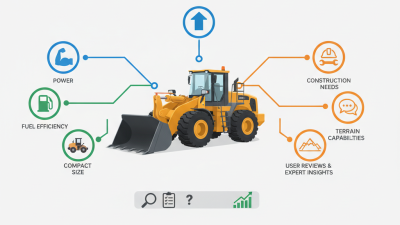
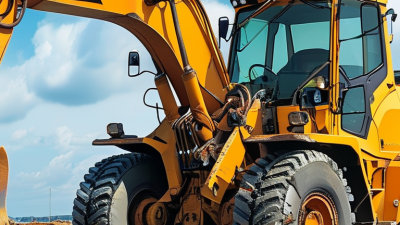
Engine power matters, but hydraulic performance often decides daily productivity. Compare hydraulic flow, relief pressure, cycle time, and lift-arm design. A larger bucket is not always better. It may increase fuel use and reduce stability on uneven ground. Tire size also deserves attention. Wide tires improve flotation on soft soil, while rugged tread supports work on broken stone. Small details matter.
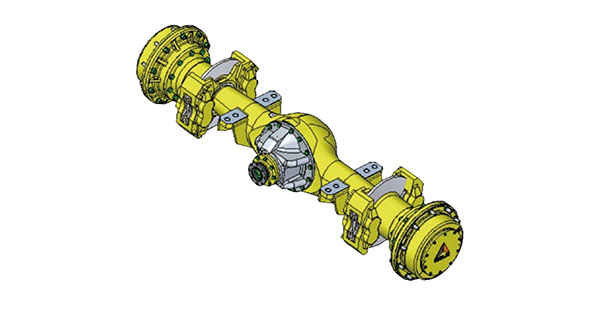
Configuration should match local conditions. Choose enclosed climate control for extreme temperatures, and request reliable filtration for dusty sites. Review axle design, differential options, attachment compatibility, and service access before ordering. My first comparison focused too heavily on horsepower; that was a mistake. A machine with lower power can outperform it when the bucket, hydraulics, and work cycle are properly matched. Ask for verified test data, maintenance intervals, parts availability, and operator feedback from similar sites. Check every measurement twice.
Typical operating specifications by wheel loader size class
This comparison uses representative industry specifications. Larger wheel loaders generally provide higher engine power, greater operating weight, and larger bucket capacity, while compact models offer better maneuverability for urban, agricultural, and restricted-site applications. Actual specifications vary by configuration, attachment, and operating conditions.
How to Buy a Hitachi Wheel Loader Worldwide?
A reliable purchase starts with the seller, not the advertised price. Request the company’s legal registration, physical address, tax details, and recent customer references. The payment account should match the verified business name. Ask for a live video call from the yard. Stock photos are not evidence. A seller who avoids simple questions deserves caution.
Ask for the machine’s serial number, ownership records, service invoices, inspection reports, and operating-hour history. Compare the hour meter with pedal wear, seat damage, tire condition, and maintenance dates. Check whether the loader worked in a quarry, waste site, farm, or construction project. Heavy applications can hide expensive stress. Confirm export documents, shipping terms, and destination requirements before sending money.
An independent technician should inspect the loader before purchase. Request a cold-start video, engine sound recording, fluid checks, and a diagnostic scan. During testing, the boom should lift smoothly, hydraulics should hold pressure, and steering should respond without unusual play. Examine frame welds, articulation joints, pins, tires, cooling fins, and brake performance. Small leaks matter. A clean report is helpful, not magic. Even experienced buyers can miss intermittent faults, especially when inspections happen quickly. Leave room in the budget for hoses, filters, seals, or transport damage. The safest decision combines verified paperwork, physical evidence, and a seller willing to disclose weaknesses.
Buying a wheel loader overseas requires more than comparing the advertised machine price. In practice, the final cost often changes after inspection, documentation, and transport planning. Ask for the machine’s operating hours, service records, serial number, bucket size, and current photographs. A video showing cold starting and hydraulic movement can reveal problems that polished images hide. It is not perfect evidence.
Request a detailed quotation with the machine price, inland delivery, export handling, port charges, and ocean freight listed separately. Shipping costs depend on dimensions, weight, destination port, and seasonal capacity. Roll-on/roll-off transport may suit a working machine, while container shipping can require partial dismantling. Measure the loader carefully. A small height error can create expensive reloading work.
Import taxes vary by country and tariff classification. Confirm the customs code with a licensed broker before payment. Check duties, value-added tax, port storage, inspection fees, and local delivery charges. Some countries require emissions documents, safety certificates, or pre-arrival registration. Prepare the commercial invoice, packing list, bill of lading, certificate of origin, and insurance documents. Use a written contract with clear payment milestones and inspection rights. Leave a contingency budget of around ten percent, because exchange rates and port delays can defeat an otherwise accurate estimate.
Buying a wheel loader internationally requires more than comparing online prices. Start with a supplier that provides a registered business address, machine history, operating hours, and clear export documents. Request the exact model, year, engine standard, bucket size, and working location. A live video inspection can reveal leaks, warning lights, tire wear, and unusual engine noise. Ask an independent inspector to verify these details before payment.
Use a written sales contract with currency, delivery terms, inspection rights, and refund conditions. Payment should match the agreed schedule, not pressure from a salesperson. A bank transfer, documentary letter of credit, or another traceable method can improve protection. Keep records. My early mistake was trusting attractive photos without checking the hour meter against service records. The machine arrived usable, but its tires needed replacement sooner than expected.
Before shipping, confirm the loading port, destination port, insurance, customs documents, and unloading method. Request dated photos of the machine on the truck and inside the container or vessel. After arrival, inspect the loader before signing final acceptance. Reliable after-sales support includes a parts list, maintenance schedule, remote troubleshooting, and a clear response time. Ask whether trained technicians can provide video guidance across time zones. Also confirm parts availability in your region, because a small seal can stop an entire project. Written support is better than promises, though some delays remain unavoidable.
| Purchase Stage | Recommended Arrangement | Typical Documents or Evidence | Indicative Timeframe | Buyer Checkpoint |
|---|---|---|---|---|
| 1. Machine Selection | Define operating weight, rated payload, bucket capacity, engine-emission requirement, working hours, and intended application before requesting quotations. | Configuration sheet, machine photographs, serial-number record, maintenance history, and operating-hour display. | 1–3 business days | Confirm that the configuration meets local road, emissions, safety, and import requirements. |
| 2. Quotation and Contract | Use a written quotation stating machine condition, included attachments, price basis, delivery term, payment schedule, inspection rights, and warranty scope. | Pro forma invoice, sales contract, packing list, commercial invoice, and agreed Incoterm such as FOB, CFR, or CIF. | 2–5 business days | Ensure every promised item is written into the contract rather than confirmed only by message or telephone. |
| 3. Payment Structure | A commonly used structure is 20%–30% as a deposit, with the balance payable after inspection and before shipment. An irrevocable letter of credit or escrow may be considered for higher-value transactions. | Signed contract, bank details verified through an independent channel, payment receipt, and balance-payment conditions. | 1–7 business days per payment stage | Verify the beneficiary name, bank country, currency, fees, refund terms, and payment milestones before remitting funds. |
| 4. Pre-Shipment Inspection | Arrange an independent inspection or a live video inspection covering the engine, hydraulic system, transmission, axles, tires, frame, bucket, controls, warning indicators, and operating test. | Inspection report, cold-start video, travel and loading test, hydraulic-cycle video, oil-leak photographs, and serial-number verification. | 1–3 business days | Compare the inspection result with the contract and define a written remedy for undisclosed defects. |
| 5. Export Preparation | Clean the machine, remove loose materials, record fluid levels, protect exposed components, disconnect the battery when required, and prepare lifting or lashing points. | Packing list, export declaration, fumigation certificate for applicable wood packaging, loading photographs, and container or vessel booking details. | 3–10 business days | Confirm dimensions, gross weight, loading method, cargo insurance, and whether the machine is shipped as containerized or break-bulk cargo. |
| 6. International Delivery | Select sea, rail, or multimodal transport according to destination, budget, machine dimensions, and urgency. Use cargo insurance covering the agreed transport risks. | Bill of lading, insurance certificate, commercial invoice, packing list, certificate of origin where applicable, and shipment tracking information. | Approximately 3–8 weeks by sea, depending on route and port congestion | Identify who pays freight, destination charges, customs duties, taxes, unloading, inland transport, and storage fees. |
| 7. Customs Clearance | Use a licensed customs broker familiar with used construction equipment and verify the correct tariff classification before shipment. | Customs entry, invoice, packing list, transport document, origin document, import permit if required, and ownership or purchase records. | 2–10 business days after document availability | Check import age limits, emissions rules, safety requirements, taxes, duties, and local registration obligations. |
| 8. Arrival and Acceptance | Inspect the machine immediately after arrival and before signing an unconditional delivery receipt. Photograph any transport damage and record operating hours. | Arrival inspection checklist, damage report, delivery receipt, unloading photographs, and signed acceptance record. | Same day to 3 business days | Check for structural damage, missing accessories, fluid leakage, fault codes, tire condition, and proper operation under load. |
| 9. Warranty and Claims | For used equipment, agree a written limited warranty covering specifically identified components, exclusions, claim evidence, response time, and responsibility for parts and labor. | Warranty certificate, defect photographs, diagnostic report, repair quotation, parts invoices, and communication record. | Commonly 30–90 days for selected used-machine components; contract terms control | Confirm when coverage begins, whether wear parts are excluded, and how cross-border repairs or replacement parts are handled. |
| 10. After-Sales Support | Prepare a service plan covering fluids, filters, lubrication, hydraulic inspections, tire maintenance, operator training, troubleshooting, and spare-parts supply. | Maintenance schedule, parts list, service records, technical manuals, remote-support contacts, and recommended consumables list. | Initial support plan within 1–5 business days after delivery | Agree technical response channels, parts lead times, labor rates, local service capability, and escalation procedures. |