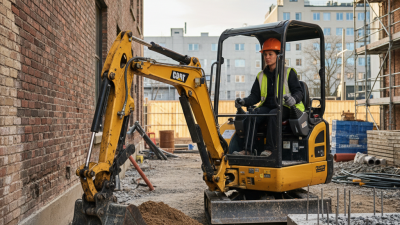
China Top Mini Excavator Suppliers How to Choose?
Choosing among China’s top mini excavator suppliers requires more than comparing prices on a product page. A reliable decision begins with the machine’s working conditions. Consider digging depth, operating weight, tail swing, hydraulic flow, and attachment compatibility. A compact Mini Excavator may work beside a house, through a narrow gate, or across soft garden soil. These details affect the correct model more than a low headline price.
Experienced buyers usually examine the supplier’s manufacturing process, not only polished photographs. Ask for engine specifications, hydraulic component brands, welding standards, inspection records, and real machine videos. Request clear information about warranty coverage, spare parts, delivery terms, and technical support. Factory audits, sample orders, and video inspections can reduce uncertainty. However, they cannot replace careful testing. A supplier may present one excellent unit while ordinary production varies.
Look for evidence from long-term users, independent reviews, and completed projects. Check whether the company explains failures honestly, including oil leaks, delayed parts, or control issues. That honesty matters. No supplier is perfect, and no machine suits every job. Some buyers focus too heavily on purchase cost and later discover expensive attachments or limited local service. A thoughtful comparison should measure total ownership cost, operator comfort, fuel use, maintenance access, and resale potential. The strongest supplier is not always the largest one. It is the partner that communicates clearly, documents its claims, and supports the Mini Excavator after delivery. This guide explores practical questions that can make supplier selection more reliable, while recognizing that real-world performance still deserves careful verification.
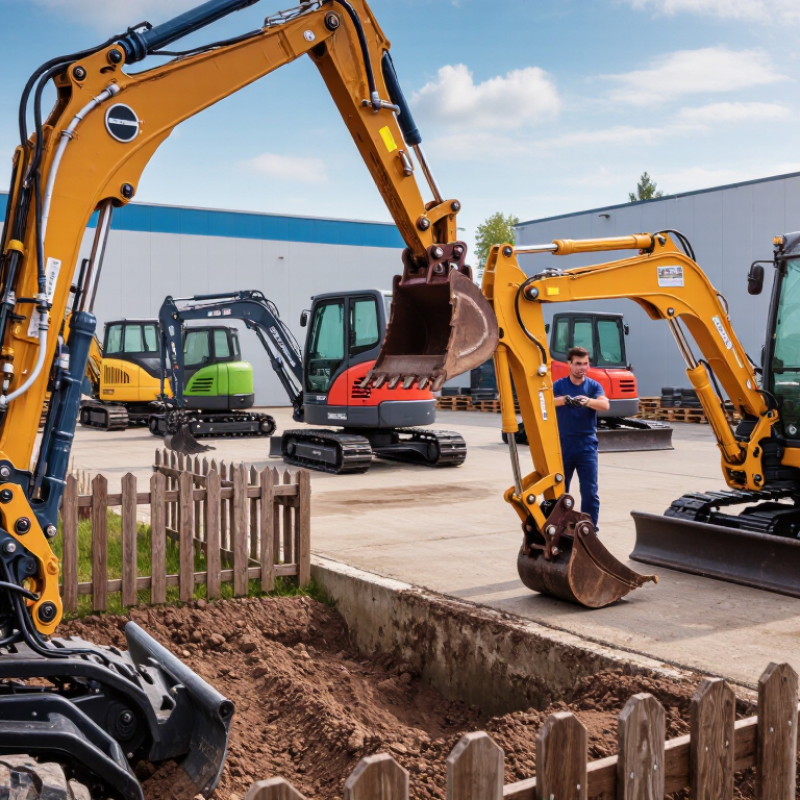
Define Mini Excavators by Operating Mass: Commonly 1–6 Tonnes
China Top Mini Excavator Suppliers: How to Choose?
Mini excavators are commonly classified by operating mass, often from 1 to 6 tonnes. Operating mass is the machine’s weight in a stated configuration, not its digging force or bucket capacity. Check what the figure includes, such as fuel, fluids, attachments, and the operator. The measurement method can vary between suppliers. Small does not mean simple.
Choose a weight class around the worksite, not just the purchase price. A 1-tonne machine may suit narrow garden access, while a heavier model can offer more reach and stability on demanding jobs. But added weight may complicate transport or damage soft ground. Ask suppliers for operating dimensions, digging depth, rated lifting capacity, and transport weight. Request the configuration behind each specification. A polished data sheet can still leave gaps; I would verify key figures against the manual and a live demonstration.
Tips: Confirm the machine’s weight with the intended bucket and attachments. Check track width against the narrowest access point. Ask how routine parts are sourced and what service support is available. Then compare like with like.
China Top Mini Excavator Suppliers: How to Choose? — Define Mini Excavators by Operating Mass: Commonly 1–6 Tonnes
Mini excavators are commonly grouped by operating mass. The specifications below are indicative ranges for comparing machine classes; actual figures vary by configuration, attachments, and measurement method.
| Operating-mass class |
Typical operating mass |
Typical engine power |
Typical maximum digging depth |
Typical bucket capacity |
Common applications |
| 1–2 tonnes |
About 1,000–2,000 kg |
About 8–15 kW |
About 1.7–2.5 m |
About 0.02–0.06 m³ |
Landscaping, narrow-access work, small utility trenches, and residential projects |
| 2–3 tonnes |
About 2,000–3,000 kg |
About 15–22 kW |
About 2.3–2.9 m |
About 0.04–0.10 m³ |
Garden construction, drainage, light site preparation, and general trenching |
| 3–4 tonnes |
About 3,000–4,000 kg |
About 20–30 kW |
About 2.7–3.3 m |
About 0.08–0.15 m³ |
Residential construction, landscaping, service-line installation, and small demolition tasks |
| 4–5 tonnes |
About 4,000–5,000 kg |
About 25–35 kW |
About 3.0–3.6 m |
About 0.10–0.20 m³ |
Roadside work, deeper trenching, farm improvements, and regular construction duties |
| 5–6 tonnes |
About 5,000–6,000 kg |
About 30–45 kW |
About 3.3–4.0 m |
About 0.15–0.25 m³ |
Heavier site preparation, larger drainage jobs, and applications requiring greater reach or lifting capacity |
Selection note: Compare operating mass with the transport payload and trailer limits, then check machine width, digging reach, hydraulic flow for attachments, and service support. Confirm exact specifications for the selected configuration before purchase.
Compare Net Power (SAE J1349), Digging Forces (ISO 6015), and Reach
When comparing mini excavators, check net power measured under SAE J1349, not just a headline horsepower figure. This standard provides a consistent engine rating, but listed values can still depend on test setup and included equipment. Ask suppliers for the rating conditions and confirm whether the machine’s cooling fan and other accessories affect the figure. A few kilowatts matter most when digging continuously or working with demanding attachments.
Digging forces reported under ISO 6015 help show how the bucket and arm perform under defined test conditions. Compare bucket force and arm force separately, and check that figures refer to similar bucket sizes and configurations. A strong bucket force may help break compacted soil, while arm force matters when pulling material toward the machine. Numbers need context. Soil, tooth wear, and operator technique change real results.
Reach is just as practical: compare maximum digging depth and horizontal reach at ground level with your usual trench or loading setup. Check the measurement drawing, not only a brochure number; boom and arm options can change working geometry. A longer reach may reduce repositioning, yet can feel less useful in a tight yard. One comparison mistake is treating maximum reach as the best reach. Consider where the machine can dig comfortably, with stable footing and the bucket still under control.
Verify EU Stage V PM Limits: 0.015 g/kWh for 19–560 kW Engines
When comparing mini excavator suppliers in China, check the engine’s rated power and emissions documents before relying on a sales claim. For engines in the 19–560 kW range, verify the stated EU Stage V particulate matter limit of 0.015 g/kWh against the engine’s applicable category. Ask for the approval or test documentation showing the engine family, power rating, and emissions configuration. A polished brochure can still leave one question unanswered: does the document match the engine installed in the machine?
Check that the engine label and supplied paperwork agree. Ask whether the tested configuration includes the same exhaust after-treatment system fitted to the excavator. Confirm how replacement filters and service support are handled, since poor maintenance can affect emissions performance. Keep the answer in writing. It makes comparisons clearer.
Tips: Request the engine documents before paying a deposit. Match the model and rated power on every record. If a supplier cannot explain a discrepancy, pause and ask for clarification; I would not treat a verbal assurance as proof.
Assess Chinese Suppliers by Factory Capacity, ISO 9001, and Export Record
Choosing a mini excavator supplier requires evidence beyond a polished showroom. Ask for the factory’s monthly output, working shifts, and recent production schedule. Request a live video walk-through of welding bays, assembly stations, and finished-machine testing. Numbers should match what the factory can demonstrate. A large stated capacity means little if key components or quality checks are outsourced without clear controls.
Check the ISO 9001 certificate’s scope, issuing body, and expiry date. The ISO Survey 2022 recorded 1,265,216 valid ISO 9001 certificates worldwide. That scale reflects broad adoption, not proof that a particular excavator will perform well. Ask how the supplier handles inspection records, defects, and corrective actions. For export experience, review commercial references and shipment documents, then compare them with UN Comtrade’s HS 842952 trade data. This code covers a broader class of 360-degree excavators, not mini excavators alone. Treat it as context, not supplier-level proof. Small detail, big difference. I would still verify serial numbers and destination-market experience directly; paperwork can look complete while revealing little about after-sales support.
Compare Warranty, Parts Lead Time, and Total Cost of Ownership
When comparing China’s mini excavator suppliers, ask for written warranty terms: coverage period, labor inclusion, exclusions, and claim response time. A warranty is only useful if replacement parts arrive quickly. Request recent delivery records for filters, hydraulic hoses, seals, and track components—not just a promise that parts are “in stock.” The 2024 Cost Recovery Handbook’s equipment-cost model separates ownership costs, such as depreciation and financing, from operating costs, including fuel and repairs. That distinction helps buyers compare quotes on more than purchase price.
Build a five-year estimate using your expected hours, local fuel prices, service intervals, freight, and resale assumptions. For example, an $8,000 cheaper machine may require $1,200 more in annual parts and freight. If delays also cost five working days yearly at an estimated $250 per day, that adds $1,250 annually. Across five years, the extra cost reaches $12,250, before resale differences. These are illustrative figures, not an industry benchmark. A neat spreadsheet can still mislead. Ask suppliers to document the assumptions and verify them against service records or customer references. Keep receipts. A slow-moving seal can stop a job as surely as a major repair.
 Wheel Loader
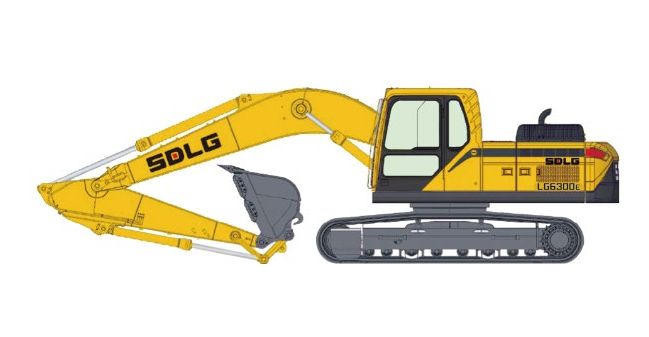 Excavator
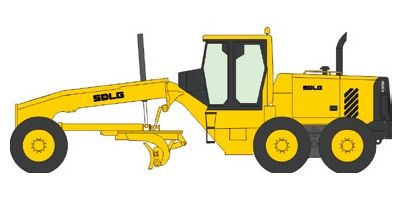 Motor Grader
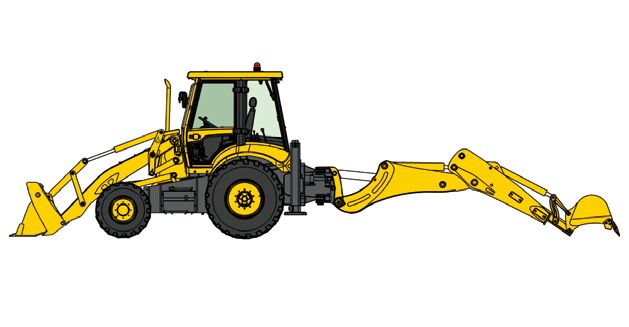 Backhoe Loader
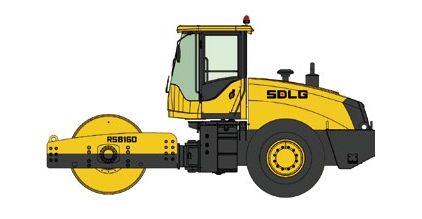 Road Roller
 Spare Parts