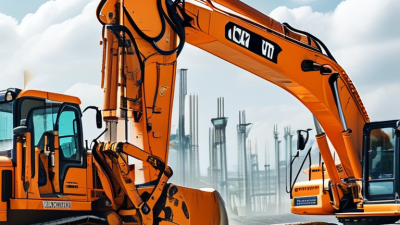
How to Choose the Right Excavator Parts for Your Machine?
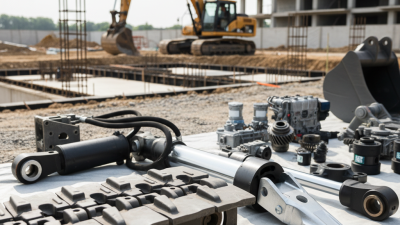
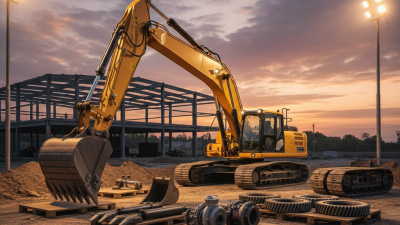
Choosing the right Excavator Parts is more than matching a model number. It affects digging force, fuel use, uptime, operator safety, and long-term repair costs. A worn bucket tooth may seem minor, yet it can increase cycle time and strain the arm. In field maintenance, small mismatches often become expensive failures.
The global construction equipment market remains highly competitive and technically demanding. KHL’s Yellow Table 2024 reported combined sales of approximately US$243.4 billion among the world’s leading construction equipment manufacturers in 2023. This scale shows why parts quality, compatibility, and supplier reliability matter. The Association of Equipment Manufacturers also emphasizes preventive maintenance and lifecycle cost management in construction fleets. These principles apply directly when selecting filters, hydraulic pumps, undercarriage components, seals, and engine parts.
Start with the machine’s exact make, model, serial number, operating hours, and working environment. A part used in rocky quarry conditions may need different durability than one used in soft soil. Check OEM specifications, technical drawings, material grades, warranty terms, and installation requirements. Independent testing and documented quality systems provide stronger evidence than a low online price. ISO 9001 certification can support supplier reliability, but it does not guarantee perfect performance.
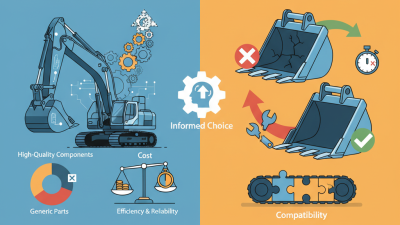
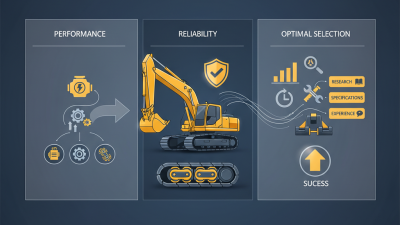
No choice is completely risk-free. Even experienced technicians can overlook hydraulic contamination or incorrect tolerances. That is why inspection records, oil analysis, and failure history should guide the final decision. A dependable Excavator Parts strategy combines verified data, practical experience, and honest evaluation of operating conditions. The cheapest component may not be the economical one. Often, it is only cheaper today.
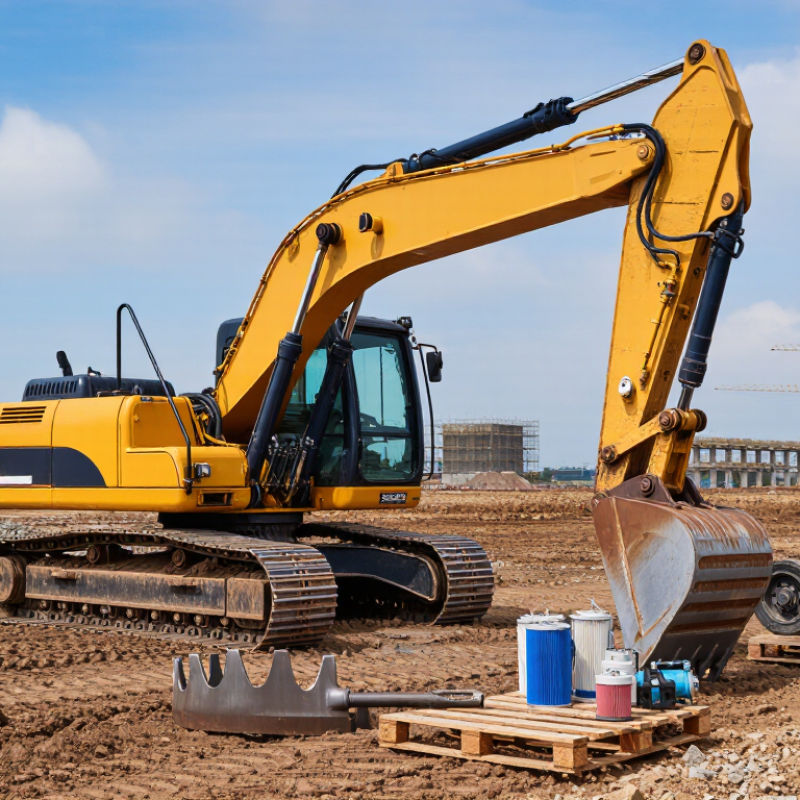
Understanding Excavator Parts and Their Functions
Choosing excavator parts starts with function, not appearance. The engine supplies power, while the hydraulic pump converts that power into flow. Valves control direction and pressure. Cylinders move the boom, arm, and bucket. Undercarriage parts carry the machine across uneven ground. Filters protect these systems from abrasive dust and metal particles. A part may fit physically, yet still have the wrong pressure rating or flow capacity.
14%
CECE’s 2024 Economic Report recorded a 14% decline in European construction equipment sales during 2023. That pressure makes reliable replacement decisions more important. Match every part with the machine model, serial range, operating weight, and working conditions. For rock excavation, bucket teeth and cutting edges need stronger wear resistance. For muddy sites, seals and track components need closer inspection. ISO 4413 provides useful hydraulic safety principles, but it cannot replace the machine’s service manual. I once focused too much on purchase price. That mistake ignored downtime, contamination, and installation labor.
Tips:
Photograph the old part before removal. Record its dimensions, port positions, and markings. Check hydraulic pressure and oil cleanliness before blaming a new component. Replace filters with the correct micron rating. Do not mix seal materials without confirming fluid compatibility. A short fit test helps, but a pressure test is better. The U.S. Department of Energy notes that hydraulic systems can lose substantial energy through leakage and throttling. Small leaks matter. They can stain the ground, heat the oil, and reduce attachment speed. Choosing correctly is sometimes slower than ordering quickly.
Identifying Your Machine’s Model, Specifications, and Operating Needs
How to Choose the Right Excavator Parts for Your Machine?
Identifying your excavator’s exact model is the safest starting point. Record the model code, serial number, production year, engine rating, and hydraulic configuration. Two machines with similar appearances may use different seals, filters, or pumps. Check the service manual and parts diagram before ordering. Guessing is expensive.
Operating conditions matter just as much. Measure hydraulic flow and pressure before selecting a breaker, auger, or auxiliary valve. Consider soil hardness, working temperature, dust, water, and daily operating hours. A high-flow attachment can damage a low-flow circuit. The wrong filter can also restrict oil movement. Small details matter.
The Associated General Contractors’ 2024 Workforce Survey found that 94% of contractors struggled to fill craft positions. This shortage increases the value of clear identification and practical maintenance records. Equipment downtime is harder to absorb when skilled technicians are unavailable. Keep photographs of removed parts and compare connector shapes, bolt patterns, and dimensions. ISO 15143-3 supports standardized machine data sharing, which can improve maintenance decisions when telematics are available. Still, data can be incomplete. I have seen technicians trust an old screen reading more than a physical inspection. That is a mistake worth questioning. Confirm the part’s dimensions, material, compatibility, and warranty conditions before installation. In harsh quarry dust, a standard component may need a more suitable sealing specification.
Matching Parts by Size, Compatibility, and Performance Requirements
Choosing excavator parts starts with the machine’s actual measurements, not a seller’s general description. Record operating weight, attachment class, pin diameter, bushing length, hydraulic flow, and working pressure. A three-millimeter mismatch can create uneven loading at the linkage. It may also accelerate pin and bushing wear.
Off-Highway Research reported approximately 1.1 million construction equipment units sold globally in 2023. That scale increases parts variety, but compatibility remains machine-specific. Match the replacement part with the excavator’s serial range and hydraulic specifications. For buckets, compare pin spacing, ear thickness, capacity, and material density. For pumps, valves, and cylinders, verify flow, pressure, port size, and control response. ISO 6015 provides recognized methods for measuring hydraulic excavator tool forces, helping technicians compare performance claims more reliably.
Field experience still matters. Measure the removed part with calipers, inspect contact surfaces, and photograph hose routing before disassembly. A catalog may list the correct size, yet omit clearance around the boom or quick coupler. That is where mistakes happen. Do not choose the strongest component automatically; excessive weight can reduce lift capacity and increase fuel use. The IEA reported that construction machinery efficiency improvements can reduce energy demand, but real savings depend on operating conditions and maintenance. I once treated a near-identical bushing as interchangeable. It fitted, but the grease channel aligned poorly. The lesson is uncomfortable: size is only one part of compatibility.
Comparing Material Quality, Brands, and Supplier Reliability
Choosing excavator parts is less about a familiar logo and more about evidence. In field repairs, I compare the failed part with the replacement before installation. Weight, machining marks, pin fit, and surface hardness reveal useful clues. A bucket tooth may look identical, yet poor heat treatment can cause early cracking. Forged steel usually handles impact better, while properly cast components can suit less severe applications. Ask for material grades and heat-treatment records. Do not rely on appearance alone. It misleads.
Brand reputation still matters, but it should support, not replace, technical checks. A dependable manufacturer publishes dimensional tolerances, load guidance, and batch traceability. Independent test reports add confidence when working conditions are severe. Compare warranty terms carefully. Some warranties exclude normal wear, installation errors, or unsuitable soil, making a cheap purchase expensive. I have sometimes chosen a lower-priced part after checking its measurements and metallurgy. That choice was reasonable, but not risk-free. Field conditions change.
Supplier reliability often decides whether a repair stays on schedule. Check response times, stock accuracy, packaging, and return procedures before ordering. Ask whether the supplier can identify the factory batch and provide installation guidance. Clear invoices and consistent technical answers show practical control. Keep photos of worn parts, machine hours, and operating conditions. This record improves future comparisons. I still make mistakes when a part looks “close enough.” A tight fit is not optional. Neither is honest documentation.
How to Choose the Right Excavator Parts for Your Machine?
Comparing material quality, brand-neutral specifications, and supplier reliability
Material Quality
Higher hardness can improve resistance to abrasive wear, but toughness, heat treatment, and the part’s working conditions must also be considered.
Brand-Neutral Comparison
Compare steel grade, dimensional accuracy, heat-treatment records, fitment, and warranty terms instead of relying only on a brand name.
Supplier Reliability
Check traceability certificates, delivery performance, technical support, return procedures, and the supplier’s ability to provide consistent batches.
The chart shows typical Brinell hardness ranges for commonly referenced wear-resistant materials. Actual performance depends on composition, heat treatment, part design, soil conditions, and operating practices. Always verify the material certificate and machine fitment before purchasing.
 Wheel Loader
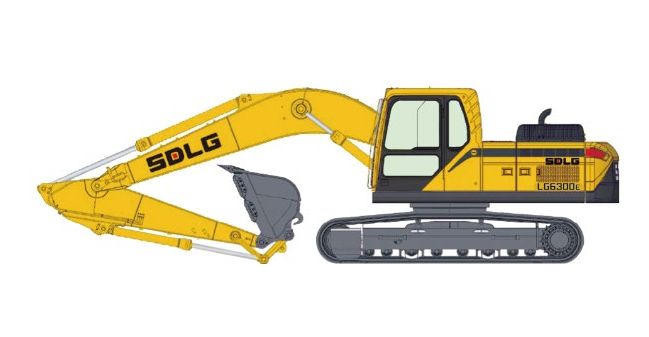 Excavator
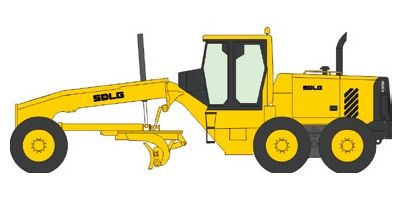 Motor Grader
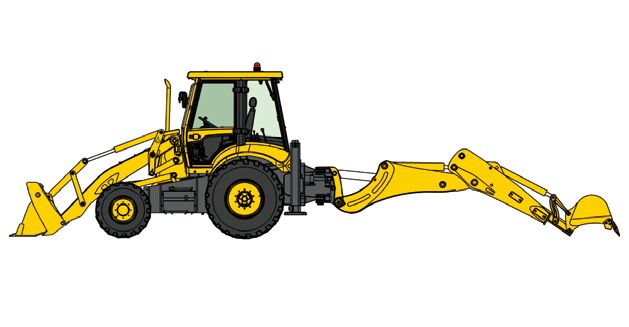 Backhoe Loader
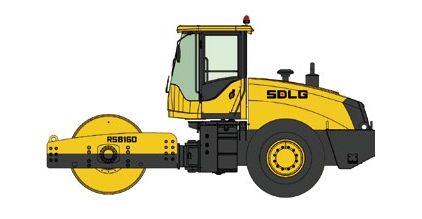 Road Roller
 Spare Parts