How to Operate a Caterpillar Mini Excavator Effectively for Beginners?
Operating a Caterpillar Mini Excavator can be an exciting yet challenging task for beginners. These machines are known for their versatility in various construction and landscaping projects. Learning to handle a Caterpillar Mini Excavator requires practice and patience. With the right techniques, you can maximize efficiency.
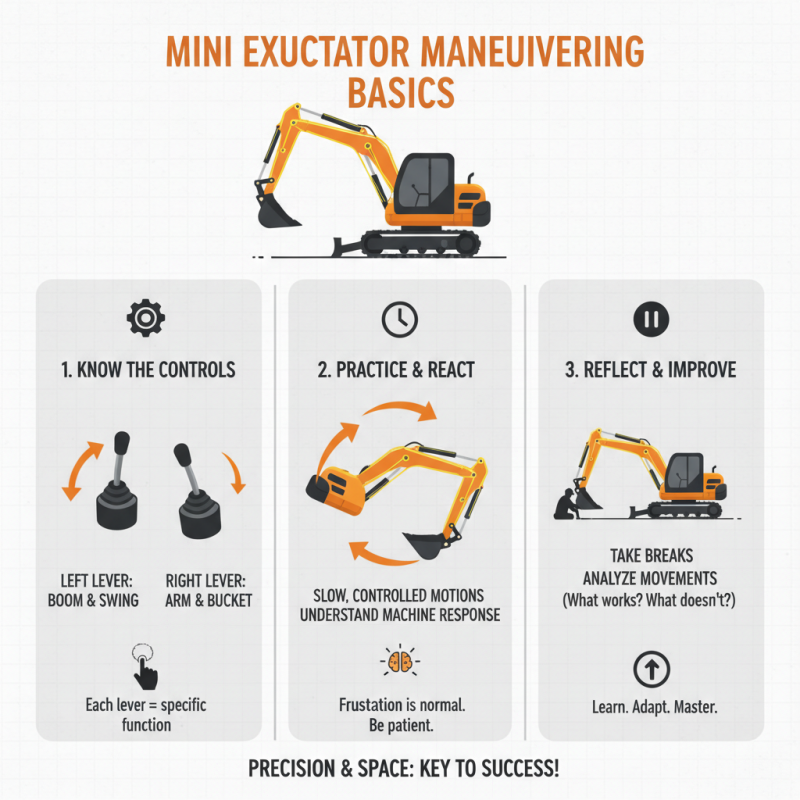
Starting out, it is essential to understand the controls. Each lever and pedal serves a specific function. A novice operator might feel overwhelmed at first. It takes time to develop the coordination needed for smooth operation. Mistakes can lead to errors, but they are also learning opportunities. Reflecting on these moments is crucial for improvement.
As you gain confidence, focus on safety protocols. Always wear appropriate gear and check the machine before use. Properly understanding weight distribution while digging can prevent accidents. Each experience will shape your skills with the Caterpillar Mini Excavator. Embrace the learning curve and keep refining your technique.

Understanding the Basics of Caterpillar Mini Excavators and Their Features
When operating a mini excavator, understanding its basic features is vital. These machines are compact and highly maneuverable. They can operate in tight spaces where larger equipment cannot. The track system allows for stability on various terrains. Learning to control the arm and bucket is crucial for effective digging and lifting.
Tips: Always keep an eye on your surroundings. This machine can swing its arm widely. It can be easy to hit something nearby. Use flags or cones to mark safe zones.
The controls can seem overwhelming at first. Each lever serves a specific function. Take the time to familiarize yourself with them. Practice makes a difference. Consider starting with simple tasks, like moving dirt rather than heavy lifting. This will boost your confidence.
Tips: Don’t rush the learning process. Mistakes will happen, especially in the beginning. Reflect on what went wrong and adjust your techniques accordingly. Assess each job before starting to avoid unnecessary complications. Operating a mini excavator effectively takes patience and practice.
Key Safety Precautions for Operating Mini Excavators Effectively
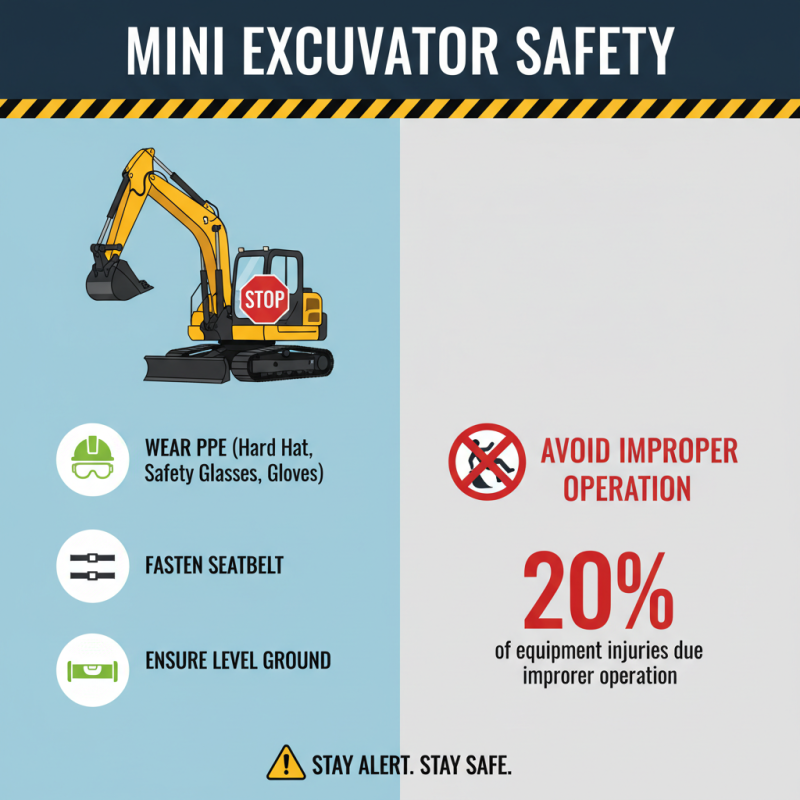
Operating a mini excavator requires attention to safety. Accidents can happen if safety measures are ignored. According to industry reports, about 20% of equipment-related injuries are from improper operation.
Tip: Always wear appropriate personal protective equipment (PPE). This includes hard hats, gloves, and steel-toed boots.
Before starting the excavator, conduct a thorough inspection. Check the hydraulic lines for leaks and ensure that all controls are functioning. A report from the National Safety Council indicates that many accidents could be avoided with proper pre-operation checks.
Tip: Make sure to be aware of your surroundings. Look out for overhead power lines, nearby workers, and other potential hazards. Awareness plays a crucial role in preventing incidents.
Remember, even experienced operators can make errors. Continuous learning is essential. Reflect on past experiences and seek feedback. This mindset leads to safer operations and fewer accidents in the long run.
Essential Controls and Functions of a Caterpillar Mini Excavator
Operating a mini excavator requires understanding its essential controls. Key functions include the boom, bucket, and swing controls. The boom raises and lowers the arm, allowing for precise digging or lifting. The bucket control is critical for scooping materials. It operates by curling or dumping soil, rocks, or debris. Lastly, the swing function helps rotate the entire arm structure, aiding in maneuverability.
Getting used to these controls takes practice. Beginners might struggle with coordination at first. It can be challenging to balance speed and precision. Many find themselves over-controlling the bucket, leading to ineffective scooping. Some may even forget to account for the swing when trying to dig in tight spaces. Any miscalculation can create unwanted messes. Taking breaks to reflect on these mistakes can lead to improvement.
Safety is paramount.
Always be aware of your surroundings before operating. This includes checking for obstacles, people, or other machinery. Beginners often overlook this until it's too late. Understanding blind spots is crucial. Regularly practicing in a safe area helps build confidence and skill. Observation, reflection, and hands-on experience are key to mastering a mini excavator.
Common Mistakes to Avoid When Operating Mini Excavators for Beginners
Operating a mini excavator can be challenging for beginners. Many new operators make common mistakes that can lead to inefficiency or unsafe practices. According to industry reports, nearly 30% of accidents with construction equipment are due to operator error. Understanding these pitfalls is key to safe and effective operation.
One frequent mistake is underestimating the machine's size and its turning radius. Operators often assume they can spin the machine in tight spots, leading to collisions. Additionally, failing to manage the load can cause tipping, which is a significant risk. A report from the National Institute for Occupational Safety and Health indicates that tipping incidents account for 10% of all mini excavator-related injuries.
Another common error is neglecting daily equipment checks. Operators might skip inspecting hydraulic fluids or track conditions, which can result in mechanical failures. Research shows that proper maintenance can extend a machine's lifespan by up to 20%. Beginners may also overlook the importance of knowing the terrain. Lack of awareness about ground conditions can lead to poor stability. Such oversights can tarnish an operator's reputation quickly in a competitive industry.
Common Mistakes to Avoid When Operating Mini Excavators for Beginners

 Wheel Loader
 Excavator
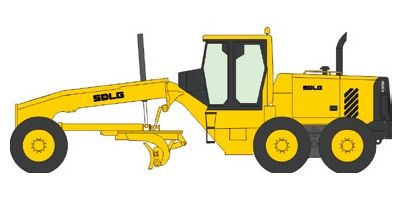 Motor Grader
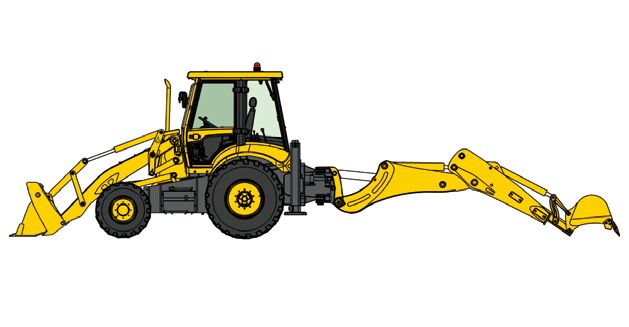 Backhoe Loader
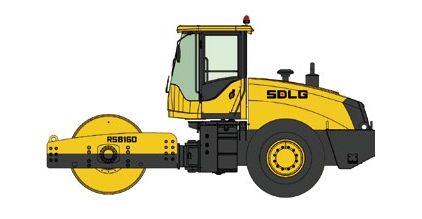 Road Roller
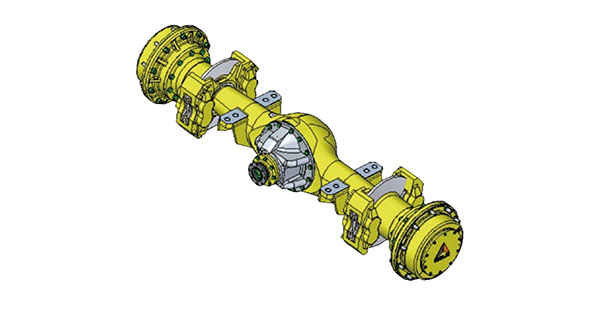 Spare Parts