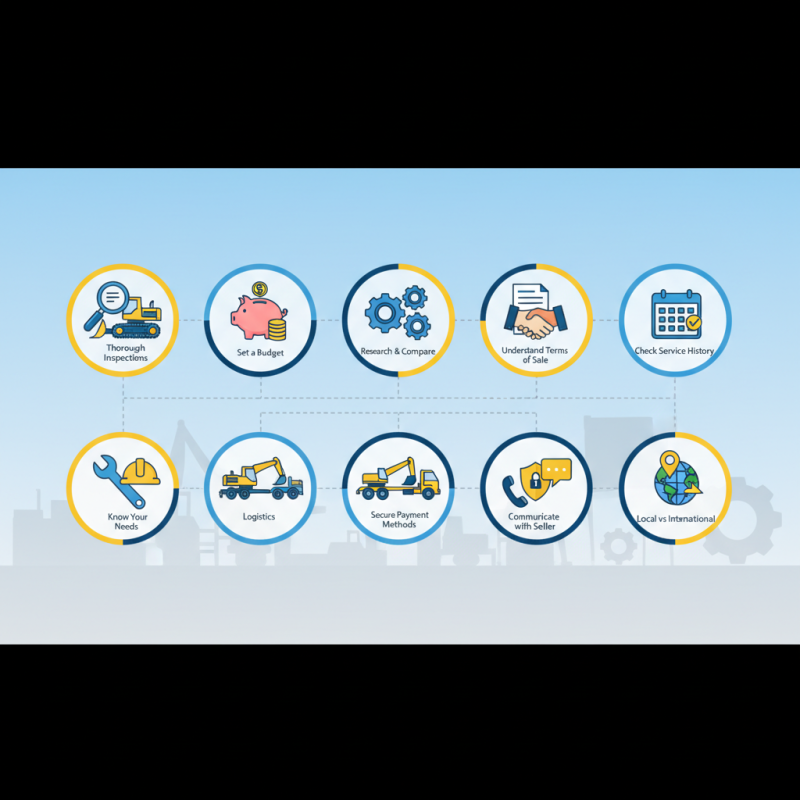
When it comes to purchasing heavy equipment, navigating the marketplace can be a daunting task, particularly for those new to the industry. Utilizing a Heavy Equipment Trader can provide access to a vast range of options, but it’s crucial to approach this process with informed strategies to ensure a successful transaction. This guide presents the top ten tips for buying heavy equipment, offering insights that can help buyers make educated decisions and avoid common pitfalls.
Investing in heavy machinery is a significant financial commitment, and the stakes are high. From understanding the importance of thorough inspections to comprehending the terms of sale, each tip will arm potential buyers with the knowledge necessary to secure reliable equipment. Whether you are a contractor in need of a specific machine or a business looking to expand its fleet, these practical guidelines will empower you to navigate the Heavy Equipment Trader marketplace with confidence. By equipping yourself with the right information, you can streamline the buying process and ensure your investment is both safe and productive.
Understanding the heavy equipment market is crucial for anyone looking to make a purchase on a trader marketplace. According to a recent report by the Associated Equipment Manufacturers (AEM), the global construction equipment market is projected to reach $250 billion by 2025, fueled by increasing investment in infrastructure. This growth is driven by several trends, including the rise in technological advancements and a focus on sustainability. With advancements such as telematics and automation, buyers can now invest in equipment that not only improves efficiency but also reduces environmental impact.
Additionally, the demand for used heavy equipment is on the rise, with a study by Off-Highway Research indicating that nearly 60% of all equipment sales in the industry now involve pre-owned machinery. This trend presents opportunities for buyers to acquire high-quality equipment at lower prices, often with added value from features like certified refurbishment. Understanding these trends allows buyers to make informed decisions and capitalize on the opportunities available in the marketplace. As the market continues to evolve, staying updated on these insights will enhance the purchasing experience and ensure that investments yield the greatest return.
When purchasing heavy equipment from a trader marketplace, evaluating the equipment's condition is paramount. Conducting a thorough inspection is critical to ensure that the machinery is in good working order and free from hidden defects. Potential buyers should look for signs of wear and tear, such as rust, leaks, or excessive vibration during operation. A detailed inspection not only helps in identifying existing issues but also aids in assessing the overall maintenance history of the equipment. Prospective buyers should consider engaging a professional inspector who specializes in heavy machinery to provide an unbiased evaluation.
Certification plays a vital role in validating the quality and safety of heavy equipment. Many traders will offer certified equipment, which indicates that the machinery has been inspected and meets specific industry standards. Buyers should always ask for certification documents, as these can provide reassurance regarding the equipment's reliability and performance. Understanding the certification process can further guide buyers in making informed decisions, fostering confidence in their investment. Ultimately, taking the time to inspect and ensure proper certification can save buyers from unexpected repair costs and operational downtime in the future.
Negotiating prices in the heavy equipment market can significantly impact your overall procurement costs, making it an essential skill for buyers. Industry reports indicate that savvy negotiators can save anywhere from 5% to 20% on their purchases, depending on the equipment's condition and market demand. Understanding the value of the equipment and being prepared with comparable market prices can provide a solid foundation for negotiations. A recent survey from the Heavy Equipment Dealers Association revealed that buyers who conduct thorough market research prior to engaging in negotiations are more likely to secure better deals.
During negotiations, employing effective strategies such as anchoring, where you set a specific price point to start discussions, can be highly beneficial. Additionally, leveraging your willingness to walk away from the deal can create urgency and encourage sellers to reconsider their pricing. According to a report by the Machinery and Equipment Association, 60% of successful negotiators emphasize the importance of communication, actively listening to the seller's perspective while asserting their own requirements. By building a rapport with the seller and displaying genuine interest in the equipment, negotiators can foster a collaborative environment that can lead to favorable terms for both parties.
| Tip No. | Negotiation Strategy | Description | Expected Outcome |
|---|---|---|---|
| 1 | Research Market Value | Investigate comparable models and their prices in the market. | Establish a baseline for negotiation. |
| 2 | Set a Budget | Determine your maximum spending limit before negotiations. | Avoid overspending during the negotiation. |
| 3 | Highlight Equipment Condition | Point out any flaws or maintenance needs in the equipment. | Justify lower offers based on current condition. |
| 4 | Be Willing to Walk Away | Show that you are not desperate to purchase by being ready to leave. | Many sellers will lower prices to keep interested buyers. |
| 5 | Build Rapport with the Seller | Engage in friendly conversation to establish a connection. | Creates a more favorable negotiating atmosphere. |
| 6 | Ask for Extras | Request additional equipment or services as part of the deal. | Improves value without necessarily lowering the price. |
| 7 | Use Timing to Your Advantage | Negotiate during slow sales periods when sellers might be more flexible. | Increases chances of favorable pricing. |
| 8 | Negotiate Payment Terms | Discuss payment methods that might be more beneficial. | Potentially reduces overall cost or improves cash flow. |
| 9 | Confirm Ownership and Validity | Ensure all paperwork is in order and that the seller is legitimate. | Reduces risk of scams or issues post-purchase. |
| 10 | Prepare to Negotiate Hard | Be ready to stand firm on your offers and counteroffers. | Encourages seller flexibility towards your proposal. |
When considering the purchase of heavy equipment, understanding the financing options available is essential.
Various funding solutions cater to different needs, allowing buyers to select what best aligns with their financial situation and project requirements.
Traditional bank loans often offer attractive interest rates but may require substantial collateral and a lengthy approval process.
For those looking for quicker access to funds, equipment financing from specialized lenders can provide faster approvals while securing the machine itself as collateral.
Leasing is another popular option for businesses that prefer not to commit capital upfront.
This allows companies to use the equipment without the burden of ownership, usually with manageable monthly payments.
Additionally, some financial institutions may offer lease-to-own agreements, enabling businesses to eventually purchase the equipment after the lease term.
Furthermore, government-backed loans and grants can be explored, especially for buyers in specific industries or regions, as these can provide favorable terms and lower interest rates, making heavy equipment procurement more accessible.
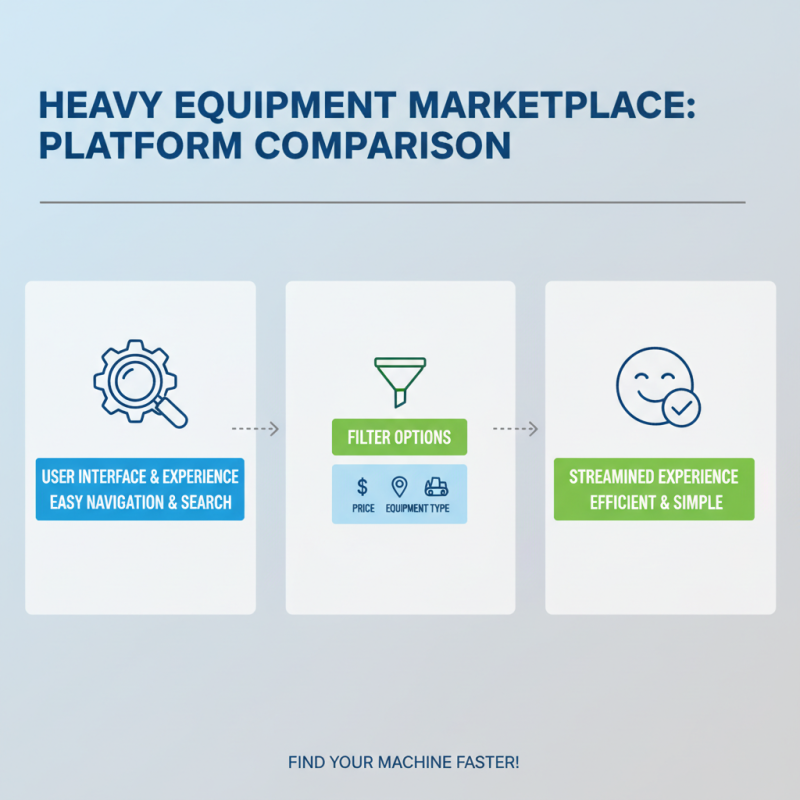
When selecting the right marketplace for purchasing heavy equipment, it’s essential to compare the features offered by leading trader platforms. One of the first aspects to consider is the user interface and experience; a well-designed platform should allow buyers to navigate easily, search for specific equipment, and filter results based on different criteria such as price, location, and equipment type. A streamlined interface enhances the user experience, making it more efficient to find what you need without unnecessary complications.
Another critical feature is the availability of detailed product information. Leading trader platforms should provide comprehensive listings that include specifications, photographs, and even videos of the equipment. This level of detail helps buyers make informed decisions by ensuring they understand exactly what they are purchasing. Additionally, look for platforms that offer verified seller profiles and reviews from previous buyers, as this can significantly reduce the risk of scams and ensure you’re dealing with reputable vendors. Lastly, consider platforms that facilitate communication between buyers and sellers, allowing for questions and negotiations to take place in a secure environment.