Top 10 Construction Machines from China for Global Buyers?
When it comes to construction, efficiency and reliability are crucial. China has emerged as a powerful player in the global market for construction machines. Crafting robust and innovative machinery, Chinese manufacturers have garnered attention worldwide. However, the landscape can be complex. Global buyers need to navigate between quality and cost-effectiveness.
Many construction machines from China showcase advanced technology and durability. They include excavators, loaders, and cranes designed to handle various tasks. Yet, not all manufacturers meet the same standards. Buyers must carefully evaluate the companies on their track records and customer feedback.
In this article, we present a list of the top 10 construction machines from China that have proven to be reliable choices. Each entry highlights unique features that cater to diverse project needs. This can help inform your buying decisions while ensuring that you select machinery that truly meets your requirements.
Top 10 Construction Machines from China for Global Buyers
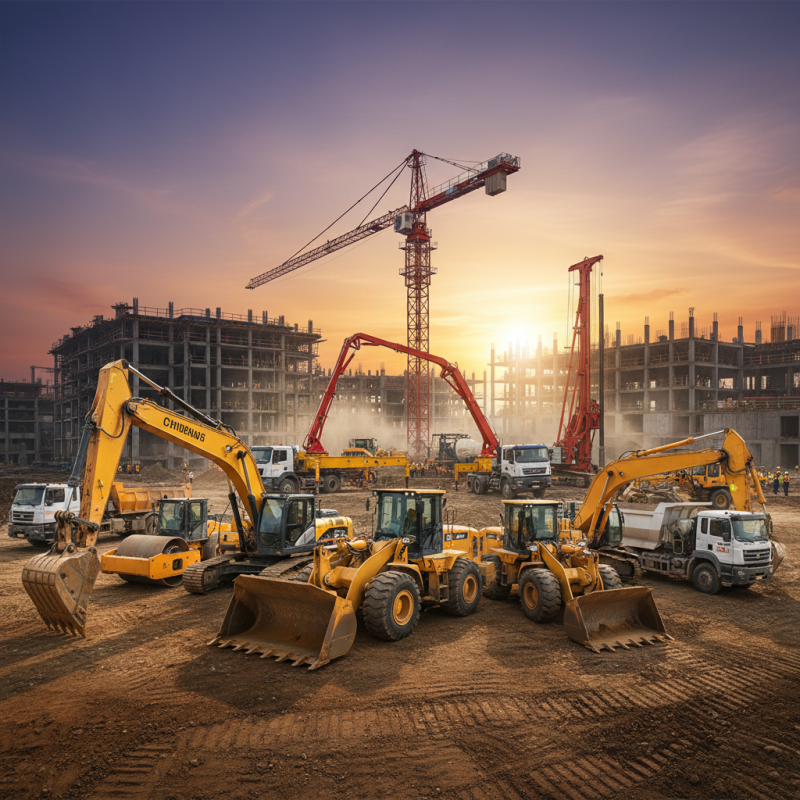
China's construction machinery industry is rapidly evolving, offering advanced solutions for global buyers. Recent reports indicated that the global construction equipment market is projected to reach $200 billion by 2026, with China playing a pivotal role. The variety of machines available showcases the innovation and capability of Chinese manufacturers.
Excavators, bulldozers, and concrete mixers are among the top-selling machines. In 2022, excavator sales in China surpassed 230,000 units, representing a staggering 47% increase from 2021. This growth illustrates the demand for efficient machinery in construction projects worldwide. However, challenges remain, such as fluctuating raw material prices and increasing competition from other regions.
The rise in demand for eco-friendly and energy-efficient equipment has shaped product development. Many manufacturers focus on creating low-emission machines that align with global sustainability goals. Nonetheless, the transition to greener solutions is not without hurdles, including technological limitations and the need for infrastructure upgrades. Addressing these issues will be crucial for maintaining competitiveness in the international market.
Top 10 Construction Machines from China for Global Buyers
| Machine Type |
Specifications |
Engine Power (HP) |
Operating Weight (kg) |
Bucket Capacity (m³) |
| Excavator |
Hydraulic, 4 Wheel Drive |
150 |
6000 |
0.8 |
| Bulldozer |
Track Type, Dozer Blade |
180 |
7000 |
1.5 |
| Backhoe Loader |
Compact, Dual-purpose |
100 |
4500 |
0.6 |
| Concrete Mixer |
Drum Type, Mobile |
75 |
3000 |
0.4 |
| Telescopic Loader |
Multi-function, Reach |
90 |
4000 |
0.5 |
| Road Roller |
Single Drum, Vibratory |
110 |
3200 |
N/A |
| Crane |
Mobile, 360° Rotation |
200 |
8000 |
3.0 |
| Forklift |
Counterbalance, Electric |
50 |
3000 |
1.2 |
| Dump Truck |
Heavy-duty, Tipper |
300 |
12000 |
10.0 |
| Paver |
Tracked, High-precision |
120 |
5000 |
N/A |
Overview of China's Construction Machinery Industry Growth
China's construction machinery industry has seen notable growth over the past few years. This growth is supported by rapid urbanization and increased infrastructure investment. Chinese manufacturers are emphasizing innovation and efficiency. They are producing machines that meet global standards. However, the industry also faces challenges in quality control and after-sales service.
The government's support plays a crucial role in this expansion. Incentives for technology development encourage firms to enhance their products. Yet, competition in the market is fierce. Many companies struggle to maintain a robust reputation. Some machinery may not meet the exact needs of foreign buyers, leading to mixed reviews. Constant improvement is essential for these manufacturers to succeed internationally.
As construction demands rise globally, Chinese companies must adapt. They need to focus on durability and reliability. Understanding customer feedback is vital for progress. Balancing cost-effectiveness with high-quality production remains a challenge. Therefore, a careful approach to innovation can secure their position in the global market.
Key Features and Innovations in Chinese Construction Equipment
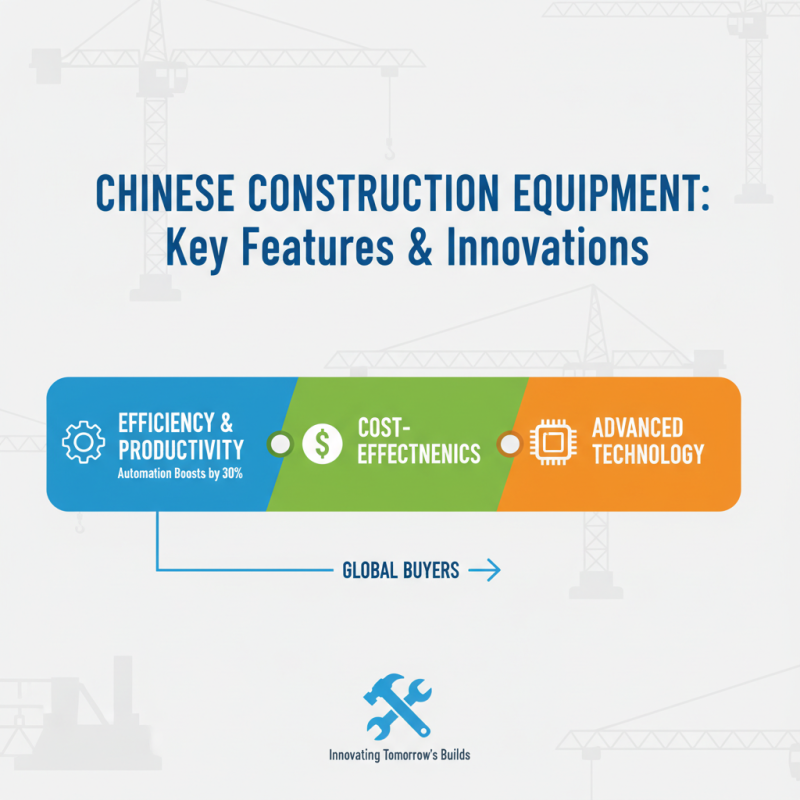
The construction equipment industry in China boasts innovations that cater to global buyers. Key features focus on efficiency, cost-effectiveness, and advanced technology. Automation has become a centerpiece. Reports show that automation can boost productivity by nearly 30%.
Heavy machinery now includes IoT (Internet of Things) capabilities. This allows for real-time monitoring of equipment performance. For instance, predictive maintenance can prevent costly downtimes. Statistics reveal that downtime can account for up to 15% of a project’s budget.
Tips: When selecting machinery, consider features like fuel efficiency and operator comfort. These can significantly influence operational costs. Investing in advanced machines pays off in the long run. Also, explore after-sales support. Reliable service can minimize disruptions and ensure safety. Manufacturers need to reflect on their sustainability practices. Sustainable design can lead to significant operational advantages.
Market Demand: Global Trends in Construction Machinery Procurement
The global construction machinery market is experiencing significant shifts. Buyers today seek advanced technology and efficiency. Factors like sustainability and cost-effectiveness now drive procurement decisions. Understanding these trends is essential for global buyers aiming to stay competitive.
In various regions, there’s a growing demand for eco-friendly machines. Buyers are increasingly looking for machinery with lower emissions and energy-efficient systems. However, not all Chinese manufacturers prioritize these features. Some firms still focus primarily on cost over sustainability. This can lead to challenges in meeting the evolving standards set by buyers in markets like Europe and North America.
Buyers are also concerned about service and support. Reliable after-sales service adds value to machinery procurement. However, some manufacturers lack strong support networks overseas. This leaves buyers uncertain after purchase. Addressing these gaps is crucial for manufacturers looking to capture global market share. Embracing feedback and adapting to changing buyer needs can enhance their offerings significantly.
Comparative Analysis: Chinese Machines vs. Competitors Worldwide
In the global construction industry, Chinese machines are gaining significant attention. A report by MarketsandMarkets indicates that the construction equipment market is projected to reach $210 billion by 2025. This growth is partly fueled by Chinese manufacturers focusing on innovation and quality improvements. Notably, machinery from China is often more cost-effective than that of its competitors. This price advantage appeals to global buyers seeking to optimize their budgets.
However, there are concerns regarding quality and durability. A comparative analysis shows that while Chinese machines can match the performance of Western brands, some may lack advanced technology features. This raises questions about long-term operational efficiency and maintenance costs. For buyers, understanding machine specifications is crucial.
Tip: Always request detailed performance metrics before purchasing. Tracking equipment longevity can identify trends in reliability.
Furthermore, the support infrastructure for repairs and parts availability is an area for reflection. Some regions may lack robust service networks for Chinese machinery, potentially leading to downtime. Understanding local service options is essential for any buyer looking to invest in new equipment.
Tip: Consider regional support services as a key factor. It may impact your return on investment significantly.
Top 10 Construction Machines from China for Global Buyers
Conclusion
The article titled "Top 10 Construction Machines from China for Global Buyers" explores the rapid growth of China's construction machinery industry and highlights the key features and innovations that distinguish these machines in the global market. With a strong emphasis on technological advancements, Chinese construction machines have gained popularity due to their efficiency, reliability, and cost-effectiveness.
Furthermore, the article analyzes the current market demand and global trends in construction machinery procurement, emphasizing the competitive edge of Chinese machines over their international counterparts. Through compelling case studies of successful deployments abroad, the article illustrates how these construction machines have made significant impacts on various projects, showcasing their growing acceptance and trust among global buyers.

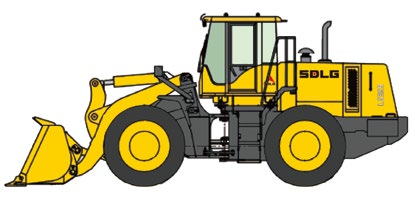 Wheel Loader
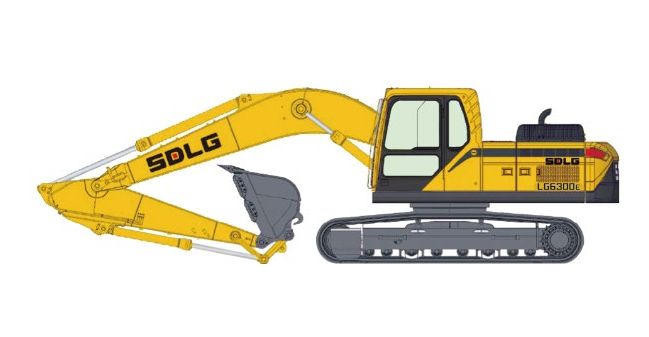 Excavator
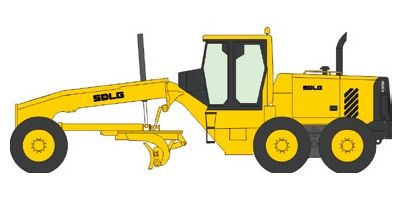 Motor Grader
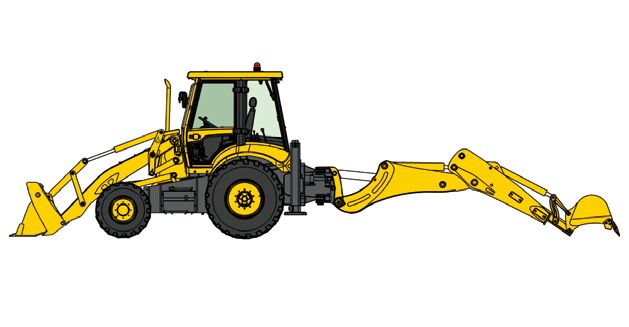 Backhoe Loader
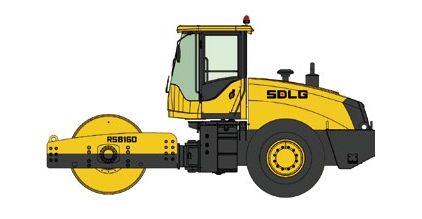 Road Roller
 Spare Parts