Top Construction Vehicles to Watch for in 2025 and Their Impact on the Industry
The construction industry is on the cusp of a significant transformation, driven by advancements in technology and innovative machinery. As we approach 2025, the spotlight is increasingly on the new generation of construction vehicles that promise to redefine productivity, efficiency, and safety on job sites. These cutting-edge machines are not merely enhancements of their predecessors; they integrate smart technologies, sustainability features, and automation, making them pivotal to the construction landscape of the future.
Construction vehicles are evolving to meet the rising demands of modern infrastructure projects, reflecting the industry's commitment to embracing eco-friendly practices and smart construction techniques. With the integration of IoT devices, these vehicles enable real-time data collection and analysis, empowering operators to make informed decisions that enhance operational efficiency. Additionally, the shift towards electric and hybrid construction vehicles represents a crucial step in reducing carbon emissions and operational costs, ensuring that the industry aligns with global sustainability goals.
As we explore the top construction vehicles to watch for in 2025, it is essential to understand their anticipated impact on the industry. From improved safety features and operator ergonomics to advancements in automation, these vehicles are set to enhance overall project outcomes. As the construction sector continues to adapt and innovate, the vehicles that emerge in the coming years will play a critical role in shaping a more resilient and sustainable future for construction.

Key Attributes of Top Construction Vehicles in 2025
As we look ahead to 2025, the construction vehicle industry is set to experience transformative advancements that will significantly enhance operational efficiency and productivity. Key attributes of the top construction vehicles expected in this year will include automation, sustainability, and connectivity. According to recent industry reports, the integration of IoT technology is predicted to increase vehicle utilization rates by up to 20%, allowing for real-time tracking of machinery usage and maintenance needs. This trend will not only improve project timelines but also contribute to cost-efficiency.
Another critical attribute is the emphasis on eco-friendly technologies. A study from the Construction Equipment Manufacturers Association highlights that by 2025, approximately 30% of construction vehicles will be powered by alternative fuels or hybrid systems. These vehicles will produce lower emissions, aligning with global sustainability goals, ultimately making construction operations greener and reducing their carbon footprint.
**Tips:** When considering equipment investments, prioritize vehicles equipped with smart technology and eco-friendly alternatives to ensure long-term benefits. Additionally, regular training for operators on these advanced technologies can further enhance safety and efficiency on job sites. Staying updated on the latest innovations will position companies to capitalize on competitive advantages in the evolving construction landscape.
Top Construction Vehicles to Watch for in 2025 and Their Impact on the Industry
| Vehicle Type |
Key Attributes |
Expected Impact |
Technological Innovations |
| Excavator |
Enhanced hydraulic systems, improved fuel efficiency |
Reduced operating costs, increased productivity |
Automation, AI for site analysis |
| Bulldozer |
Advanced GPS systems, ergonomic design |
Better accuracy, enhanced operator comfort |
Remote operation capabilities |
| Crane |
Smart load monitoring, high lifting capacity |
Increased safety, enhanced lifting performance |
IoT connectivity, predictive maintenance |
| Dump Truck |
Improved payload capacity, eco-friendly engine |
Lower emissions, cost-effective hauling |
Electric and hybrid options |
| Concrete Mixer |
Advanced mixing technology, real-time monitoring |
Improved material consistency, reduced waste |
Automation in mixing and pouring processes |
Emerging Technologies Shaping the Future of Construction Equipment
Emerging technologies are reshaping the landscape of construction equipment, heralding a new era of efficiency and safety in the industry. Automation plays a pivotal role, with advancements in robotics and artificial intelligence streamlining operations and reducing the need for manual labor.
Autonomous vehicles equipped with sophisticated sensors and software are capable of navigating job sites independently, minimizing human error and increasing productivity. These innovations not only enhance operational efficiency but also promote safer working environments by reducing the potential for accidents.
Moreover, the integration of IoT (Internet of Things) technology into construction vehicles is transforming data management in real time.
Equipment can now communicate vital information regarding performance and maintenance needs, enabling proactive management and minimizing downtime. This connectivity allows project managers to optimize resource allocation and monitor project progression more effectively, ultimately leading to cost savings and improved project timelines. As these technologies continue to develop, they promise to deliver smarter, more sustainable solutions that will drive the future of construction forward.
The Role of Sustainability in Construction Vehicle Development
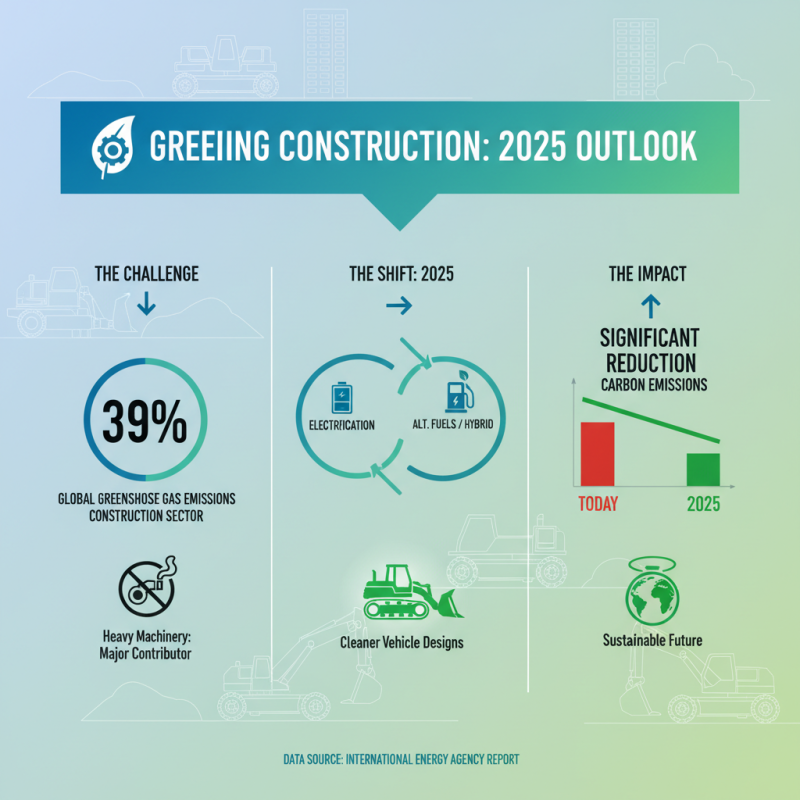
As the construction industry continues to evolve, sustainability is becoming a pivotal factor in the development of construction vehicles. By 2025, the implementation of eco-friendly technologies is predicted to significantly reduce carbon emissions in construction activities. According to a recent report by the International Energy Agency, it is estimated that the construction sector accounts for nearly 39% of global greenhouse gas emissions, with heavy machinery contributing a substantial portion. In response, manufacturers are increasingly prioritizing electrification, hybrid systems, and alternative fuels in their vehicle designs to meet stricter environmental regulations.
Investments in sustainable practices are driving a major shift within the industry. A study by Grand View Research indicates that the green construction market is expected to reach $364 billion by 2025, demonstrating a growing recognition of sustainability among construction firms. Enhanced vehicle efficiency, coupled with the integration of smart technologies, not only aims to minimize environmental impact but also improves operational productivity. These advancements include telematics systems that monitor fuel usage and maintenance, optimizing both performance and sustainability. As companies adapt to these new technologies, the emphasis on reducing the carbon footprint of construction vehicles will likely reshape industry standards and practices, leading to a greener and more efficient construction landscape.
Impact of Automation and AI on Construction Vehicle Efficiency
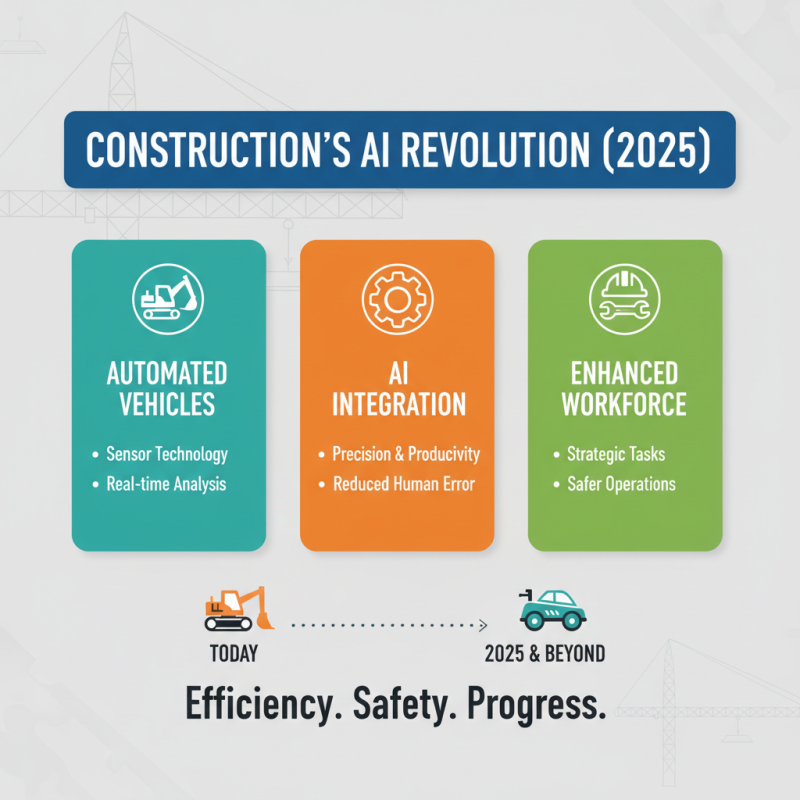
The construction industry stands on the brink of a technological revolution, with automation and artificial intelligence (AI) poised to reshape the efficiency of construction vehicles by 2025. By integrating advanced AI systems into heavy machinery, construction companies are expected to achieve unprecedented levels of precision and productivity. Automated vehicles equipped with sensor technology can analyze their surroundings in real-time, enabling them to make autonomous decisions that improve safety and reduce human error. This capability not only streamlines operations but also enhances the role of workers, allowing them to focus on more strategic tasks while leaving repetitive or dangerous jobs to machines.
Furthermore, the application of AI in construction vehicles will lead to improved resource management and significantly lower operational costs. AI algorithms can optimize vehicle routes, monitor fuel efficiency, and predict maintenance needs, thus minimizing downtime. As a result, fleets will operate more smoothly, and project timelines will be shortened, contributing to overall project profitability. This shift towards smarter, more autonomous vehicles will not only transform the machinery used in construction but also revolutionize industry standards, pushing companies to adapt and innovate for future challenges.
Market Trends and Predictions for Construction Vehicles by 2025
The construction vehicle market is expected to witness transformative shifts by 2025, driven largely by technological advancements and a growing emphasis on sustainability. According to a report by Market Research Future, the global construction equipment market is projected to grow at a compound annual growth rate (CAGR) of approximately 5.6% between 2020 and 2025. This increase is anticipated to be fueled by the rising demand for construction in emerging economies, where infrastructure development is critical.
One of the notable trends is the adoption of electric and hybrid construction vehicles. The push for reduced carbon emissions and enhanced energy efficiency is driving equipment manufacturers to innovate in this space. A report by Allied Market Research indicates that the electric construction vehicle market alone could reach over $27 billion by 2025, accounting for a significant portion of the overall sector. This shift not only aligns with global sustainability goals but also addresses operational costs for construction companies.
Additionally, automation and remote operation technology are set to revolutionize the construction landscape. According to a study by Research and Markets, the implementation of autonomous vehicles in construction is expected to expand exponentially, with forecasts showing an estimated CAGR of 14% from 2021 to 2025. This technological leap promises to enhance productivity, improve workplace safety, and reduce labor costs, positioning companies to respond more agilely to market demands.
Top Construction Vehicles to Watch for in 2025

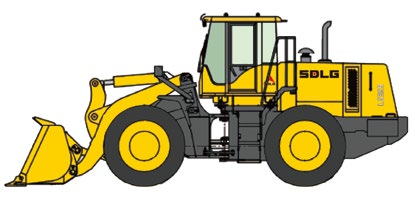 Wheel Loader
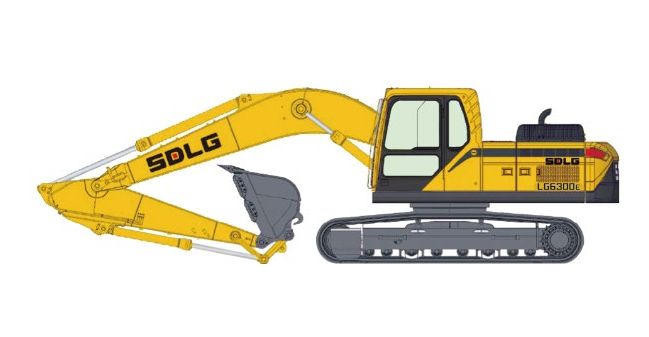 Excavator
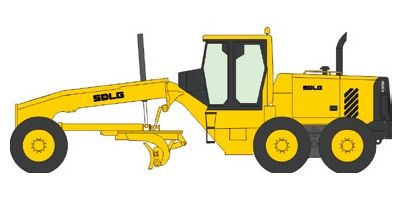 Motor Grader
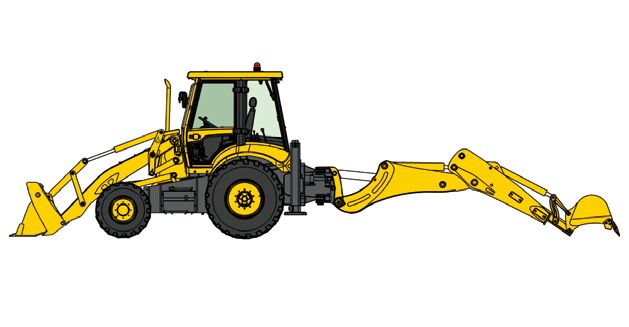 Backhoe Loader
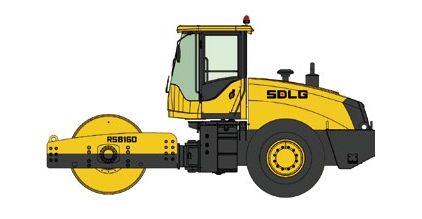 Road Roller
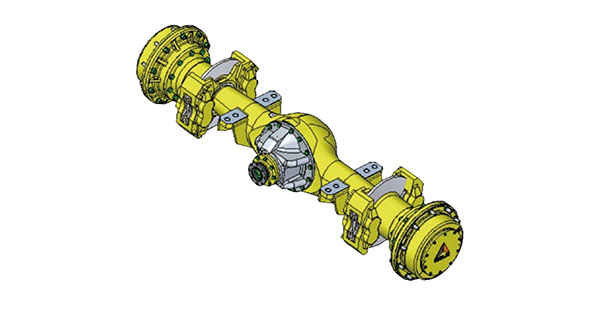 Spare Parts