Top 10 Earth Moving Equipment Tips for Buyers Today
When it comes to investing in Earth Moving Equipment, buyers face unique challenges. The right machinery can significantly impact project efficiency and overall success. Yet, many buyers overlook essential aspects of their purchase. Having firsthand experience in the industry is crucial. It ensures that decisions are made with insight and caution.
Understanding the various types of Earth Moving Equipment available is vital. Each machine has its strengths and weaknesses. For example, excavators excel in digging but may not be suited for all terrain. By recognizing specific needs, buyers can avoid costly mistakes. Reliability and performance should never be compromised.
Furthermore, seeking advice from experts can provide added confidence. Partnering with seasoned professionals can enhance the buyer's understanding of market trends and equipment capabilities. This insight is invaluable in making informed choices. As the equipment market evolves, staying educated is necessary to remain competitive. Ultimately, a thoughtful approach can lead to successful machinery investments and optimized project outcomes.
Top 10 Essential Earth Moving Equipment Types for Construction Projects
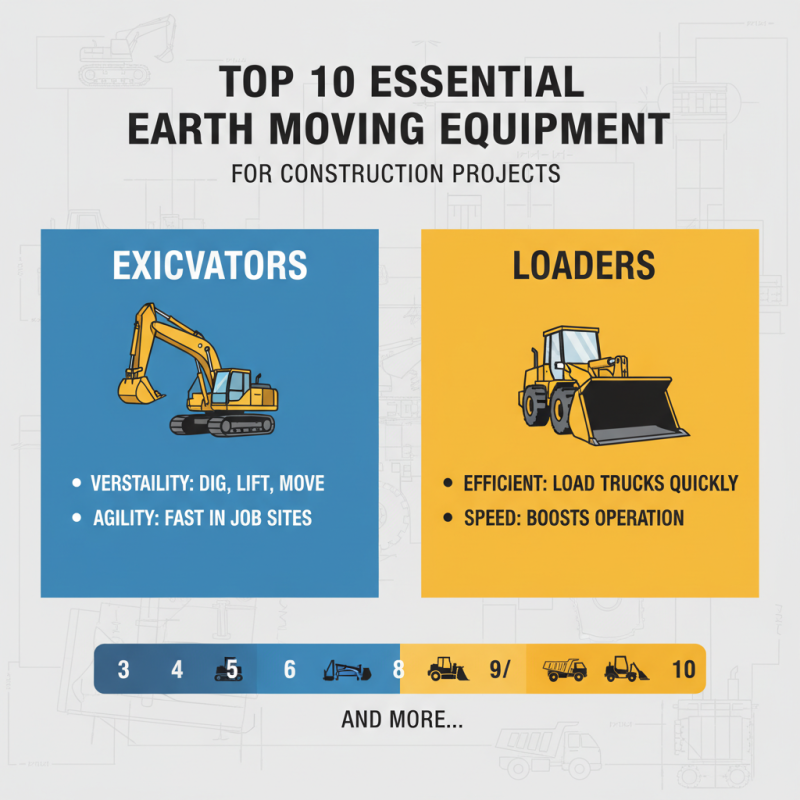
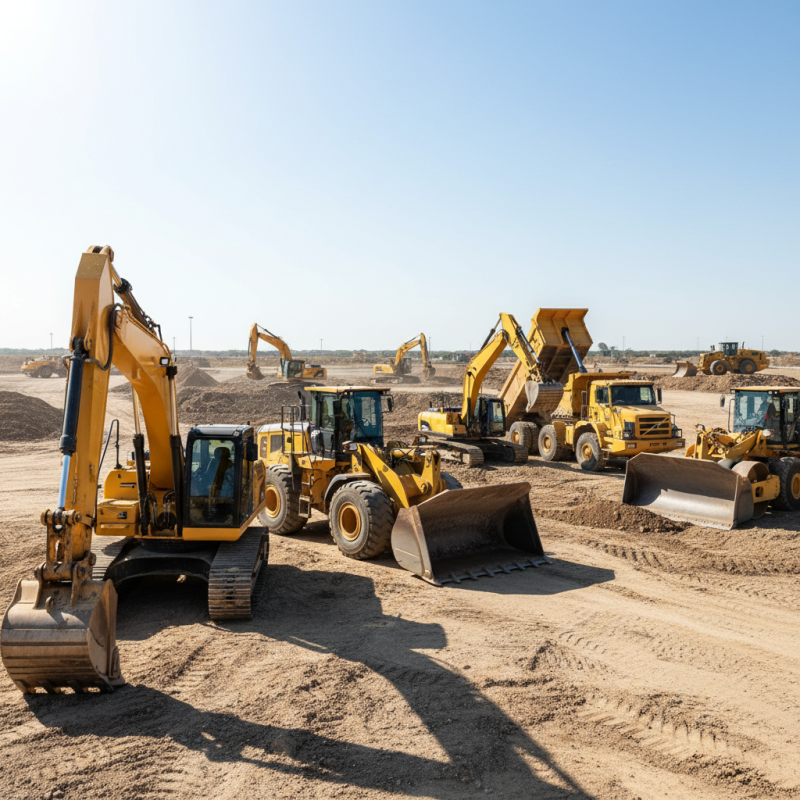
When considering earth moving equipment for construction projects, it's crucial to know the essential types available. Excavators stand out for their versatility. They can dig, lift, and move large amounts of material. In busy job sites, their agility is a great advantage. Loaders are another key piece. They excel in loading trucks or moving earth quickly. A good loader can significantly speed up any operation.
Tips for buyers include evaluating specific project needs carefully. Each piece of equipment serves a unique purpose. If you choose poorly, it could lead to delays and increased costs. Consider the maintenance requirements too. Some machines have high upkeep costs which can affect your budget. It's wise to think long-term rather than just the initial price.
Dump trucks also play an essential role. They transport materials safely and efficiently. The right size can make a significant difference. Moreover, bulldozers are indispensable when leveling land. They can push large volumes of soil quickly. Always analyze your job site before making choices. The equipment should fit the terrain and project scale. This tailored approach enhances efficiency. Each choice must align closely with your project's needs.
Key Features to Consider When Buying Earth Moving Equipment Today
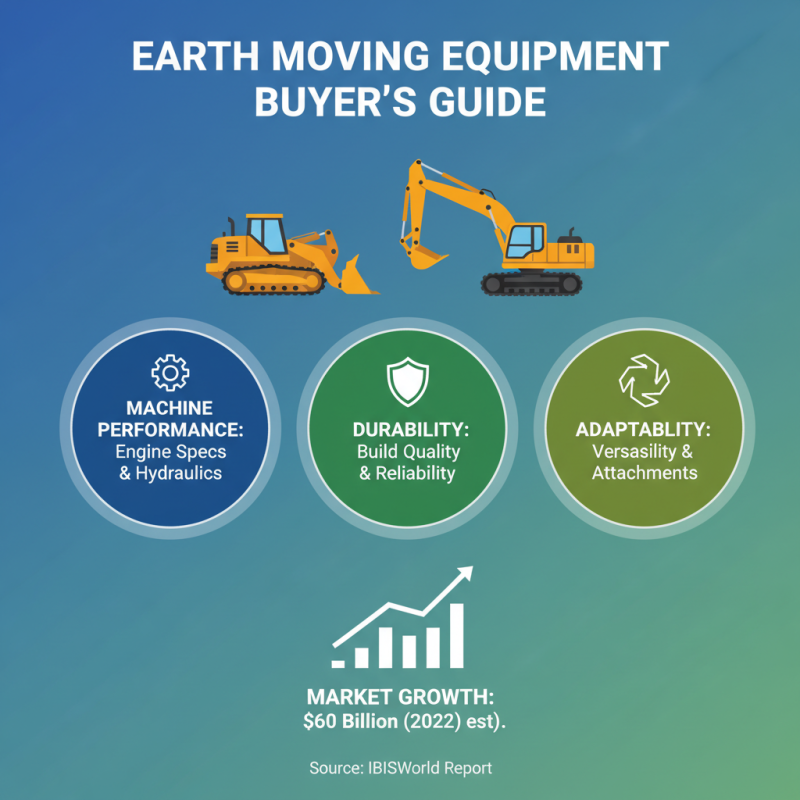
When buying earth moving equipment, understanding key features is essential. The selection process demands careful consideration of machine performance, durability, and adaptability. A report by IBISWorld indicates that the earth moving equipment market reached approximately $60 billion in 2022 and is projected to grow steadily. Buyers should analyze engine specifications and hydraulic system efficiency as they directly affect productivity and operational costs.
Another vital feature involves the equipment's versatility. Many construction projects require different attachments. Equipment that can easily switch between a bucket and a rake can significantly enhance efficiency. Additionally, safety features like roll-over protection and operator aids are crucial. According to OSHA, equipment-related incidents can be severe, underscoring the importance of investing in reliable machines.
Maintenance records are also essential in evaluating equipment reliability. A lack of proper documentation may indicate future risks. Buyers should request maintenance logs to assess the history of the machinery. Ensuring operational reliability cannot be overlooked. Buyers tend to assume that all machines are ready for immediate use, which can lead to unexpected downtime. Understanding these aspects will aid buyers in making informed decisions.
Understanding Equipment Maintenance: Lifespan and Repair Costs
Understanding the maintenance of earth-moving equipment is essential. The lifespan of such machinery can vary significantly. Generally, a well-maintained excavator can last around 10,000 to 12,000 hours. Neglect can lead to premature wear and sudden failures. Regular maintenance is crucial to ensure longevity.
Repair costs can be significant. Minor issues can quickly escalate into major repairs if not addressed. Routine checks are necessary to identify problems early. An operator should inspect the hydraulic systems, tracks, and engines regularly. Keeping spare parts on hand may reduce downtime. Sometimes, investing in better training for operators can mitigate risks effectively.
Choosing the right equipment also involves considering maintenance costs. Buyers should research not just upfront prices but also long-term expenses. Hidden issues often arise from a lack of knowledge. Equipment should be evaluated with a focus on its maintenance history. Understanding this aspect can guide smarter purchasing decisions and enhance overall efficiency.
Top 10 Earth Moving Equipment Tips for Buyers Today
| Equipment Type |
Average Lifespan (Years) |
Average Repair Costs per Year ($) |
Maintenance Frequency (Times/Year) |
| Excavator |
10 |
2500 |
6 |
| Bulldozer |
12 |
3000 |
5 |
| Backhoe Loader |
8 |
2000 |
5 |
| Loader |
10 |
1800 |
4 |
| Grader |
14 |
3500 |
3 |
| Dump Truck |
10 |
2000 |
4 |
| Compactor |
8 |
1500 |
6 |
| Skid Steer Loader |
7 |
1200 |
5 |
| Telehandler |
12 |
2200 |
4 |
| Asphalt Paver |
10 |
2700 |
3 |
Evaluating Safety Standards and Regulations in Earth Moving Machinery
When considering earth moving equipment, safety standards are paramount. Buyers should evaluate the machinery’s compliance with local safety regulations. This ensures not just the safety of the operator, but also the surrounding workforce. Inspecting safety features is crucial. Look for robust guarding mechanisms and emergency stop buttons. These features help to prevent accidents and reduce potential hazards on the job site.
Another aspect is operator training. Equipment should come with clear guidelines on how to use safety features. This could include manuals or on-site training. A lack of proper training can lead to misuse and accidents. Furthermore, buyers may want to consider the equipment’s maintenance history. Machines that are regularly serviced tend to comply better with safety standards. However, not all sellers provide transparent records. This can lead to uncertainties about the equipment’s safety.
As technology advances, so do safety standards. Newer machinery often integrates advanced safety systems, such as sensors and alarms. Although these innovations significantly enhance safety, they can also introduce complexities. Operators need adequate training to manage these systems effectively. Balancing cutting-edge technology with practical safety measures remains a dilemma for buyers today.
Financing Options: What Buyers Should Know About Leasing vs. Buying
When considering financing options for earth moving equipment, buyers face a key decision: leasing or buying? Each option presents unique advantages and challenges. Leasing typically requires lower upfront costs, making it attractive for those with tight budgets. However, it often leads to multiple payments over time. Buyers should assess their long-term needs and consider the total cost of ownership.
It’s also vital to research financing sources. Banks may offer competitive rates, but they're not the only avenue. Some manufacturers may provide favorable financing terms. Comparing multiple offers can reveal better options.
One useful tip is to carefully evaluate your usage needs. If equipment will be used for a short-term project, leasing may be more practical. For long-term use or projects requiring specific machines, purchasing can be a wise move. Lastly, always read the fine print. Hidden fees or unclear terms can create unexpected financial burdens. Making informed choices will ensure your investment pays off.
Top 10 Earth Moving Equipment Financing Options: Leasing vs. Buying

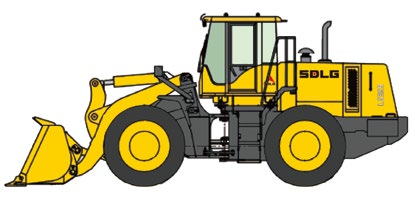 Wheel Loader
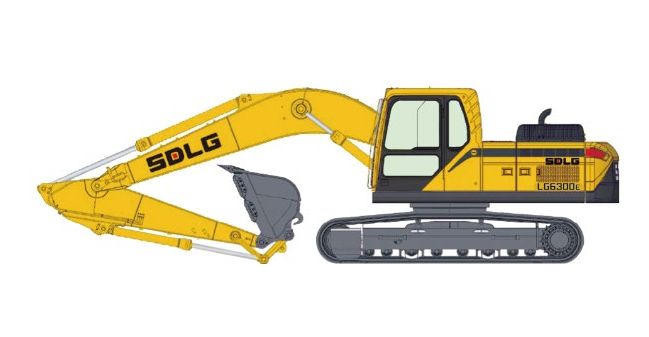 Excavator
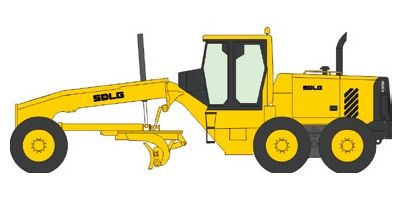 Motor Grader
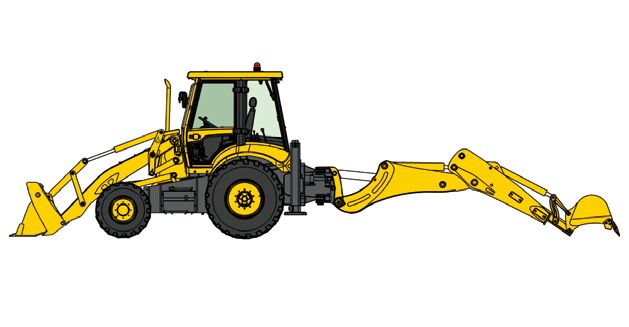 Backhoe Loader
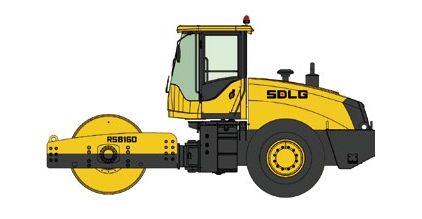 Road Roller
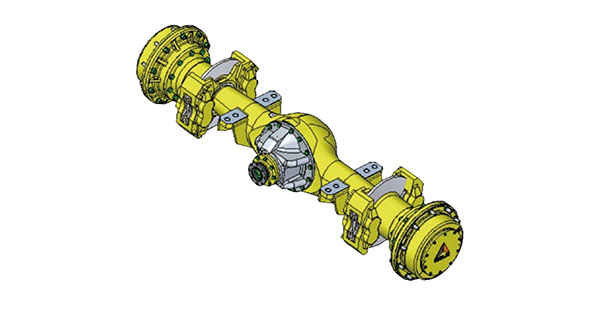 Spare Parts