2025 Top Trends in Heavy Equipment and Their Impact on the Industry
In the ever-evolving landscape of construction and engineering, heavy equipment stands as a cornerstone of productivity and efficiency. The advancements expected in the heavy equipment sector by 2025 are poised to reshape how industries operate, influencing everything from project timelines to workforce dynamics. As technological innovations such as automation, artificial intelligence, and sustainable practices begin to take center stage, the implications for safety, cost reduction, and environmental impact cannot be understated.
Understanding the top trends in heavy equipment is essential for industry stakeholders who wish to remain competitive in a rapidly changing environment. By embracing these trends, companies can enhance their operational capabilities, improve the reliability of their machinery, and ultimately drive greater profitability. Furthermore, the integration of digital solutions with heavy equipment will provide managers with unprecedented insights and control over their machinery, paving the way for smarter decision-making and increased efficiency within the sector.
As we delve into the anticipated trends for 2025, it becomes clear that the heavy equipment industry is not just adapting to change; it is actively leading it. By aligning with these trends, businesses can harness the potential of heavy equipment to build a more robust and sustainable future, ensuring that they are well-prepared for the challenges and opportunities that lie ahead.
Emerging Technologies in Heavy Equipment for 2025
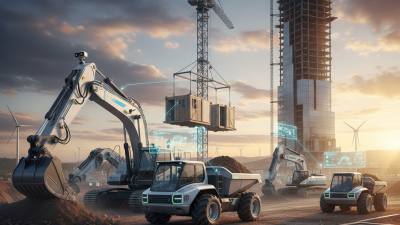
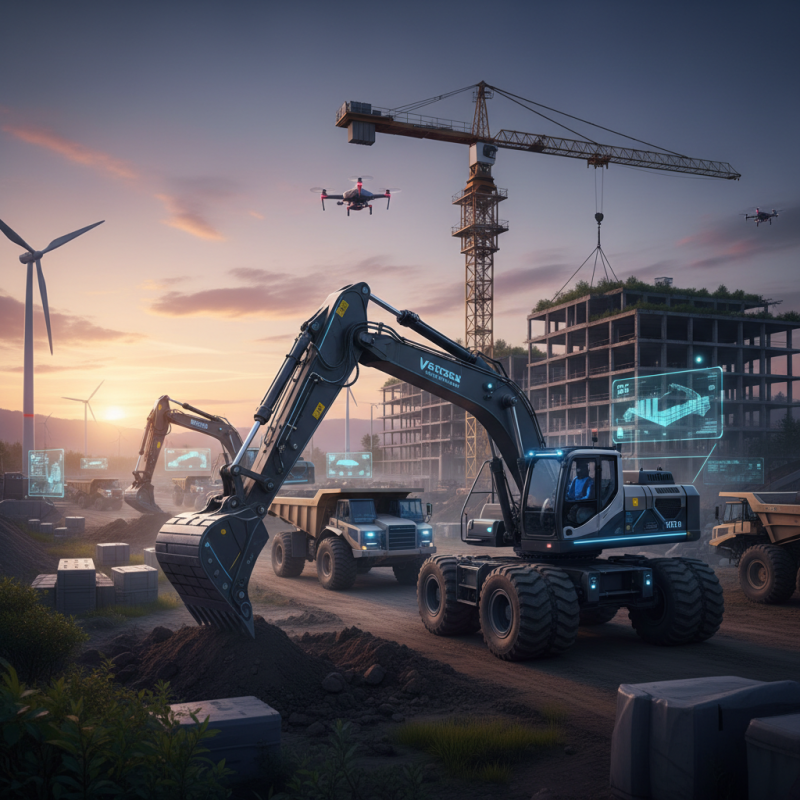
As we move towards 2025, the heavy equipment industry is poised to undergo significant transformations driven by emerging technologies. One prominent trend is the integration of automation and robotics in heavy machinery. This evolution not only enhances operational efficiency but also addresses the labor shortage issue prevalent in the industry. Automated excavators, bulldozers, and cranes are becoming more common, enabling manufacturers to optimize productivity while reducing the risk of human error on job sites.
Another critical area of technological advancement is the implementation of IoT (Internet of Things) and AI (Artificial Intelligence) within heavy equipment. IoT-enabled devices allow for real-time monitoring of machinery, providing operators with essential data on performance and maintenance needs. This predictive maintenance approach helps reduce downtime and operational costs. AI applications can facilitate smarter decision-making processes, such as route optimization and predictive analysis for equipment usage, ultimately boosting overall efficiency and sustainability within the sector. By embracing these technologies, the heavy equipment industry is not only improving its operational capabilities but also paving the way for a more sustainable future.
Sustainability Trends Shaping the Heavy Equipment Sector
As the heavy equipment industry evolves, sustainability trends are at the forefront, shaping practices and influencing decision-making. The push towards greener technologies is driving manufacturers to innovate more eco-friendly machines that reduce emissions and energy consumption. Companies are increasingly investing in electric and hybrid equipment, which not only meets stringent regulations but also appeals to environmentally conscious clients. Incorporating biofuels and alternative energy sources is becoming more common, allowing operators to minimize their carbon footprint while maintaining high performance.
Tips: To stay ahead in this changing landscape, operators should consider implementing a sustainability assessment within their operations. This involves evaluating current equipment for fuel efficiency and exploring funding options for upgrading to greener technology. Additionally, educating staff on the importance of maintaining equipment can significantly boost operational efficiency and lower environmental impact.
Moreover, recycling and waste management practices are gaining traction. Companies are focusing on reusing materials from older machinery and developing circular economy practices to minimize waste. This shift not only benefits the environment but can also offer substantial cost savings. By embracing these sustainable practices, businesses can enhance their reputation and appeal to a broader market that prioritizes eco-friendliness.
Tips: Engaging with local environmental initiatives can create valuable partnerships and highlight a commitment to sustainability. This could involve participating in workshops, sponsoring green community projects, or even collaborating with other companies to share best practices in sustainability.
2025 Top Trends in Heavy Equipment and Their Impact on the Industry - Sustainability Trends Shaping the Heavy Equipment Sector
| Trend |
Description |
Impact on Industry |
Projected Growth |
| Electrification |
Transition from diesel to electric-powered equipment for reduced emissions. |
Lower operational costs and compliance with strict environmental regulations. |
20% annual growth expected in electric equipment sales. |
| Smart Technology |
Integration of IoT and AI for predictive maintenance and efficiency. |
Enhanced productivity and decreased downtime in operations. |
15% increase in smart technology adoption projected. |
| Sustainable Materials |
Use of recycled and sustainable materials in equipment manufacturing. |
Improved brand reputation and alignment with global sustainability goals. |
Market for sustainable materials expected to grow by 25% annually. |
| Hydrogen Fuel Cells |
Exploration of hydrogen as a viable alternative fuel source. |
Potential for zero-emissions heavy lifting equipment. |
Significant investment growth; expected market expansion of 30%. |
| Circular Economy Practices |
Adoption of recycling and reusing equipment parts. |
Reduction of waste and lower raw material consumption costs. |
Growth in circular economy initiatives projected at 18% yearly. |
Impact of Automation and AI on Heavy Equipment Operations
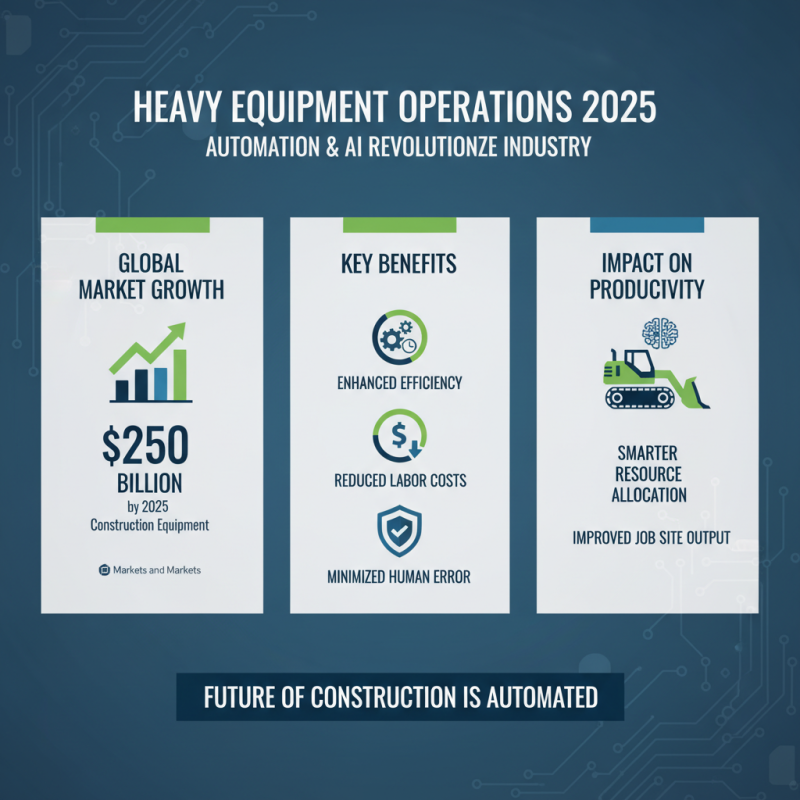
The integration of automation and artificial intelligence (AI) in heavy equipment operations is set to revolutionize the industry by 2025. According to a report by Markets and Markets, the global construction equipment market is projected to reach $250 billion by 2025, with a significant portion attributed to advancements in technology. Automation not only enhances operational efficiency but also reduces labor costs and minimizes human error. This shift towards automated processes enables companies to allocate resources more effectively, thereby improving productivity on job sites.
Furthermore, AI-driven analytics play a crucial role in predictive maintenance, allowing companies to foresee equipment failures before they occur. A study conducted by McKinsey indicates that predictive maintenance can reduce equipment downtime by as much as 50%. By harnessing the power of AI, heavy equipment operators can streamline operations, ensuring that machines are serviced based on their actual condition rather than predetermined schedules. As companies increasingly adopt these technologies, they are not only enhancing performance but also paving the way for safer and more sustainable construction practices.
Market Demand and Economic Factors Influencing Equipment Trends
The heavy equipment industry is experiencing significant shifts driven by market demand and economic factors. As infrastructure projects gain momentum post-pandemic, there is a growing requirement for advanced machinery that can meet efficiency and sustainability standards. This rising demand is influenced by government investments in construction and public works, spurring manufacturers to innovate and produce equipment that not only enhances productivity but also adheres to environmental regulations. The emphasis on greener technologies is reshaping purchasing decisions among contractors and enterprises, pushing the market towards electric and hybrid equipment options.
In addition to technological advancements, economic factors such as fluctuations in material costs and labor shortages are compelling companies to rethink their equipment needs. As the price of raw materials rises, businesses seek machines that provide a better return on investment through increased operational efficiency. Furthermore, the labor market challenges have led to an increased reliance on automation and mechanization to compensate for the declining workforce. Companies are now focused on procuring equipment that can operate autonomously or require minimal human oversight, thereby aligning with the broader industry trend towards digital transformation. These dynamics illustrate how intertwined market demands and economic realities shape the future landscape of the heavy equipment sector.
Safety Innovations and Regulations Affecting Heavy Equipment Use
The heavy equipment industry is witnessing significant transformations driven largely by safety innovations and evolving regulations. With recent reports by the Occupational Safety and Health Administration (OSHA) indicating that nearly 20% of workplace fatalities occur in the construction sector, the emphasis on enhancing safety protocols has become paramount. Innovations such as advanced safety gear, real-time monitoring systems, and autonomous machinery are playing pivotal roles in reducing risks for operators and bystanders alike. For instance, the adoption of telematics in heavy equipment has shown a 15% decrease in accidents by enabling operators to receive timely alerts about potential hazards on the job site.
Implementing regulatory changes, such as stricter guidelines on machine maintenance and operator training, is expected to further impact the industry. According to the National Institute for Occupational Safety and Health (NIOSH), companies that invest in comprehensive safety training programs see up to a 30% reduction in injury rates. This underscores the vital connection between safety protocols and overall operational efficiency, suggesting that adhering to regulatory standards not only protects workers but also enhances productivity and minimizes downtime.
Tips: To stay ahead in the evolving landscape of heavy equipment safety, companies should consider regularly updating their training programs to include the latest safety practices and technologies. Additionally, investing in smart technology for real-time data monitoring can significantly enhance safety measures on-site, contributing to a culture of proactive risk management.
2025 Top Trends in Heavy Equipment Safety Innovations

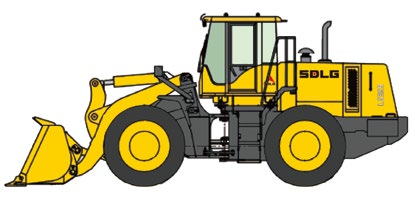 Wheel Loader
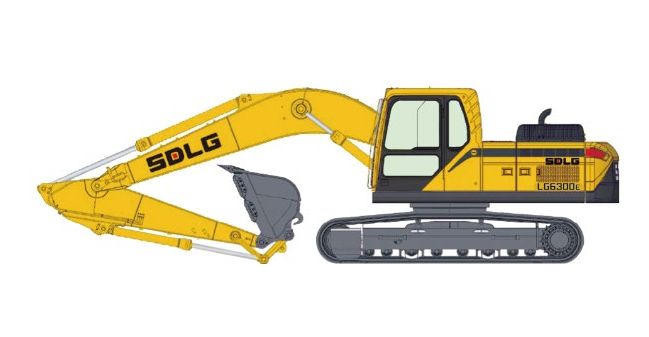 Excavator
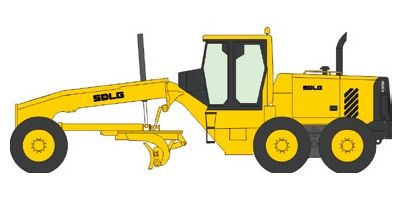 Motor Grader
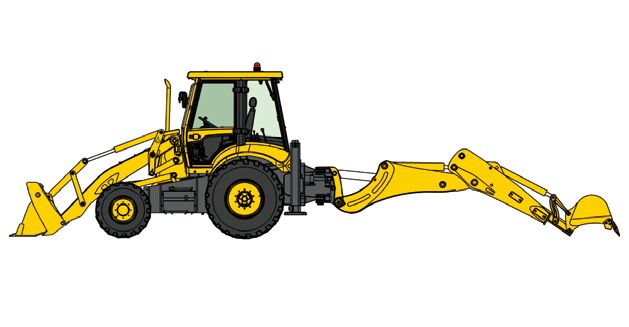 Backhoe Loader
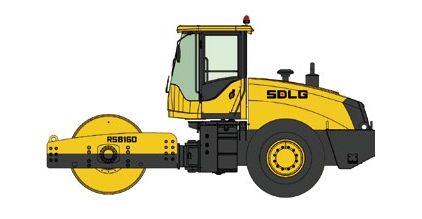 Road Roller
 Spare Parts