Leave Your Message

Why Is Sany Equipment a Top China Brand?

Why has Sany Equipment become one of China’s most recognized construction machinery brands? The answer is not simply its scale. It lies in visible performance, manufacturing discipline, and a growing global service network.

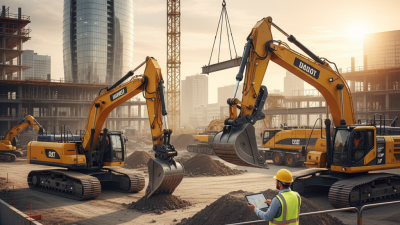
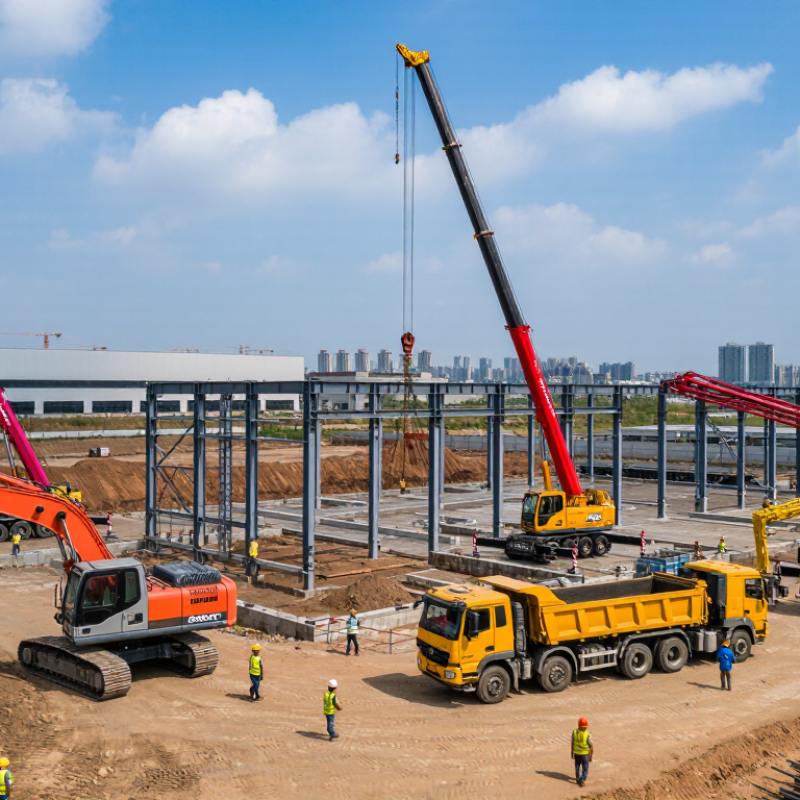
On a construction site, credibility is measured in practical details. An excavator must start reliably before dawn, control fuel use, and withstand dust, vibration, and long working hours. Sany Equipment has built its reputation through excavators, cranes, concrete pumps, and other machines designed for demanding job conditions. Its large production base, research investment, and international distribution have strengthened that position. However, strong sales figures alone do not prove superior quality. Buyers still need maintenance records, lifecycle costs, operator feedback, and local parts support.

That distinction matters. Sany founder and industry leader Liang Wengen expressed the company’s quality philosophy with the phrase, “Quality changes the world.” The statement is memorable, but it must be tested through daily machine performance. A contractor notices whether hydraulic controls remain smooth after months of use. A fleet manager notices whether diagnostic support reduces downtime. These experiences shape trust more than advertising.

Sany Equipment also deserves balanced evaluation. Service quality can differ between regions, and newer customers may need better technical training. Independent comparisons remain important. Even so, the brand’s combination of engineering ambition, production capacity, and field presence explains why it stands among China’s leading equipment manufacturers. Its rise is real, but its long-term authority will depend on consistent results across every market.
Why Is Sany Equipment a Top China Brand?

Company Background and Brand Development

A leading Chinese equipment manufacturer often grows from practical needs, not advertising alone. Its story usually begins with a small industrial operation serving local construction projects. Early machines may look basic, but they solve urgent problems: moving concrete, lifting steel, or preparing rough ground. This background builds useful experience. Engineers learn from dust, heat, tight workspaces, and demanding operators.

As the company expands, brand development depends on consistent engineering. Product teams improve hydraulic systems, fuel efficiency, operator visibility, and maintenance access. These details matter on real sites. A machine that starts reliably at dawn earns more trust than a polished brochure. Training programs, service centers, and parts availability also shape professional credibility. Customers judge the brand after purchase, especially when a project cannot afford long delays.

The path is not perfectly smooth. Some models may need refinement, and overseas users may expect different controls or documentation. That weakness deserves attention. A reliable company responds through testing, feedback, and transparent improvements. It studies regional standards and adapts equipment without losing manufacturing discipline. Over time, this steady process can turn a domestic producer into a respected global supplier. The brand becomes stronger through measurable performance, practical support, and lessons learned from imperfect results.
Core Equipment Categories and Industrial Applications

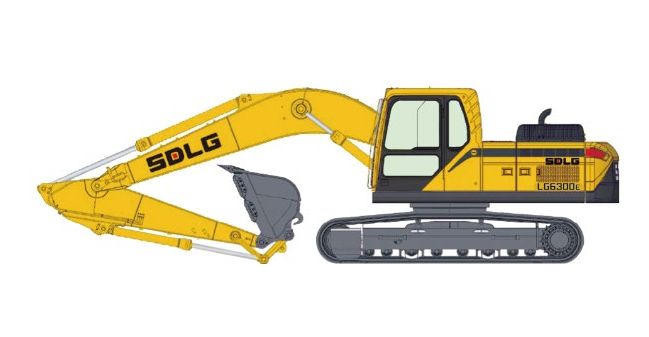
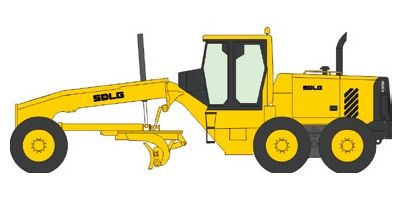
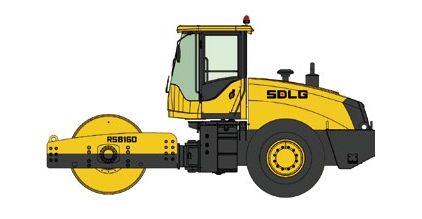
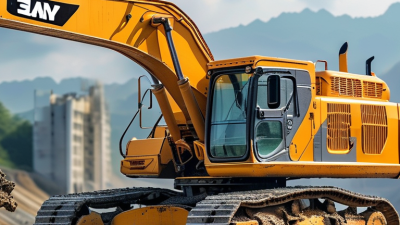
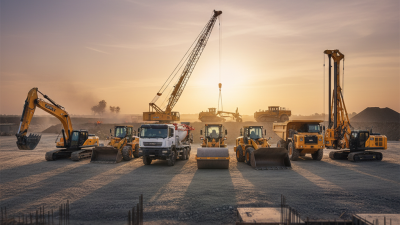
A top Chinese equipment manufacturer earns trust through a broad, practical product range. Excavators handle foundation work, quarrying, and urban road construction. Concrete machinery supports batching, pumping, and high-rise building projects. Cranes move heavy materials across ports, factories, and bridge sites. Road equipment, including pavers and rollers, helps create consistent surfaces under demanding schedules.

Industrial applications often reveal equipment quality better than brochures. On a dusty site, an excavator needs responsive hydraulics and clear operator controls. In a tunnel, compact dimensions and stable power matter more than impressive specifications. A concrete pump must deliver steady pressure through long pipelines. Mining operations demand reinforced structures, reliable cooling, and simple maintenance access. These details affect hourly output and worker confidence.

From field experience, service support can matter as much as engine power. Wear parts should be easy to identify and replace. Digital monitoring can help managers track fuel use, operating hours, and maintenance warnings. However, technology is not perfect. Sensors may misread harsh conditions, and training gaps can reduce their value. Some machines also perform differently across climates, soil types, and operator habits. Careful site testing remains necessary before large-scale deployment.

Engineering Innovation and Manufacturing Capabilities

Engineering innovation in Chinese construction equipment begins with practical problems, not impressive slogans. Designers study rough sites, unstable ground, tight urban spaces, and long operating shifts. They then convert these observations into stronger frames, clearer controls, and more efficient hydraulic systems. Details matter. A well-placed service panel can reduce repair time during a dusty afternoon.

Manufacturing capability gives these ideas a reliable shape. Modern factories combine automated welding, precision machining, and digital production tracking. Each major component can follow a documented path from raw steel to final inspection. Engineers test load capacity, vibration, fuel use, braking response, and temperature changes. Field feedback also returns to the design team. This connection supports continuous improvement rather than one-time development.

No factory is flawless. Some early prototypes may feel too complex for new operators, while certain digital features need better training. That weakness deserves honest review. Still, disciplined testing and repeated modification can turn criticism into measurable progress. Quality inspectors check weld penetration, bolt torque, fluid leakage, and software alarms before shipment. Operators notice the difference in small moments: steadier lifting, smoother turning, and fewer interruptions. Reliability is built through thousands of ordinary decisions, not one dramatic invention.

Quality, Safety, and Customer Service Systems

Why Is Sany Equipment a Top China Brand?

Quality, Safety, and Customer Service Systems

Heavy equipment earns trust through repeatable systems, not attractive paint or powerful engines. In daily operations, quality appears in small details. Hydraulic connections should remain dry after long shifts. Control panels must stay readable under dust and rain. Components need documented inspections before delivery and during service. Experienced technicians also review failure patterns instead of replacing parts blindly. These practices show professional knowledge and support reliable performance.

Safety requires more than warning labels. Operators need clear manuals, practical training, and responsive technical guidance. Independent inspections can verify braking systems, lifting limits, emergency controls, and structural integrity. Digital maintenance records make problems easier to trace. Customer service matters just as much. A strong support network provides genuine technical advice, suitable spare parts, and realistic repair timelines. Fast replies help, but accurate replies matter more.

Tips: Check service records before purchase. Ask about operator training and emergency support. Test controls in real working conditions. Confirm spare-part availability in your region.

No system is flawless. Delays can happen, and some field feedback may be overlooked. Regular audits, honest reporting, and customer reviews help reveal these weaknesses. The best equipment providers treat complaints as engineering data, not personal criticism. That attitude builds credibility over time.

Why Leading Equipment Suppliers Build Trust: Quality, Safety, and Service Systems

Global certification data shows how widely recognized management systems support consistent quality, safer operations, and more reliable customer service. ISO 9001 focuses on quality management, while ISO 45001 addresses occupational health and safety. These systems provide a structured foundation for dependable equipment supply and after-sales support.

Source: ISO Survey 2021, worldwide valid certificates.

Global Presence and Competitive Position

A Chinese construction equipment maker has moved from domestic scale to serious global reach. KHL’s 2024 Yellow Table reported about US$243 billion in worldwide construction equipment sales for 2023. The market declined, yet demand remained active in infrastructure, mining, and energy projects. This uneven cycle tests manufacturers more severely than rapid growth.

Its overseas position is visible on active jobsites. Excavators, cranes, and concrete pumps operate across Southeast Asia, the Middle East, Africa, Europe, and Latin America. Off-Highway Research identifies China as a major production base, supported by extensive component supply and competitive manufacturing costs. Local assembly, regional warehouses, and multilingual service teams can shorten delivery times. That matters when a machine stands idle beside a highway project. Not every market is equally easy. Emissions rules, financing conditions, spare-parts access, and operator training can weaken an otherwise strong offer. The International Energy Agency also reports growing pressure to reduce construction emissions, making fuel efficiency and electrification increasingly important. The equipment is competitive, but the next advantage may depend less on price. It may depend on measurable uptime, transparent lifecycle costs, and reliable support after the sale. That is where performance still needs careful proof.

Why Is Sany Equipment a Top China Brand? - Global Presence and Competitive Position

Evaluation Dimension Verified Industry Data or Benchmark Competitive Significance Reference
Global market structure The global construction equipment market is concentrated among a relatively small group of large original equipment manufacturers, with the leading ten participants accounting for more than half of worldwide industry sales in recent Yellow Table editions. A Chinese manufacturer that enters the global top tier has achieved scale comparable with established international competitors. KHL Group, Yellow Table: Global Construction Equipment Manufacturers
International market coverage Large full-line construction equipment manufacturers generally maintain sales, dealer, or service activity across more than 100 national markets. Broad geographic coverage reduces dependence on one construction cycle and supports local parts, financing, and after-sales operations. Off-Highway Research, global construction equipment industry studies
Product portfolio breadth The major global equipment categories include excavators, wheel loaders, cranes, concrete machinery, road machinery, mining equipment, and material-handling products. A broad portfolio allows one supplier to serve infrastructure, buildings, mining, energy, and rental customers. Association of Equipment Manufacturers; ISO construction machinery classifications
Export competitiveness China is the world’s largest manufacturing economy and one of the largest exporters of machinery and mechanical equipment, supported by extensive supplier networks and high-volume production. A dense domestic supply chain can improve manufacturing flexibility, component availability, and price competitiveness. World Bank; United Nations Comtrade Database
Regulatory adaptability Major export markets require compliance with emissions regimes such as EU Stage V, United States EPA Tier 4 Final, and China Non-Road Stage IV standards. The ability to offer compliant engines and configurations is essential for entering developed markets and public infrastructure projects. European Union Regulation 2016/1628; U.S. EPA 40 CFR Part 1039; Chinese non-road emissions standards
After-sales service Construction equipment buyers commonly evaluate parts availability, technician coverage, warranty response, and machine uptime alongside the initial purchase price. A regional dealer and service network can convert a low purchase price into a stronger total-cost-of-ownership proposition. Off-Highway Research; International Powered Access Federation industry guidance
Digital fleet management ISO 15143-3, also known as AEMP 2.0, provides a common framework for exchanging telematics data such as location, operating hours, fuel use, and fault information. Standards-based telematics improve fleet utilization, predictive maintenance, and multi-brand fleet management. ISO 15143-3:2020
Electrification potential Battery-electric equipment is commercially most practical today in compact, urban, indoor, and low-to-medium duty applications; larger machines remain more dependent on duty cycle and charging infrastructure. Early development of electric and hybrid models can support growth in low-emission construction zones and stricter urban regulations. International Energy Agency; European Commission construction machinery policy materials
Value proposition Total cost of ownership is determined by acquisition price, fuel or electricity consumption, scheduled maintenance, downtime, residual value, and financing costs. Competitive pricing becomes strategically powerful when supported by reliable uptime, efficient operation, and accessible replacement parts. European Rental Association; International Rental Exhibition market guidance
Overall competitive position The strongest global challengers combine manufacturing scale, a broad product range, international distribution, regulatory compliance, digital services, and competitive lifecycle economics. These combined capabilities explain why a leading Chinese equipment manufacturer can compete beyond its home market rather than relying solely on low pricing. Synthesis of the industry sources listed above
Note: The table uses industry-level benchmarks and public regulatory or market references. Company-specific financial, sales, market-share, and brand-performance data are intentionally excluded.