What Is the Best Caterpillar Mini Excavator?
Choosing the best Caterpillar Mini Excavator is not simply a matter of selecting the newest model. The right machine must match your ground conditions, workload, attachments, and transport limits. A compact excavator working beside a garden wall needs different strengths than one digging utility trenches on rough terrain. It depends.
Experienced operators usually examine several practical details before recommending a model. Digging depth, lift capacity, hydraulic flow, tail swing, operator visibility, and maintenance access all influence daily performance. A machine may feel powerful in soft soil but struggle in compacted clay. A larger bucket can speed up loading, yet it may reduce control in narrow spaces. Small details matter.
This guide compares Caterpillar Mini Excavator options through realistic jobsite considerations, not marketing claims alone. It considers how each model handles trenching, grading, stump removal, landscaping, and attachment work. Service support, parts availability, operating comfort, and resale value also deserve attention. Reliable specifications should come from Caterpillar documentation and experienced dealer guidance, while field observations add useful context. Still, no comparison is perfect. Soil, operator skill, and local service quality can change the result. A model praised on one site may disappoint on another. The goal is to identify the strongest fit for your work, budget, and long-term expectations. Examine the details carefully.
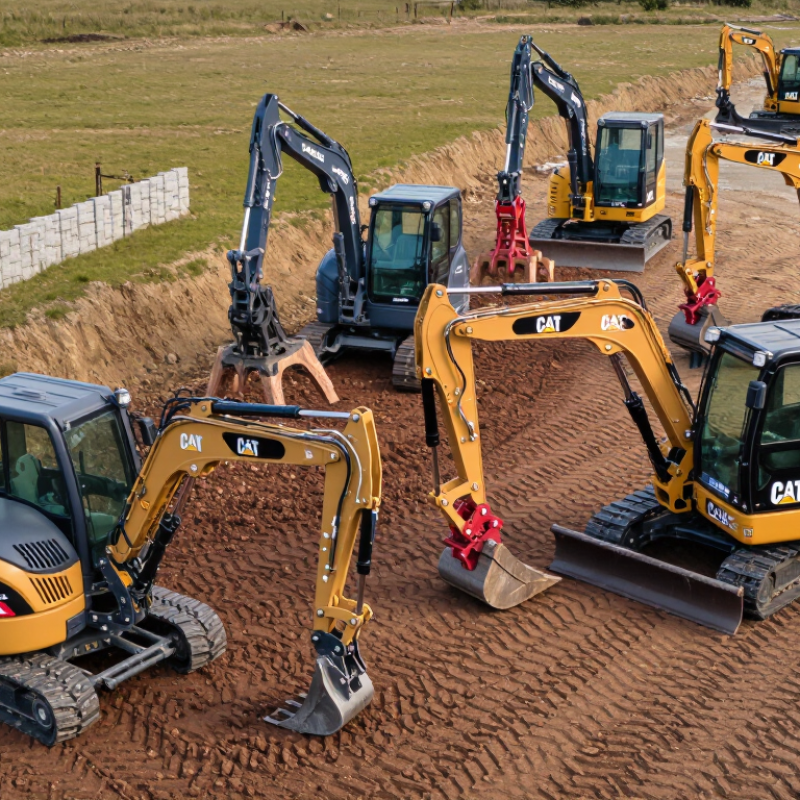
Caterpillar Mini Excavators: Definition and Main Model Categories
A mini excavator is a tracked machine designed for digging, lifting, grading, and light demolition in restricted spaces. Most models weigh below 10 tonnes, although classifications vary across manufacturers and regions. Their compact frames fit through narrow gates, while hydraulic systems deliver controlled digging force. Common attachments include buckets, breakers, augers, and grading blades. Small footprint, serious leverage.
The main model categories are based on operating weight and tail-swing design.
Micro excavators
usually below 2 tonnes, suit gardens, indoor renovations, and narrow access routes.
Compact models
from about 2 to 4 tonnes balance transport ease with stronger digging performance.
Standard mini excavators
often between 4 and 8 tonnes, handle deeper trenches, heavier soil, and longer workdays.
Zero-tail-swing versions
keep the rear body within the track width, reducing collision risks near walls.
Reduced-tail-swing designs
offer a practical middle ground.
The best category depends on ground conditions, access, transport limits, and attachment requirements. I have seen buyers focus too heavily on engine power and overlook hydraulic flow. That can make a powerful machine disappointingly slow with specialized tools.
Check before choosing
Check maximum digging depth, bucket breakout force, operating width, and service access before choosing.
A compact machine may protect a driveway better, yet it can lose stability on steep, uneven ground. That trade-off deserves honest attention.
No category wins every job.
Key Features for Different Excavation and Construction Tasks
What Is the Best Mini Excavator?
The best mini excavator depends on the excavation and construction task. For narrow residential trenches, choose a compact model with zero or reduced tail swing. It can work beside walls, fences, and parked vehicles with less repositioning. A digging depth of 2.5 to 3.5 meters suits many drainage, footing, and utility projects. However, deeper work needs more reach and hydraulic stability.
For demolition or rocky ground, prioritize hydraulic breakout force and a strong undercarriage. High auxiliary hydraulic flow supports augers, breakers, and grading attachments. Check whether the machine offers adjustable flow settings. They improve attachment control and reduce unnecessary wear. In muddy areas, wider tracks can lower ground pressure, although they may limit access through tight gates. Operator visibility, simple joystick controls, and a comfortable seat also matter during long shifts. I once underestimated seat comfort on a small site. That mistake made precise grading harder by late afternoon.
Tips: Match the machine to the attachment, not only the digging depth. Measure access points before delivery. Check the working radius beside buildings. Inspect hydraulic hoses, track tension, and bucket pins daily. Keep a small margin below the machine’s rated lifting capacity. Real conditions change quickly, especially on sloped or wet ground. Service access is another practical detail. Easy-to-reach filters and grease points can save time, but manufacturers’ service intervals still require careful review.
Attachments, Operating Costs, and Maintenance Requirements
The best mini excavator depends heavily on attachment compatibility and daily workload. A hydraulic thumb can improve material handling, while an auger suits fencing and light foundation work. Breakers require stronger hydraulic flow and careful cooling. Check attachment weight, pin dimensions, and auxiliary-flow ratings before purchasing. A mismatched attachment may reduce productivity and increase component wear.
Operating cost begins with fuel, but fuel is not the whole bill. The U.S. Energy Information Administration reported an average on-highway diesel price of about $3.76 per gallon in 2024. Actual consumption varies with soil, idle time, operator habits, and attachment load. Tracking fuel per operating hour gives better evidence than brochure estimates. I have seen idle-heavy projects distort cost calculations quickly. That is easy to overlook.
Maintenance should include daily track inspection, fluid checks, grease points, and radiator cleaning. Replace filters and hydraulic oil according to the service manual, not guesswork. The U.S. Bureau of Labor Statistics continues to identify construction equipment maintenance as a skilled mechanical task, supporting scheduled inspections and trained service personnel. Keep a simple log with hours, leaks, attachment use, and repairs. It exposes patterns. Still, even a good log can miss damage hidden beneath packed mud. Cleaning after trenching work is inconvenient, but neglected debris can raise downtime and repair costs.
Choosing the Best Caterpillar Mini Excavator for Your Needs
Choosing the best mini excavator starts with the worksite, not the brochure. A 1.5-ton machine suits garden access and narrow foundations. A 5-ton model offers deeper digging and stronger lifting, but it needs more transport space. Grand View Research estimated the global mini excavator market at about USD 8.4 billion in 2023, with growth expected through 2030. That demand reflects practical needs: compact access, lower ground pressure, and fast repositioning.
Measure your trench depth, soil type, attachment weight, and daily operating hours. The machine’s maximum digging depth should exceed your target by at least 15 percent. This leaves room for uneven ground and operator adjustment. Check the tail swing carefully near walls. Zero-tail-swing designs improve access, though they can sacrifice counterweight stability. Small details matter.
Fuel use also deserves attention. The U.S. Environmental Protection Agency’s nonroad diesel standards require modern engines to reduce particulate and nitrogen-oxide emissions. Ask for documented engine compliance and service records. EquipmentWatch’s 2024 Cost Recovery Guide emphasizes utilization, maintenance, and ownership costs when comparing equipment. A low purchase price can become expensive after idle time, hydraulic leaks, or frequent transport. I would not choose the largest model automatically. Bigger is not always better. A smaller excavator may finish faster on a crowded residential site, yet its lifting limits can create frustrating delays. Operators should test visibility, joystick response, and attachment changes before signing. Real soil is less forgiving than a specification sheet.

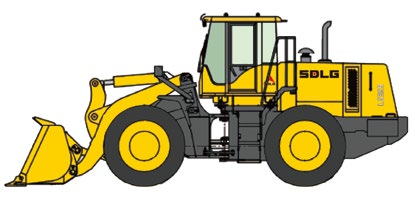 Wheel Loader
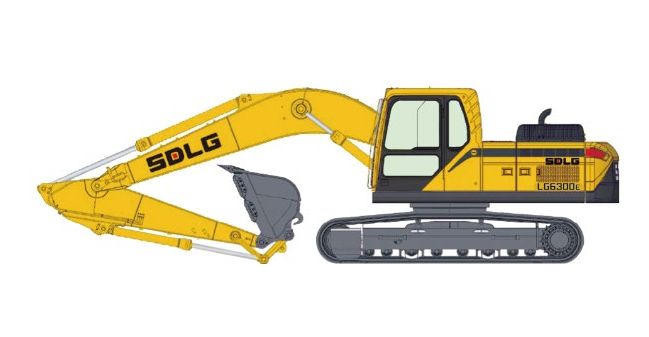 Excavator
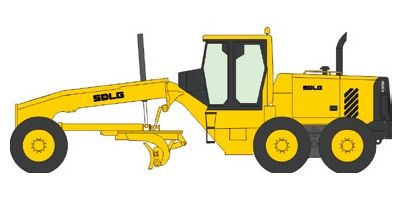 Motor Grader
 Backhoe Loader
 Road Roller
 Spare Parts