Leave Your Message

China Top Mobile Excavator Mechanic Buyers Guide?

Buying a Mobile Excavator Mechanic in China requires more than comparing hourly rates. It requires evidence, field experience, and careful technical questions. China remains a major construction-equipment market, according to the 2024 Off-Highway Research outlook. The China Construction Machinery Industry Association also continues to track excavator production, sales, exports, and service demand. These reports show a competitive market, but they do not measure every mechanic’s real ability.

A qualified mechanic should understand hydraulic pressure, electronic control systems, undercarriage wear, engine diagnostics, and on-site safety procedures. Ask for service records, manufacturer training certificates, diagnostic-tool experience, and references from comparable excavators. A mechanic who can explain a fault beside a hot engine is more valuable than one who only presents a polished brochure. Look for practical proof.

W. Edwards Deming, a respected quality-management expert, warned, “Without data you’re just another person with an opinion.” His principle fits equipment maintenance closely. Buyers should request measurable inspection results, including oil-analysis findings, pressure readings, fault-code histories, and repair-time estimates. Do not accept vague promises.

This guide examines Chinese Mobile Excavator Mechanic suppliers through technical capability, response time, parts access, warranty clarity, and communication quality. It also considers regional service coverage and cross-border support. No checklist removes every risk. Some decisions still require judgment, and that is where buyers may hesitate. A cheap mechanic can become expensive when a small hydraulic leak reaches the final drive. The strongest choice is not always the lowest bid. It is the provider that documents problems clearly, admits limitations, and keeps the excavator working safely.
China Top Mobile Excavator Mechanic Buyers Guide?

Mobile Excavator Basics and Key Buying Considerations

China Top Mobile Excavator Mechanic Buyers Guide?

A mobile excavator combines digging power with road-ready movement. Its wheeled base suits urban repairs, utility work, and prepared construction sites. A mechanic should inspect the boom, arm, bucket pins, and hydraulic hoses before judging performance. Check for uneven tire wear and oil traces near every connection. Small leaks can become expensive failures. Test the swing movement slowly. It should feel controlled, without grinding, shaking, or delayed response.

Buying decisions should match the machine to the actual workload. Consider operating weight, digging depth, lifting capacity, turning radius, and transport limits. A compact model may fit narrow streets, but it can struggle with heavy soil. A larger machine offers reach, yet it may increase fuel use and site pressure. Review the engine condition, hydraulic response, cab visibility, maintenance access, and availability of replacement parts. Ask for inspection records, not only operating hours. Hour meters can be useful, but they are not perfect evidence.

Tips: Test the excavator when fully warm. Cold starts can hide weak hydraulics. Bring an experienced mechanic and record unusual sounds. Check tire condition on both sides. Compare actual cycle times with the seller’s specifications. No checklist catches everything. Leave room for a second inspection before payment.


How to Assess Excavator Mechanic Skills and Service Capabilities

Choosing a mobile excavator mechanic in China requires more than comparing hourly rates. Watch how the mechanic inspects the machine. A skilled technician checks hydraulic pressure, oil contamination, track tension, swing movement, and unusual pump noise. They should explain each finding in clear language, not hide behind technical terms.

Ask for service records from similar excavators. Confirm training, field experience, diagnostic equipment, and familiarity with hydraulic and electronic systems. A dependable mechanic uses pressure gauges, a multimeter, and documented testing procedures. Request a written repair plan with labor, parts, estimated downtime, and warranty terms. Good technicians also photograph damaged components before replacement.

Service capability matters after the repair. Can the team reach a remote worksite quickly? Do they carry common seals, hoses, filters, and electrical connectors? Ask how emergency calls are handled outside normal hours. Speak with recent customers, and listen for details about response time and repeat failures. I once trusted a low quote without checking diagnostic methods. The repair was cheap, but the excavator failed again within weeks. That experience still influences my questions. No mechanic gets every diagnosis right. Honest professionals admit uncertainty, test again, and adjust their plan when evidence changes.

Essential Tools, Certifications, and Technical Support Standards

China Top Mobile Excavator Mechanic Buyers Guide?

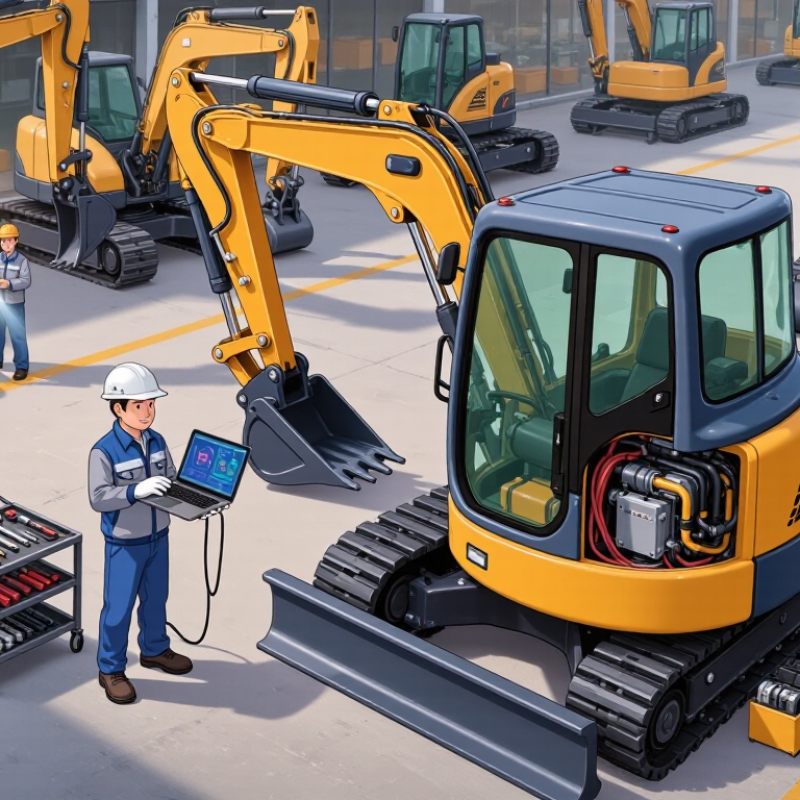
A reliable mechanic needs more than a crowded toolbox. Essential equipment includes a calibrated multimeter, hydraulic pressure gauges, a torque wrench, and a clean oil sampling kit. A laptop with approved diagnostic software can reduce guesswork during fault tracing. However, tools must match the excavator’s voltage, pressure range, and service procedures. Small mismatches create expensive errors.

Certification should prove practical ability, not only classroom attendance. Look for training in hydraulic systems, diesel engines, electrical testing, welding safety, and contamination control. Valid certificates should show the issuing body, assessment date, and renewal requirements. Mechanics should also understand lockout procedures and safe lifting methods. Safety comes first. Field records matter.

Technical support standards deserve equal attention. Ask whether support includes wiring diagrams, hydraulic schematics, repair instructions, and measured test values. A clear response-time agreement is useful, especially when a machine stops at a remote site. Support teams should document each case and escalate difficult faults to qualified engineers. Spare-part advice must include compatibility checks, not vague promises. In practice, many buying plans focus on purchase price and overlook training access. That weakness can return later. A short trial period, service report, and direct technical contact can reveal whether the mechanic is dependable. Still, no standard guarantees perfect work. Regular audits remain necessary.

This practical buyer benchmark compares target response times and evidence requirements for mobile excavator mechanic support. Buyers should verify tool calibration records, safety procedures, service documentation, diagnostic capability, and written support commitments before purchasing.

Comparing Mechanic Experience, Response Time, and Service Coverage

Choosing a top mobile excavator mechanic requires more than checking hourly rates. Experience should match your machine’s size, hydraulic system, and working conditions. Ask how many similar excavators the mechanic has repaired recently. A skilled technician can explain pressure testing, fault-code checks, and component wear in clear language. Request service records or customer references when possible. Real evidence matters.

Response time needs careful comparison. “Available today” may only mean a quick phone reply. Ask for the expected arrival window, diagnostic time, and after-hours procedure. A mechanic who sends a written update before traveling shows better control. Service coverage also affects downtime. Confirm the travel radius, rural access, emergency support, and parts sourcing process. A nearby mechanic may respond quickly but lack advanced testing equipment. A distant specialist may diagnose the fault correctly but arrive too late. I have learned that both speed and accuracy matter.

Tips: Compare three mechanics using the same questions. Record arrival times, repair findings, and final costs. Ask whether remote video support is available before dispatch. Check insurance, training records, and safety procedures. Leave room for uncertainty. Even experienced mechanics can misdiagnose an intermittent electrical fault. A reliable provider admits that risk and explains the next inspection step. Coverage should be written, not assumed.

China Top Mobile Excavator Mechanic Buyers Guide? - Comparing Mechanic Experience, Response Time, and Service Coverage

Service Provider Type Typical Field Experience Typical Response Time Service Coverage Common Excavator Range Diagnostic Capability Best Use Case Buyer Considerations
Authorized Regional Service Team 8–15 years 4–24 hours in the primary service area One province or several neighboring provinces 10–50 metric tons Advanced electronic, hydraulic, and engine diagnostics Warranty work, complex faults, and scheduled maintenance Confirm territory limits, warranty conditions, and parts availability.
Independent Heavy-Equipment Specialist 10–20 years Same day to 48 hours Usually within 100–250 km of the workshop 5–40 metric tons Strong hydraulic, mechanical, and electrical testing; software access varies Out-of-warranty repairs and recurring hydraulic problems Check multi-brand experience, diagnostic tools, insurance, and references.
Fleet Maintenance Contractor 7–15 years 12–72 hours, depending on fleet priority Multiple cities, often through scheduled routes 8–60 metric tons Routine inspections, preventive maintenance, and fault-code reading Large fleets requiring planned service and maintenance records Review technician-to-machine ratios, reporting standards, and escalation procedures.
Local Mobile Mechanic 5–12 years 2–24 hours when locally available Generally within 50–150 km Mini excavators to approximately 30 metric tons Mechanical and hydraulic troubleshooting; advanced electronic tools may be limited Urgent breakdowns, hose replacement, and basic field repairs Verify emergency availability, lifting equipment, parts sourcing, and travel charges.
Hydraulic and Powertrain Specialist 12–25 years 24–96 hours, including equipment transport Regional coverage; workshop support may extend nationwide 15–100 metric tons Pump, motor, valve, transmission, pressure, and flow testing Repeated hydraulic failures and major component overhauls Ask for test reports, repair warranties, contamination-control procedures, and turnaround times.
Construction-Site Maintenance Partner 8–18 years On-site or next-shift support under contract Defined project sites and nearby operating zones All sizes when supported by site equipment Daily inspections, telematics review, service scheduling, and field diagnostics Long-term infrastructure, quarry, and earthmoving projects Assess safety compliance, shift coverage, spare-parts planning, and service-level terms.
Buyer Evaluation Notes: Response times are typical planning ranges rather than guaranteed service levels. Actual availability depends on location, road conditions, technician workload, machine size, parts inventory, weather, and whether the repair requires workshop facilities. Before purchasing, request proof of relevant experience, a written service area, diagnostic-tool details, travel-fee terms, repair warranty, safety certificates, and recent service records.

Evaluating Costs, Contracts, Warranties, and Buyer Protection

When buying a mobile excavator mechanic service in China, separate labor costs from travel, diagnostics, and parts. The 2023 China Construction Machinery Industry Association sales bulletin recorded 195,018 excavator units sold. High equipment volume can support wider service coverage, but it does not prove technician quality. Request hourly rates, response times, inspection tools, and sample repair records. A written quotation should identify taxes, transport, emergency charges, and replacement-part origins.

Contracts need measurable duties. Specify fault diagnosis time, repair completion targets, reporting formats, and approval limits for extra work. Ask whether unused service hours expire. They often do.

Off-Highway Research’s 2024 construction equipment outlook highlights continuing demand for aftermarket support as machinery fleets age. This makes preventive maintenance valuable, but vague maintenance packages can hide exclusions. Require oil analysis, hydraulic-pressure testing, electronic fault scans, and before-and-after photographs.

Warranty terms deserve close reading. State coverage periods by hours and calendar months, whichever comes first. Clarify whether labor, travel, seals, hoses, and consequential damage are included. Keep invoices, machine-hour readings, test results, and delivery confirmations in one file. I have seen buyers lose leverage because verbal promises were never recorded. For cross-border purchases, use an independently verified company identity and a staged payment schedule. An inspection agency can confirm technician credentials and machine condition before final payment. The International Organization for Standardization’s ISO 19014 framework supports structured earth-moving machinery safety verification, though it does not replace a commercial warranty. Ask for a realistic remedy: repair, replacement, refund, or contract termination.