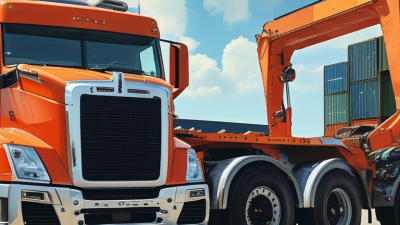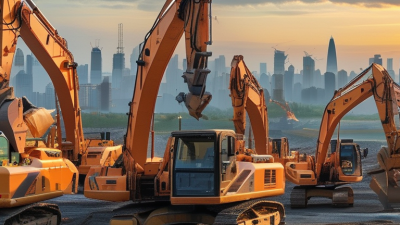
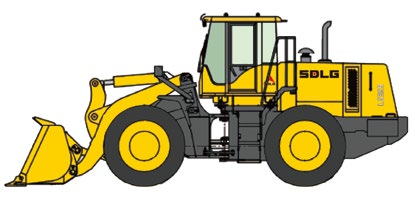
Choosing Sany Excavators for global projects requires more than comparing engine power and purchase prices. Terrain, climate, regulations, operator skills, transport limits, and local service capacity all influence long-term performance. A machine working on a tropical road project may need different protection from one operating in frozen ground. Small details matter.
Sany Heavy Industry chairman Xiang Wenbo has often expressed the company’s guiding idea: “Quality changes the world.” This principle gives buyers a useful starting point, but quality must be tested in real conditions. Buyers should examine hydraulic response, fuel efficiency, attachment compatibility, undercarriage strength, and cabin visibility. They should also confirm parts availability before signing a contract. A powerful excavator is not automatically the best excavator.
The selection process should include field demonstrations, maintenance records, warranty terms, and feedback from experienced operators. Ask difficult questions. How quickly can a technician arrive? Can local teams diagnose electronic faults? Will filters and hydraulic components remain available during remote work? These answers reveal practical reliability better than a polished brochure.
Sany Excavators may offer strong value across construction, mining, infrastructure, and earthmoving projects. Still, no model fits every market perfectly. That is an uncomfortable truth. Project managers should compare technical data with site evidence and independent inspections. A careful decision balances productivity, operating cost, safety, service support, and resale potential. This approach supports dependable results, even when conditions change unexpectedly.
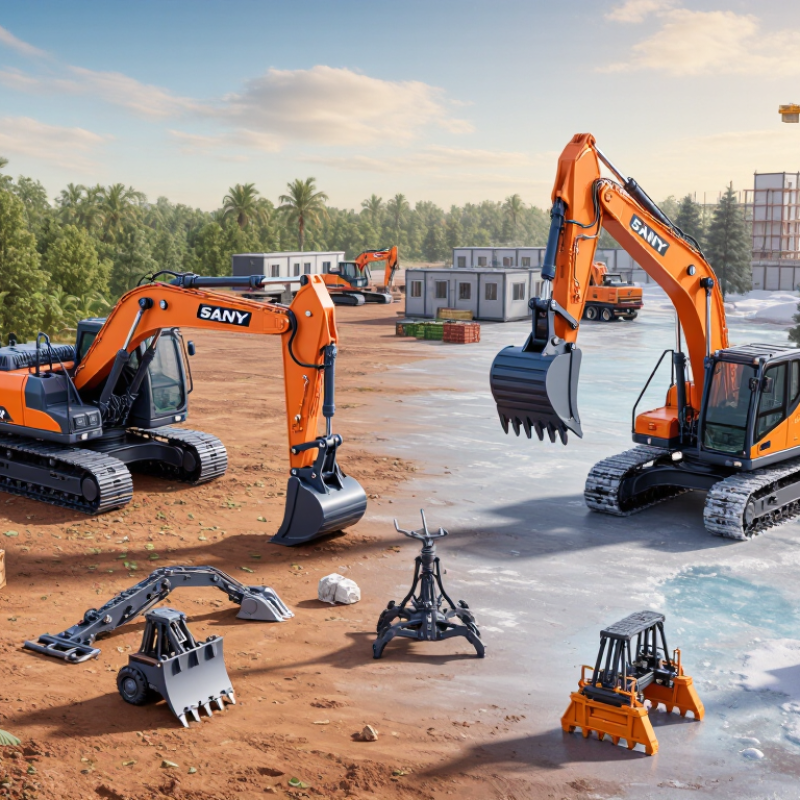
Choosing Excavators for Global Projects
Project requirements should guide excavator selection, not catalog popularity. Start with soil type, digging depth, lift radius, daily hours, and attachment needs. A 22-ton machine may suit a highway trench, but it can be excessive on narrow urban sites. Measure access roads carefully. Transport width matters.
KPMG’s 2023 Global Construction Survey reported that only about one-third of projects met budget and schedule targets within a 10% margin. Equipment choices can worsen that gap. Compare expected cycle time, fuel use, rental costs, and maintenance access before purchase. In remote regions, parts availability and technician response may matter more than peak horsepower. Check hydraulic flow for breakers, augers, and grapples. An attachment mismatch wastes both time and fuel.
Safety also requires practical assessment. The U.S. Bureau of Labor Statistics recorded 1,075 fatal work injuries in construction during 2023. Choose clear visibility, stable lifting performance, reliable travel controls, and suitable operator-protection systems. Confirm compliance with the destination’s emissions and safety requirements. Climate changes the decision too. Cold starts, high humidity, dust, and steep terrain can expose weaknesses quickly. A neat spreadsheet can still mislead. Field testing is imperfect, but it reveals what brochures cannot. Talk with operators who will use the excavator every day. Their criticism is often uncomfortable, and useful.
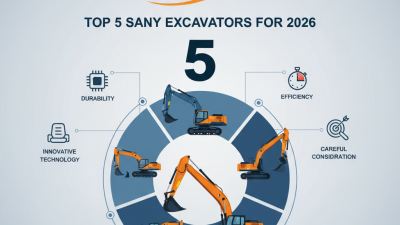
Choosing an excavator for a global project starts with the work, not the machine catalog. Soil, access, lifting needs, and transport rules shape the correct specification. Mini excavators suit urban repairs, narrow gardens, and indoor renovation. Their compact tails reduce contact risks near walls, but limited reach can slow deep trenching. Compact models offer a useful middle ground for utility work and residential foundations. They are easier to move between sites. Still, operators should check ground pressure before working on soft surfaces.
For road building, quarrying, and large earthworks, standard and heavy excavators provide stronger digging forces and larger bucket options. A 20- to 30-ton machine often balances production, transport, and fuel use. Larger units can load high-sided trucks efficiently, yet they require wider haul roads and stronger ground. Long-reach excavators support drainage channels, slope shaping, and work beside water. Demolition configurations need reinforced structures, guarding, and hydraulic flow matched to approved attachments. Mechanical fit is not enough. Check flow, pressure, pin size, and auxiliary lines with the supplier.
Specification sheets deserve field verification. Compare operating weight, digging depth, reach, breakout force, cycle time, and fuel use under similar conditions. Emissions requirements vary by destination, so local documentation matters. In my site planning experience, transport width is often underestimated. It can create delays before excavation begins. Telematics, service access, and parts availability affect uptime in remote regions. No selection is perfect. A smaller machine may protect access but sacrifice output, while a larger one may increase logistics and ground disturbance.
| Excavator Type | Typical Operating Weight | Typical Engine Power | Typical Bucket Capacity | Typical Maximum Digging Depth | Best-Fit Applications | Key Selection Considerations |
|---|---|---|---|---|---|---|
| Mini Excavator | 1.0–6.0 t | 10–45 kW | 0.02–0.25 m³ | 2.0–4.0 m | Urban landscaping, utility repairs, residential construction, drainage, and confined-site excavation | Check tail-swing radius, transport weight, machine width, auxiliary hydraulic flow, and ground-pressure requirements. |
| Compact Excavator | 6.0–10.0 t | 40–75 kW | 0.20–0.45 m³ | 3.5–5.5 m | Roadside work, small foundations, municipal projects, pipe installation, and site preparation | Balance lifting capacity and maneuverability; verify transport regulations and attachment compatibility. |
| Medium Excavator | 10.0–25.0 t | 75–150 kW | 0.45–1.20 m³ | 5.5–7.0 m | General earthmoving, commercial buildings, road construction, trenching, and aggregate handling | Select hydraulic flow, breakout force, arm length, undercarriage width, and fuel efficiency according to daily production targets. |
| Large Excavator | 25.0–50.0 t | 150–300 kW | 1.20–2.50 m³ | 6.5–8.5 m | High-volume excavation, quarry loading, major infrastructure, large foundations, and bulk material handling | Evaluate cycle time, lifting performance, bucket fill factor, transport logistics, and service access at remote sites. |
| Heavy-Duty Mining Excavator | 50.0–100.0+ t | 300–600+ kW | 2.50–6.00+ m³ | 7.0–10.0+ m | Open-pit mining, overburden removal, hard-rock excavation, and high-volume truck loading | Match the bucket and loading height to truck capacity; consider structural reinforcement, cooling systems, and duty-cycle durability. |
| Long-Reach Excavator | 15.0–45.0 t | 100–250 kW | 0.30–1.00 m³ | 10.0–20.0+ m | River dredging, slope shaping, deep excavation, canal maintenance, and demolition from a safe distance | Prioritize reach, stability, attachment weight, hydraulic control, and lift limits at maximum extension. |
| Wheeled Excavator | 12.0–25.0 t | 90–160 kW | 0.30–1.20 m³ | 5.0–7.0 m | Urban roadwork, utility maintenance, traffic-sensitive construction, and projects requiring frequent relocation | Confirm road-legal configuration, axle loads, tire selection, steering modes, and ground-support requirements. |
| Crawler Excavator | 10.0–50.0+ t | 75–300+ kW | 0.30–2.50+ m³ | 5.0–8.5+ m | Uneven terrain, soft ground, highways, foundations, mining, and general heavy excavation | Compare track width, ground pressure, travel speed, swing torque, undercarriage durability, and site access. |
Performance must match the task, not the brochure. Check rated power, hydraulic flow, lift capacity, cycle time, and attachment compatibility. A quarry machine may need stronger structures and higher cooling capacity. An urban unit may need compact dimensions and low noise. At high altitude, thinner air can reduce engine output. In cold regions, starting systems and hydraulic-fluid viscosity become critical. Dusty sites also demand better filtration and simpler daily maintenance. These details often matter more than peak horsepower.
Fuel efficiency deserves measured attention. The U.S. Department of Energy lists diesel at approximately 128,488 Btu per gallon, showing how much energy every operating hour consumes. Compare fuel used per cubic metre moved, not only litres per hour. UNEP’s 2023 Global Status Report links buildings and construction with 37% of global energy and process-related emissions. That wider figure makes equipment efficiency commercially important. Still, laboratory figures can mislead. Real productivity changes with soil, operator habits, idling, temperature, and haul distance. The best selection is rarely perfect.
Tips: Request field data from comparable sites. Record fuel, tonnes moved, idle time, and maintenance hours. Test two operating modes for several shifts. Check local fuel quality and emissions requirements before shipment. Leave a small performance margin. A machine working constantly at its limit may consume more fuel and age faster. Use telematics carefully, because inconsistent data can create false confidence.
Choosing Excavators for Global Projects
Compliance should guide every excavator purchase, not follow it. Check emissions standards, noise limits, machine certification, and import documents for the project country. Requirements may differ between a city site, a mine, and a highway project. Ask for complete technical records, translated manuals, and inspection support. A compliant machine reduces delays, but paperwork is often underestimated.
Safety features deserve practical testing. Look for verified emergency stops, visibility aids, rollover protection, load monitoring, and stable hydraulic control. Test access steps and handrails with gloves, mud, and poor lighting. Operators should receive training in their own language. Local support matters just as much. Reliable technicians, stocked wear parts, and clear response times can prevent a small fault from stopping an entire crew. Still, no feature replaces disciplined site management. That point is easy to forget.
Tips: Compare local service coverage before comparing prices. Request a parts list for the first year. Confirm who handles warranty inspections. Speak with operators who have used similar equipment in comparable conditions. Their experience may reveal practical weaknesses that brochures miss. Also, leave room for doubt. A supplier’s promise sounds useful, but written service commitments are safer.
Selecting excavators for global projects requires more than comparing digging force. Transport begins with operating weight, folded height, boom dimensions, and available lifting points. UNCTAD’s Review of Maritime Transport 2024 states that ships carry over 80% of global trade by volume. A machine that fits one port may fail at another. Request packing drawings, axle-load limits, and route surveys before purchase. Small oversights become expensive delays.
Maintenance planning should match local skills and climate. Check filtration for dusty sites, cold-start systems, corrosion protection, and technician access. KHL’s Yellow Table 2024 recorded roughly 1.2 million construction equipment sales worldwide in 2023. That scale supports common components, but parts availability still differs sharply between regions. Keep critical filters, hoses, sensors, and seals near the jobsite. Remote diagnostics can shorten troubleshooting, though connectivity is not always reliable.
Build the budget around the whole life cycle. EquipmentWatch’s 2024 Cost Recovery Handbook separates depreciation, financing, fuel, repairs, insurance, and idle time. Include port charges, inland haulage, operator training, and resale risk. A lower purchase price may hide higher fuel use or longer service intervals. Track fuel litres per operating hour and downtime hours monthly. The first estimate will probably be wrong. Revise it after ninety days of field data.