What Are Excavator Parts and Their Functions?
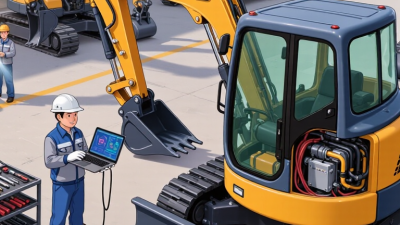
Excavator Parts are more than a list of replaceable components; they form a working system that turns engine power into controlled digging force. The engine supplies energy, hydraulic pumps move pressurized oil, and cylinders drive the boom, arm, and bucket. The undercarriage carries the machine across rough ground, while filters help protect sensitive components from dust and metal particles. Small faults can have visible consequences: a leaking hose may leave a dark oil streak, and a worn track can make travel uneven.
The scale of the equipment market makes reliable component knowledge increasingly important. Global Market Insights’ excavator market analysis reports continued market growth, reflecting demand across construction, mining, and infrastructure work. For technical context, ISO 6015:2006 specifies methods for determining tool forces on hydraulic excavators. These sources do not replace the machine’s service manual; model-specific layouts and maintenance limits differ. That distinction matters.
This guide explains what major Excavator Parts do, how they work together, and which signs may indicate wear. Keith Haddock, author of The Earthmover Encyclopedia, is a recognized earthmoving-equipment reference author; however, I could not verify a direct quotation from him on this specific topic. Rather than invent one, this introduction uses established technical references. A practical point remains: understand the system before replacing a part. Even experienced operators can overlook a simple cause.
Main Structural Components of an Excavator
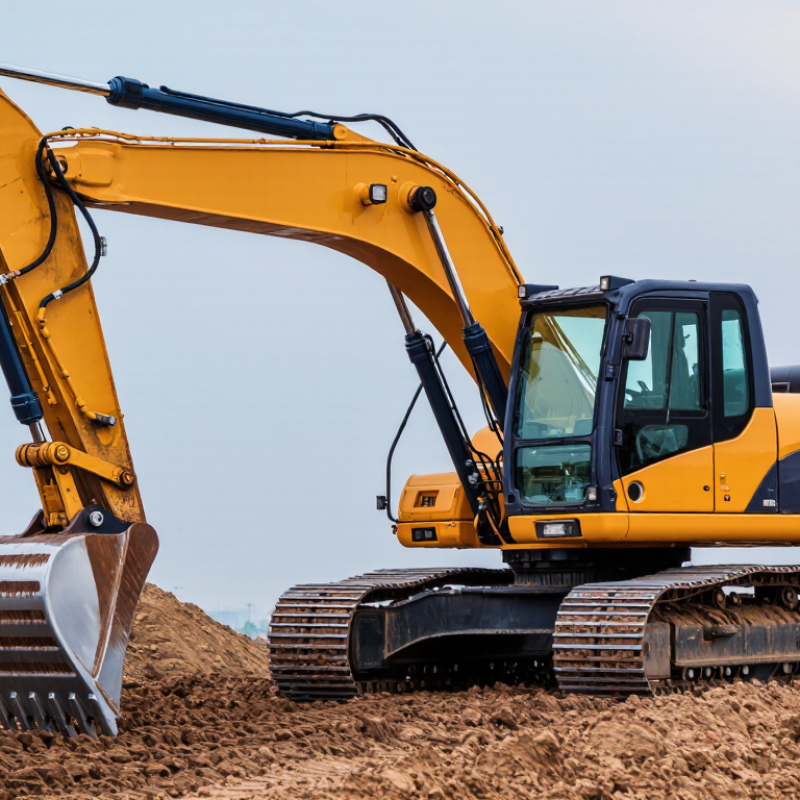
An excavator’s main structure has a lower frame, an undercarriage, and a rotating upper body. The undercarriage carries the machine across uneven ground. Steel tracks spread its weight and improve grip; wheels are used on some models. Rollers guide the tracks, while the drive sprockets move them. The lower frame connects these parts and supports the rotating assembly. Stability matters. Soft soil can still cause trouble.
Above the frame, a swing bearing lets the upper structure turn while the undercarriage stays in place. The upper body contains the operator’s cab, engine, and counterweight. The counterweight balances loads at the front, though it cannot make every lift safe. The boom, stick, and bucket form the main digging assembly. Hydraulic cylinders move these sections, helping the bucket cut into soil or lift material. A crack, loose pin, or worn joint can affect control, so inspections should follow the machine’s service guidance.
Tips: Check track tension and look for uneven wear. Inspect structural joints for cracks, especially around the boom base. Small changes matter. Clean away packed mud before checking pins and connections; dirt can hide damage. If something feels loose or movement changes, stop and have a qualified technician assess it. I would not rely on appearance alone.
The Boom, Arm, and Bucket: Excavation Components
The boom, arm, and bucket work as a linked digging system. The boom lifts and lowers the attachment, while the arm moves it closer to or farther from the machine. Hydraulic cylinders power these movements. On site, a small change in arm angle can decide whether the bucket clears a trench wall or scrapes it.
The bucket cuts into soil, curls to collect material, and opens to unload it. Its teeth meet compacted ground first; worn teeth can make penetration harder. ISO 6015:2006 sets methods for measuring hydraulic excavator tool forces, helping engineers compare digging performance under defined test conditions. Those figures do not predict every job: soil moisture, bucket shape, and operator technique also affect the result. Not always obvious. A bucket that fills easily in loose soil may struggle in wet clay. I would treat rated force as a useful reference, not a promise of daily output. One detail is often overlooked: the boom and arm must position the bucket accurately before its cutting edge can do efficient work.
What Are Excavator Parts and Their Functions?
The Boom, Arm, and Bucket: Excavation Components
A typical hydraulic excavator uses two cylinders to move the boom, one to move the arm, and one to curl the bucket. The boom raises and lowers the arm, the arm extends or draws it inward, and the bucket scoops and releases material. Cylinder layouts vary by machine.
The Engine and Hydraulic System: Power and Movement
An excavator’s engine supplies the power that makes digging possible. It burns fuel and turns that energy into mechanical motion. The engine drives a hydraulic pump, while its cooling system helps manage heat during long, demanding shifts. A clogged air filter or low coolant level can reduce performance. Small checks matter.
The hydraulic system converts engine power into controlled movement. The pump pushes pressurized fluid through hoses and valves to cylinders and hydraulic motors. Cylinders extend or retract to raise the boom, move the arm, and curl the bucket. Motors rotate the upper structure and drive the tracks. Clean fluid and sound seals help maintain steady pressure. A slow, jerky attachment may point to several issues, so avoid guessing from one symptom alone.
Tips: Check fluid levels and look for leaks before work. Keep the radiator area clear of packed dust. If a hose looks cracked or movement changes suddenly, stop and arrange an inspection. It is easy to overlook a small leak; I would not treat that as harmless.
The Cab and Controls: Operator Functions
The cab is the operator’s working space, but it is also a safety zone. Its seat, windows, mirrors, and display panels help the operator stay comfortable and monitor the machine. Adjust the seat and mirrors before moving, so the tracks, attachment, and nearby work area are easier to see. Clear visibility matters. Dust on a window or a poorly adjusted mirror can hide a person or obstacle. The cab’s protective structure and seat belt also help reduce injury risks when used as intended.
Controls turn operator input into machine movement. Joysticks commonly manage boom, arm, and bucket actions, while pedals or levers control travel and turning. Exact layouts vary, so check the machine’s instructions before operating. Smooth, measured inputs can make digging more precise and reduce sudden movement. It is easy to focus only on the bucket; the surrounding area deserves equal attention. Even an experienced operator can miss a changing blind spot.
Tips: Before starting, check the seat belt, windows, mirrors, and warning displays. Test controls only in a safe, clear area. If a control feels unfamiliar, stop and consult the operating guide or a qualified supervisor. A tidy cab helps, though it cannot replace careful observation.

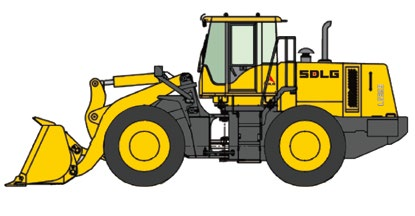 Wheel Loader
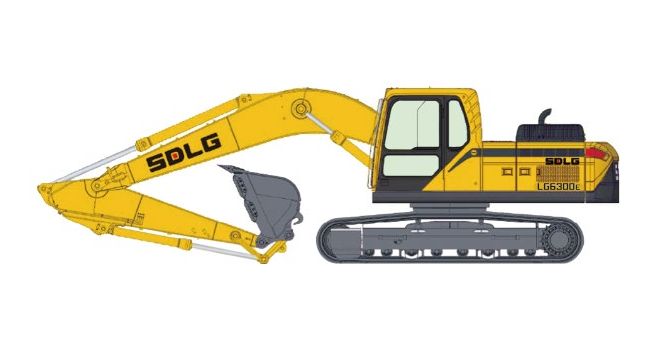 Excavator
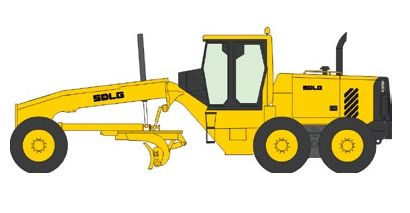 Motor Grader
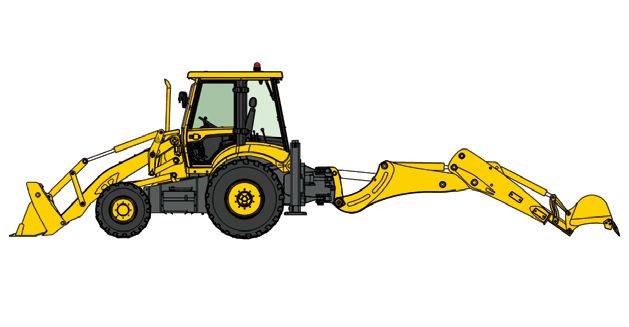 Backhoe Loader
 Road Roller
 Spare Parts