Leave Your Message

Why Is Heavy Machinery Transport So Expensive?

Heavy Machinery Transport can look like a simple trip from one site to another. In reality, moving a 40-ton excavator involves careful planning, specialized equipment, and costs that can rise before the machine leaves the yard. “The price is shaped by the load, the route, and the work needed to move it safely,” says fictional logistics specialist Elena Ward. This illustrative quote is not a verified statement from a real industry expert.

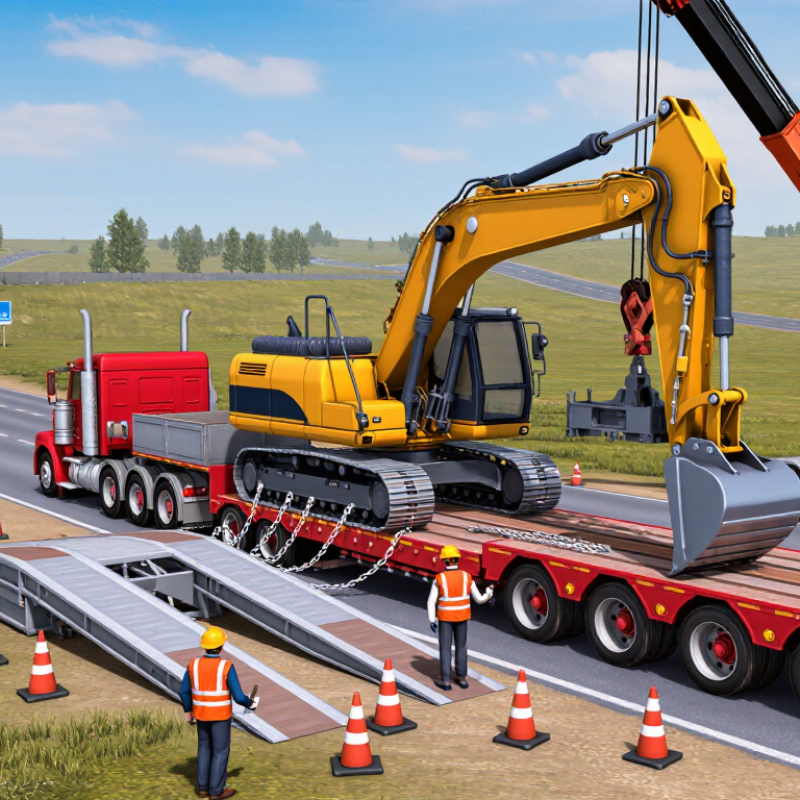
A lowboy trailer may be required to carry the machine’s weight and height. Then come loading, securement, permits, route checks, and sometimes escort vehicles. A narrow bridge, low overpass, or sharp rural turn can change the plan—and the price. Distance matters, but it is only part of the bill. Timing matters too. A last-minute move can mean fewer available trucks and less room to coordinate.

There are less visible costs. Operators may need to remove attachments, drain fluids, or prepare the equipment for transport. Loading can require a crane or a suitable ramp. Unloading may add labor and waiting time. It is easy to focus only on the mileage. That can be a mistake. Every job has its own details, and even a well-planned estimate can miss a complication at the pickup site. Understanding these cost drivers helps buyers compare quotes more fairly and ask better questions before booking Heavy Machinery Transport.
Why Is Heavy Machinery Transport So Expensive?

What Heavy Machinery Transport Involves

Heavy machinery transport is a controlled logistics operation, not simply a larger delivery. It may involve excavators, cranes, mining equipment, or industrial modules. Each load needs verified dimensions, axle weights, lifting points, and a securement plan. A route survey checks bridge limits, turning radii, road width, gradients, overhead cables, and weak shoulders. One missed measurement can change the entire plan.

The American Transportation Research Institute reported an average trucking operating cost of $2.270 per mile in its 2023 cost analysis. Heavy haulage can exceed that figure because specialized trailers, extra axles, escort vehicles, permits, and slower speeds increase each trip’s cost. Fuel also matters. ATRI recorded fuel costs of about 64 cents per mile for trucking operations in 2022. Heavy equipment often consumes more during loading, waiting, and controlled movement. Time is expensive here.

Transport teams coordinate cranes, riggers, drivers, surveyors, and traffic authorities. The Federal Highway Administration’s Freight Facts and Figures reports show how freight demand places continuing pressure on roads and bridges. Therefore, route approval is not a formality. It is an engineering decision. Weather can delay loading, while a narrow urban corner may require temporary traffic control. A spreadsheet may look complete and still miss a soft shoulder. That happens. Reliable planning uses current road data, certified load calculations, inspected restraints, and documented contingency costs. The final estimate is rarely perfect, but it should be explainable.

How Equipment Size and Weight Affect Transport Costs

A machine’s weight affects more than the truck’s fuel bill. A 30-ton excavator may need a multi-axle trailer to spread its load and keep axle weights within limits. The Federal Highway Administration’s Federal Bridge Formula links allowable vehicle weight to axle spacing, because concentrated loads place greater stress on bridges. More axles can help distribute weight, but they add equipment, tires, and setup costs. Heavy loads may also require route checks for bridge clearances, pavement limits, and turning space. Small details matter.

Size creates a separate cost. A wide dozer blade or tall crane component can require a specialized trailer, a longer route, or escort vehicles, depending on local requirements. The American Transportation Research Institute’s 2024 Operational Costs of Trucking report put average trucking operating costs at about $2.27 per mile in 2023. That is a broad industry benchmark, not a heavy-haul quote; oversized loads can cost substantially more because they need specialized handling and planning. I’ve seen estimates shift after a route review reveals a low bridge or tight turn. That part is easy to miss. Still, estimates can be imperfect: exact pricing depends on the machine’s dimensions, loading needs, distance, and the permits required for the route.

How Distance, Routes, and Site Access Shape Pricing

Why Is Heavy Machinery Transport So Expensive?

Distance is only the visible part of the price. A heavy machine may require a specialized trailer, escort vehicles, route surveys, and additional fuel. The American Transportation Research Institute reported an average U.S. trucking operating cost of $2.260 per mile in 2023. That figure covers ordinary freight, not oversized equipment. Heavy-haul movements can rise sharply when loading takes several hours or requires lifting support.

Routes create another cost layer. Bridges may have weight limits, while narrow roads can force long detours. Permits may also require approved travel times and detailed route planning. The Federal Highway Administration’s Freight Facts and Figures 2023 highlights the importance of highway networks for freight movement, but heavy machinery uses only suitable sections of those networks. A route that looks short on a map may be unusable in practice.

Site access is often the quiet price driver. A construction entrance may have soft ground, sharp turns, low wires, or no space for reversing. Field experience shows that a few difficult meters can delay an entire delivery. The U.S. Department of Transportation’s National Roadway Safety Strategy also stresses safer roadway planning and risk management. Those controls can add time, escorts, and equipment. Pricing is not always perfectly predictable. A preliminary site check can still miss an underground obstruction or sudden roadwork. That uncertainty deserves a clear contingency allowance, not a vague surcharge.

Why Permits, Escorts, and Safety Measures Add Expenses

Heavy machinery transport costs rise when a load exceeds ordinary size or weight limits. A lowboy trailer carrying an excavator may need permits for each jurisdiction along its route. Fees and processing times vary, and route reviews can identify low bridges, narrow turns, or weight-restricted roads.

Those reviews can require extra planning. A bridge may need an engineering assessment, while overhead wires may require coordination with utility crews. Depending on the route and load, escort vehicles may also be required to warn traffic and guide the truck through tight sections. More distance, additional crew hours, and schedule changes can increase the bill. Small details matter.

Tips: Ask for a written route plan and a clear breakdown of permit, escort, and safety charges. Confirm whether the estimate includes route changes and waiting time. Keep equipment dimensions and weight measurements accurate; a few inches can alter the route.

Safety measures add cost, but they help manage real risks. Crews may inspect tie-downs, check clearances, and adjust travel timing for weather or traffic. These steps take time and trained people. Even careful estimates can miss a road restriction or a delayed permit, so a contingency allowance is sensible. The amount depends on the load, route, and local requirements, not a single standard price.

How Scheduling and Specialized Equipment Influence Total Cost

Heavy machinery transport costs rise when a delivery window is tight. A lowboy trailer may need to arrive after road restrictions ease, while a crane or loading crew waits at the site. Missed appointments can leave specialized equipment and drivers idle. Timing matters. The American Transportation Research Institute’s 2024 Operational Costs of Trucking report recorded an average marginal trucking cost of $2.270 per mile in 2023. That figure covers trucking broadly, not heavy-haul jobs, but it shows why extra miles and waiting time matter.

Equipment choice adds another layer. A compact excavator may fit a standard lowboy, while a taller machine can require a deeper deck, route checks, and additional clearance planning. Heavy or wide loads may also need extra axles or escort vehicles, depending on the route and permit conditions. These arrangements can limit dispatch options and make return trips harder to coordinate. One common estimate gap is repositioning: the truck may travel empty before or after the loaded move. That adds up.

Tips: Share the machine’s exact dimensions, weight, pickup hours, and site access details before requesting a quote. Ask whether loading delays, route surveys, permits, escorts, and empty return miles are included. A firm schedule helps, but a little flexibility can prevent costly idle time.