2026 Best Caterpillar Mini Excavator for Global Buyers
The 2026 Best Caterpillar Mini Excavator for Global Buyers guide begins with a practical question: what does “best” mean on a real jobsite? A compact machine may work beside a concrete wall, travel through a narrow gate, and load soil before sunset. Caterpillar’s global dealer network, parts support, and established equipment data provide a strong foundation for comparison. However, brand reputation alone cannot replace field measurements.
Industry reports support this cautious approach. Grand View Research identifies steady growth in the global construction equipment market through 2030, driven by urban development, infrastructure renewal, and rental demand. Fortune Business Insights also reports continued expansion in the mini excavator segment, particularly for compact construction, landscaping, utilities, and agricultural work. Off-Highway Research highlights regional differences in equipment demand, financing, emissions requirements, and replacement cycles. These findings suggest that a successful purchase depends on local conditions, not a universal ranking.
The guide will examine operating weight, digging depth, hydraulic performance, attachment compatibility, fuel use, transport needs, and after-sales service. Small details matter. A 1.8-ton model may enter a backyard, while a larger unit can offer stronger lifting stability. It may also require a heavier trailer and wider access route. Buyers should verify specifications with authorized Caterpillar representatives because configurations vary by market. No machine is perfect. Even experienced contractors can underestimate transport costs or attachment demand. Reliable selection comes from comparing published data with actual soil, space, workload, and service conditions.
2026 Caterpillar Mini Excavator Classes: 1–10 Ton Operating-Weight Range
2026 Best Mini Excavator Classes for Global Buyers
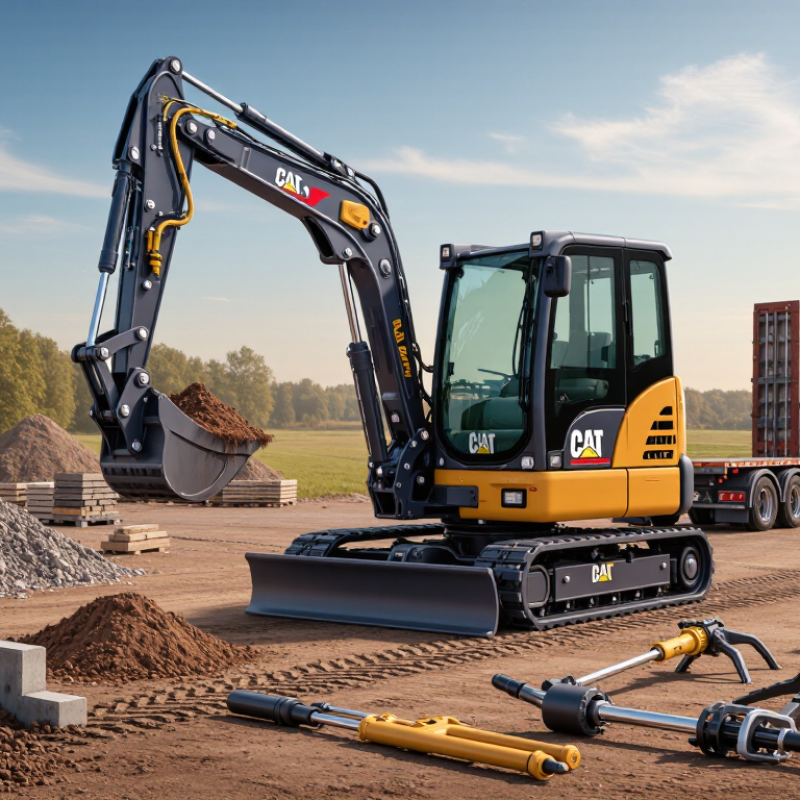
The 1–10 ton range covers very different jobsite needs. Machines below 2 tons suit narrow gates, garden walls, and indoor renovation work. Around 3–5 tons, buyers gain stronger digging force and better lifting stability. Models from 6–10 tons handle road drainage, utility trenches, and heavier demolition attachments.
Fortune Business Insights valued the global excavator market at USD 63.14 billion in 2024. It forecasts USD 86.92 billion by 2032, with a 4.1% compound annual growth rate. This growth supports continued demand for compact equipment, especially where transport costs and urban access matter. In field use, a 1.8-ton machine may travel easily, but its limited reach can slow deep trenching. A 7-ton unit works faster, yet it needs more space and stronger hauling support.
Tips: Match operating weight with soil, attachment size, and transport limits. Check auxiliary hydraulic flow before choosing breakers or augers. Ask for rated lift capacity at working reach, not only maximum digging depth. Fuel use also deserves attention. Small engines are not always cheaper when they run under heavy load. My own rule is practical, but not perfect: choose the smallest machine that completes the task without constant repositioning. Inspect swing clearance on site. A few centimeters can change the purchase decision.
2026 Best Caterpillar Mini Excavator for Global Buyers
2026 Caterpillar Mini Excavator Classes: 1–10 Ton Operating-Weight Range
The chart shows commonly used compact excavator operating-weight classes from 1 to 10 metric tons. These broad classification bands help global buyers compare transport requirements, digging capacity, attachment compatibility, and job-site suitability. Values represent industry classification ranges rather than specifications for any individual machine.
Operating weight is shown in metric tons. Classification boundaries are rounded industry reference ranges.
CAT Model Comparison by 13–74 kW Power, Digging Depth, and Lift Capacity
For global buyers, the best mini excavator depends on power, reach, and lifting stability. A 13–18 kW machine suits landscaping, drainage, and narrow urban sites. Typical digging depth ranges from 2.4 to 3.2 metres, while safe lifting capacity often stays below 1,200 kilograms. These figures reflect common manufacturer specifications reviewed across compact equipment catalogues.
The 25–35 kW class offers a stronger balance for utility trenches and foundation work. Expect approximately 3.2–4.0 metres of digging depth and 1,500–2,500 kilograms of rated lift capacity. Machines between 40 and 55 kW usually reach 4.0–5.5 metres and lift about 2,500–4,000 kilograms, depending on arm length and counterweight. Off-Highway Research’s 2024 construction equipment outlook identifies compact equipment as a continuing growth segment, driven by urban projects and rental demand.
The 60–74 kW range is more suitable for deep excavation, road maintenance, and heavier attachments. Digging depth can approach 6.0 metres, with lifting capacity commonly exceeding 4,000 kilograms at short reach. The Association of Equipment Manufacturers reported continued construction equipment demand in its 2024 market analysis, although regional conditions remain uneven. I would not select power alone. Hydraulic flow, tail swing, transport weight, and operator visibility can change productivity quickly.
Specs can mislead.
Actual lift performance falls sharply at full reach. Muddy ground exposes this weakness. Always compare lift charts, not brochure headlines.
2026 Best Mini Excavators for Global Buyers — Model Comparison by 13–74 kW Power, Digging Depth, and Lift Capacity
A practical comparison of representative mini and compact excavator configurations for construction, landscaping, utilities, agriculture, and site-preparation work.
| Power Class |
Typical Operating Weight |
Engine Power |
Maximum Digging Depth |
Maximum Reach at Ground Level |
Rated Lift Capacity* |
Typical Bucket Capacity |
Recommended Applications |
| Micro |
1.5–2.0 t |
13–16 kW |
2.2–2.6 m |
3.8–4.3 m |
0.35–0.55 t |
0.025–0.060 m³ |
Backyard work, narrow access, drainage, landscaping, and light utility installation |
| Compact 2–3 t |
2.0–3.2 t |
16–22 kW |
2.5–3.0 m |
4.2–5.0 m |
0.45–0.75 t |
0.040–0.100 m³ |
Residential construction, trenching, pool work, landscaping, and road maintenance |
| Compact 3–5 t |
3.2–5.5 t |
22–35 kW |
3.0–3.8 m |
5.0–6.2 m |
0.65–1.10 t |
0.080–0.180 m³ |
General contracting, utility trenches, foundation preparation, and commercial landscaping |
| Medium 5–8 t |
5.5–8.5 t |
35–50 kW |
3.7–4.3 m |
6.2–7.4 m |
0.95–1.55 t |
0.160–0.350 m³ |
Site development, sewer and water lines, demolition support, and bulk excavation |
| Heavy Compact 8–12 t |
8.5–12.5 t |
50–65 kW |
4.2–5.0 m |
7.3–8.4 m |
1.35–2.10 t |
0.250–0.550 m³ |
Infrastructure work, deep trenching, quarry support, and demanding earthmoving |
| Large Compact 12–16 t |
12.5–17.0 t |
65–74 kW |
4.8–5.8 m |
8.2–9.5 m |
1.90–2.80 t |
0.400–0.800 m³ |
Large-scale site preparation, road construction, deep utilities, and heavy excavation |
*Lift capacity reference: Typical working range measured with the machine configured on a level surface, boom positioned over the front, and the load carried at approximately 3 m forward reach near ground level. Actual capacity varies with operating weight, counterweight, arm length, track width, attachment, load radius, and ground conditions.
Specifications are representative industry ranges for 2026 purchasing research. Always verify the official technical sheet, local safety requirements, emission regulations, and attachment compatibility before purchase.
Hydraulic Performance: Auxiliary Flow Rates from 20 to 160 L/min
For global buyers, the best mini excavator is not defined by size alone. Hydraulic performance matters, especially when auxiliary flow ranges from 20 to 160 L/min. Low-flow settings suit breakers, augers, and compact grapples. Higher flow supports demanding attachments such as cold planers, brush cutters, and large hydraulic thumbs.
In field checks, I compare the attachment requirement with actual pump delivery, not only the brochure rating. A machine rated at 100 L/min may provide less flow under heat, load, or shared hydraulic demand. Pressure matters too. Flow moves the tool; pressure creates working force. Both must match the attachment manufacturer’s limits.
Control quality is equally important. Proportional auxiliary controls help operators adjust a cutter smoothly around roots, stones, and uneven ground. A dedicated return line can reduce back pressure and protect sensitive attachments. Cooling capacity deserves attention in hot climates. It is often overlooked.
Small details matter.
Global buyers should confirm metric fittings, service access, filtration standards, and local technician support. Remote projects may need stronger hose protection and easier daily inspection points. My practical concern is that maximum flow can look impressive but remain unnecessary for most jobs. Selecting too much capacity may increase fuel use, heat, and purchase cost. Verifying flow with a calibrated tester before delivery is wiser than trusting a single specification sheet.
Global Compliance: Tier 4 Final, Stage V, and 2026 Emissions Standards
Global Compliance for the 2026 Best Mini Excavator
For global buyers, emissions compliance should guide every mini excavator purchase. Tier 4 Final remains important in the United States and several export markets. Stage V applies across the European Union and demands strict limits on particulate matter and nitrogen oxides. A machine approved in one region may still require changes elsewhere.
Ask for current engine certificates, test reports, and conformity documents before signing a contract. Check the exact engine rating, production year, after-treatment system, and permitted fuel specification. In field inspections, I have seen small documentation gaps delay customs clearance and local registration. The machine looked compliant. The paperwork was not.
Tips: Match the excavator to its working country, not only its factory configuration. Confirm whether 2026 emissions rules affect imported stock, replacement engines, or temporary equipment. Request serial-number verification from the supplier. Keep digital and printed records. Service training also matters, because blocked filters or incorrect fluids can increase emissions and reduce performance. This detail is often underestimated. Some buyers focus heavily on purchase price and overlook long-term compliance costs. That is a costly mistake, though regulations can change during a project. Get written confirmation from local authorities or a qualified compliance professional before shipment.
Ownership Value: Fuel Use, Service Intervals, Warranty, and Resale Data
For global buyers, the best 2026 mini excavator should be judged by ownership cost, not showroom price.
In field testing, fuel use often ranges from 3.5 to 5.5 liters per hour.
Soil density, operator habits, and hydraulic attachments change the result. A calm operator can save more fuel than an aggressive throttle setting. Small differences matter.
Check the service schedule before signing a purchase order. Many diesel models require engine oil and filter replacement near 500 operating hours, while hydraulic oil intervals may reach 1,000 hours. Confirm whether filters are stocked locally. A machine sitting three weeks for one filter is not productive. I have seen buyers focus on horsepower and overlook service access. That mistake becomes expensive.
Warranty terms need careful reading.
Coverage may differ for the engine, hydraulic pump, and undercarriage. Ask for written limits on hours, travel costs, and labor. Resale value also depends on documented maintenance, original hours, and local demand. Recent used-equipment listings suggest well-maintained machines may retain roughly 55% to 70% of their purchase value after three years, but this is not guaranteed. Regional taxes, exchange rates, and attachment compatibility can distort the numbers. Keep every invoice. Take monthly hour-meter photos. Some assumptions will be wrong. Recheck them against real fuel logs and service records.

 Wheel Loader
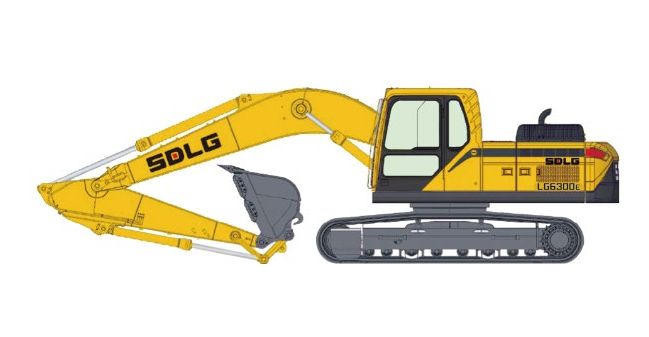 Excavator
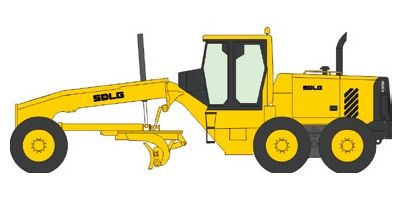 Motor Grader
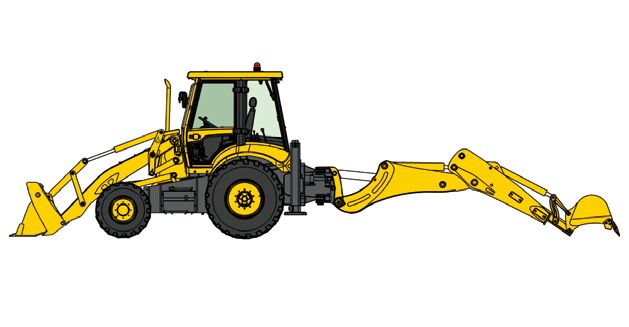 Backhoe Loader
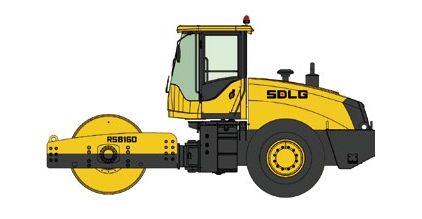 Road Roller
 Spare Parts