Leave Your Message

Which Is the Best Crawler Crane Manufacturer in China?

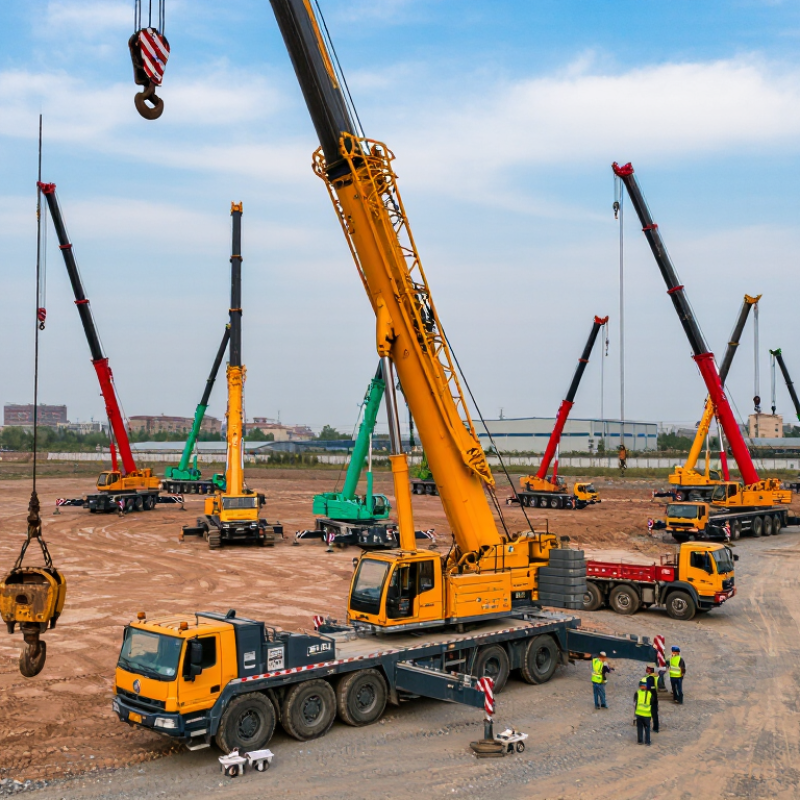
Choosing the best Crawler Crane manufacturer in China is not as simple as comparing headline lifting capacities. A crane that performs well on a wide, level site may be less suitable for a compact project with soft ground and frequent repositioning. Buyers should compare rated capacity, boom configuration, transport dimensions, ground pressure, fuel use, and safety features against actual job conditions. Details matter. Established Chinese manufacturers such as SANY, XCMG, and Zoomlion offer different models and support networks, but brand recognition alone cannot confirm the right fit.

This guide considers manufacturers through practical, verifiable factors: product range, published technical specifications, quality-control information, service coverage, spare-parts availability, and documented customer experience. It also explains how to check whether a dealer can provide commissioning, operator training, and timely parts support in the buyer’s region. Ask for model-specific documentation and inspect a machine or reference project when possible. A brochure is not a field test. No ranking is perfect. Project requirements, local service access, and budget can change the result, so claims should be checked rather than accepted at face value. The aim is to help readers make a better-informed shortlist, not to declare one manufacturer universally best.
Which Is the Best Crawler Crane Manufacturer in China?

What Defines a Crawler Crane Manufacturer?

A crawler crane manufacturer is defined by more than a factory floor or a polished product catalogue. It should control, or clearly document, the key steps: structural design, steel fabrication, component sourcing, assembly, and testing. Ask how weld quality is checked and whether load-test records match the crane’s serial number. Details matter.

Engineering depth shows in practical choices. Track frames must cope with uneven ground; boom sections need consistent fit; hydraulic lines should be routed for inspection and service. A capable manufacturer can explain rated capacity charts, ground pressure, transport dimensions, and operating limits in plain language. Ask for evidence, not broad promises: drawings, inspection procedures, test reports, and maintenance guidance. A quick factory visit can reveal whether parts are organized and inspection tools are actually used.

Support after delivery also counts. Spare-part availability, clear manuals, technician training, and response times affect a crane’s working life. For buyers comparing manufacturers in China, check that the proposed configuration suits the job, climate, and transport plan—not just the quoted price. No factory is flawless. Even so, a reliable supplier should discuss limitations openly and show how problems are tracked. That conversation can feel less impressive than a sales pitch, but it is often more useful.
Key Criteria for Evaluating Chinese Manufacturers

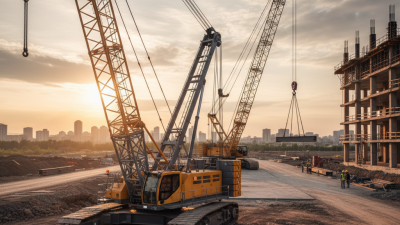
Choosing a crawler crane manufacturer in China starts with the worksite, not a brochure. Define the required lifting capacity, boom length, ground conditions, and transport limits. A crane suited to firm industrial yards may perform differently on soft, uneven terrain. Compare technical specifications against your actual lift plan, including load charts and configuration limits. Details matter.

Examine how the manufacturer controls design, welding, assembly, and testing. Ask for inspection records, material traceability, and evidence of load testing for the relevant model. During a factory visit, look closely at weld consistency, hydraulic connections, and component storage. Ask how faults are documented and corrected. Paperwork alone is not proof, but missing records deserve questions.

After-sales support is equally important. Confirm parts availability, technician training, response times, and the process for handling warranty claims. Request references from buyers operating similar cranes, then verify their experience directly where possible. An independent inspection can help confirm the delivered machine matches its stated configuration. One point is easy to overlook: a low purchase price may bring longer waits for parts. Buyers should compare total operating needs, not just headline cost, and note any uncertainty before signing.

Which Is the Best Crawler Crane Manufacturer in China?

Key criteria for evaluating manufacturers

Suggested evaluation weights for a procurement checklist—not measured market data or a manufacturer ranking. Verify rated lifting performance, applicable compliance documents, service coverage, spare-parts support, and lifecycle costs for each project.

Leading Crawler Crane Manufacturers in China

China’s leading crawler crane manufacturers should be compared by more than maximum lifting capacity. Check load charts, boom options, transport dimensions, and stability on uneven ground. On a confined site, compact transport dimensions may matter more than a record lifting figure. Small detail. Big consequence.

The China Construction Machinery Association reported that China’s construction machinery industry generated RMB 917.8 billion in operating revenue in 2023, with exports of about US$50.6 billion. These figures show the sector’s scale and export reach, but they do not prove that every crawler crane meets the same standard. That distinction matters. Ask shortlisted manufacturers for load-test records, weld inspection procedures, hydraulic-system specifications, and parts availability near your project. Request references from sites with similar ground conditions and lifting requirements.

KHL Group’s 2024 Yellow Table recorded about US$237.6 billion in combined sales for the 50 largest construction equipment manufacturers. It offers market context, not a crawler-crane quality ranking. Compare service response times, warranty terms, setup time, and fuel use under realistic working conditions. Then verify claims with equipment users. It can take extra effort. I would also examine how a crane performs during frequent repositioning, a detail brochures may not capture. The right choice depends on the lift plan, duty cycle, and local service support.

Which Is the Best Crawler Crane Manufacturer in China? — Leading Crawler Crane Manufacturers in China
Comparison dimension Useful data or planning range What to compare between manufacturers Evidence to request
Rated lifting capacity Common planning bands include 50–100 t, 100–300 t, 300–600 t, 600–1,000 t, and over 1,000 t. These are comparison bands, not regulatory classifications. Confirm capacity at the required working radius and crane configuration. Maximum rated capacity alone does not show lifting performance across the full load chart. Model-specific load charts, configuration details, and a lift-plan review for the intended lift.
Boom and jib configuration Available boom lengths, jib options, and working radii vary by model and configuration. Check whether the proposed configuration reaches the required height and radius while retaining adequate capacity. Configuration drawings, working-range diagrams, and load charts for the exact setup.
Transport and assembly Transport dimensions, component weights, counterweight packages, and assembly requirements are model-specific. Compare shipment size and weight with route limits, site access, available lifting equipment, and assembly space. Transport drawings, component-weight lists, and an assembly and disassembly plan.
Ground pressure and site suitability Ground pressure depends on crane configuration, track dimensions, machine weight, and load condition. Verify the stated ground pressure against the site’s geotechnical information and any required mats or ground improvement. Ground-pressure data for the intended configuration and project-specific ground assessment.
Safety and control systems Equipment and protective functions differ by model, market, and specification. Check the supplied monitoring, warning, limiting, and emergency functions against project rules and local requirements. System descriptions, manuals, inspection records, and applicable conformity documentation.
Service and spare parts Local service coverage, response times, and parts availability depend on the supplier, location, and contract. Compare support arrangements in the country where the crane will operate, rather than relying only on general sales claims. Written service coverage, parts commitments, technician availability, and warranty terms.
Operating and ownership costs Fuel use, maintenance intervals, consumables, and lifecycle costs vary with the model and operating conditions. Compare total cost over the planned ownership period, including transport, assembly, maintenance, and downtime assumptions. Itemized quotation, maintenance schedule, recommended parts list, and documented operating data.
Project and model references Relevant references should match the crane class, operating environment, and application under consideration. Prioritize verifiable experience with comparable lifts and similar site conditions. Reference projects, customer contacts where available, and records for the proposed model or an equivalent configuration.

Note: No single manufacturer is best for every project. Confirm all capacities and operating limits using the load chart and documentation for the exact crane model and configuration.

How Chinese Manufacturers Compare in Products and Support

Which Is the Best Crawler Crane Manufacturer in China?
How Chinese Manufacturers Compare in Products and Support

A useful comparison starts with the job, not the catalogue. Check lifting capacity, boom configuration, transport dimensions, and ground conditions against your project plan. A crane that looks capable on paper may not suit a tight site or frequent relocation. Ask for load charts and operating limits for the exact configuration you intend to use.

Support can separate similar machines. Compare warranty terms, technician availability, parts inventory, and expected delivery times for wear items. Ask how operators receive training and what service information comes with the crane. Specific answers are more useful than broad promises. Details matter.

A practical check is to request references for comparable projects and speak with local service teams before ordering. Confirm which parts are stocked nearby, and whether remote troubleshooting is available. No comparison is perfectly tidy: response times can vary by region, and published specifications do not reveal every maintenance challenge. Keep that in mind. The strongest choice is usually the one whose equipment fits the work and whose support plan is clear, documented, and realistic.

Choosing the Best Manufacturer for Your Project

Choosing the Best Manufacturer for Your Project

The right crawler crane manufacturer is not simply the one offering the largest lifting capacity. Match the machine to the heaviest planned load, its working radius, lift height, and ground conditions. A crane lifting steel beside a confined foundation may need a different configuration from one working across an open site. Small details matter.

Ask for load charts that cover your actual setup, including boom length, counterweight, and track position. Check how the manufacturer documents inspection, testing, operator training, and routine maintenance. Clear records make it easier to assess what the crane can safely do. Compare service coverage, parts availability, and expected response times, especially if your project runs far from major service centers. A competitive price may mean little if a missing component keeps the crane idle.

If possible, review a demonstration or speak with users handling similar lifts. Look for practical details: how components are transported, how assembly works on site, and whether maintenance points are reachable without awkward access. No brochure can answer every question. I would also challenge my own assumptions: a familiar specification may look suitable on paper but fail to reflect tight access, soft soil, or changing schedules. Ask the manufacturer to explain trade-offs in writing, then have a qualified lifting professional check the proposed configuration against your site plan.