 Wheel Loader
 Excavator
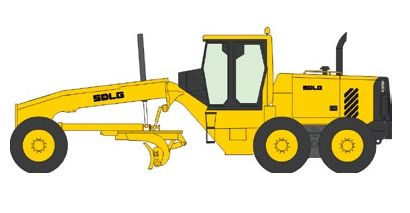 Motor Grader
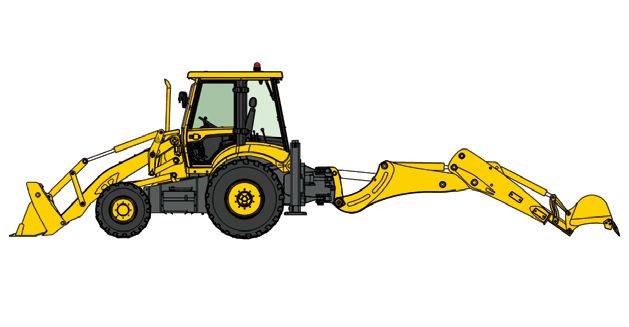 Backhoe Loader
 Road Roller
 Spare Parts
Leave Your Message
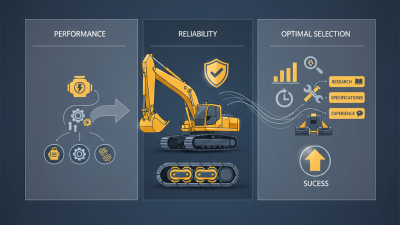
Choosing among the 10 Best Excavation Equipment Brands for Global Buyers requires more than comparing horsepower and purchase prices. Excavation Equipment must perform reliably across changing soil conditions, climates, jobsite rules, and operator skill levels. A crawler excavator that excels on a damp road project may feel inefficient on a compact urban site. Small details matter, including hydraulic response, bucket visibility, cab comfort, undercarriage strength, and access to replacement filters.
Jim Umpleby, Caterpillar chairman and chief executive officer, has stated, “We are helping our customers build a better, more sustainable world.” That principle is useful when evaluating leading brands. Fuel consumption, emissions technology, electric options, telematics, and machine life now influence ownership decisions. So do dealer coverage, technician training, warranty terms, financing support, and parts availability across borders. A low purchase price can become expensive when a critical component waits weeks for delivery.
This guide compares established manufacturers through a practical global lens. It considers excavators, loaders, bulldozers, and related machines. It also examines resale value and long-term operating costs. The ranking is not absolute. Local soil, workload, import conditions, and service quality can change the result. Even respected brands may disappoint when the dealer network is weak. That is an uncomfortable point, but global buyers should not ignore it. The strongest choice is usually the machine that keeps moving, not merely the one with the most impressive brochure.
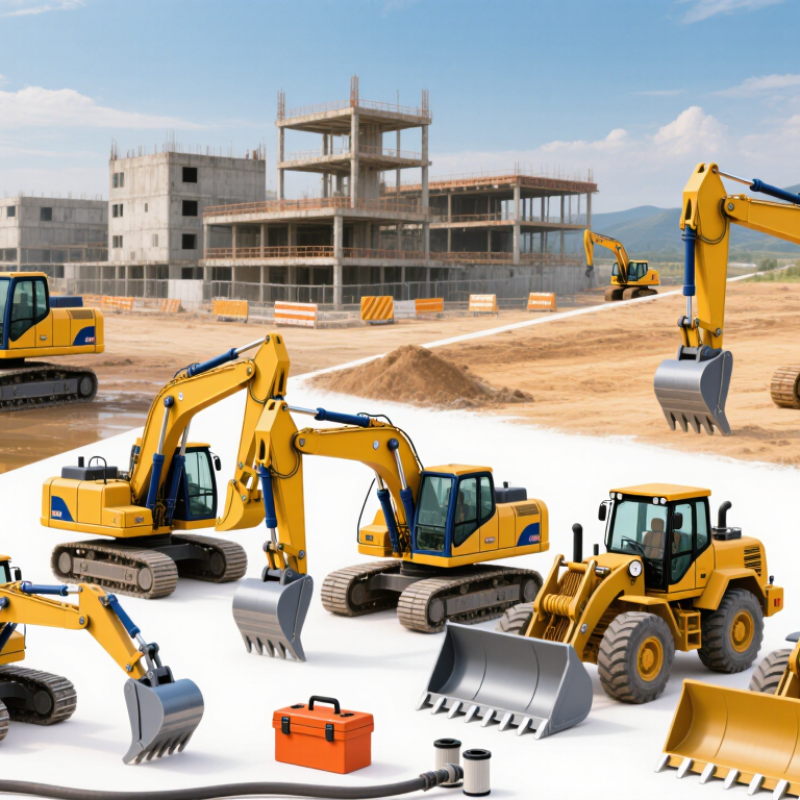
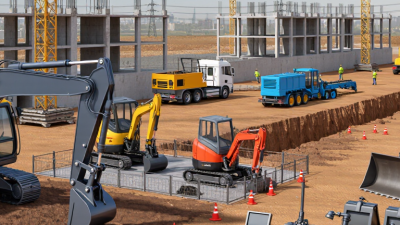
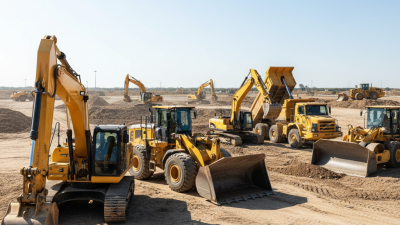
Excavation equipment includes machines designed to dig, loosen, lift, and move soil or rock. Common types include hydraulic excavators, mini excavators, backhoe loaders, crawler excavators, and trenchers. Each suits different ground conditions. A 1.8-ton mini excavator can work beside a house, while a crawler excavator offers stability on rough terrain.
Fortune Business Insights valued the global excavator market at USD 63.14 billion in 2023. It forecasts USD 87.14 billion by 2032, representing a 3.6% compound annual growth rate. This demand reflects road construction, utility installation, mining, housing, and flood-control projects. In Southeast Asia, compact machines often fit narrow streets. In open-pit mines, high-capacity excavators handle deeper cuts and longer operating cycles.
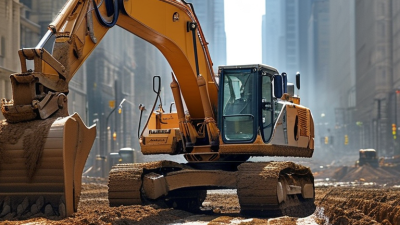
Global buyers should assess soil density, transport limits, fuel use, attachment compatibility, and local service access. Buckets, breakers, augers, and grapples can change one machine’s practical role. Operators should also review rated lifting capacity, hydraulic flow, visibility, and noise performance. These details matter more than appearance.
Reality is less tidy. Reported productivity may assume ideal soil and skilled operators. Wet clay, heat, and delayed maintenance can reduce output sharply. Field trials are wiser than brochures. A machine that works efficiently on dry ground may struggle after heavy rain. Reliable decisions require verified specifications, documented testing, and safety training aligned with local requirements.
Equipment-focused comparison for global buyers. Specifications below represent common industry ranges and typical applications; actual performance depends on configuration, soil conditions, attachments, and local regulations.
| Equipment Type | Definition and Primary Function | Typical Operating Weight | Typical Power Range | Common Attachments | Best-Suited Excavation Work | Global Applications | Key Buyer Considerations |
|---|---|---|---|---|---|---|---|
| Mini Excavator | Compact tracked excavator designed for digging, lifting, grading, and utility work in restricted areas. | 0.8–8 tonnes | 8–55 kW | Buckets Augers Hydraulic breakers Tilt buckets | Trenches, landscaping, residential foundations, drainage, and light demolition. | Urban construction, residential development, utility installation, agriculture, and road maintenance. | Check transport width, tail-swing design, auxiliary hydraulic flow, operator visibility, and noise limits. |
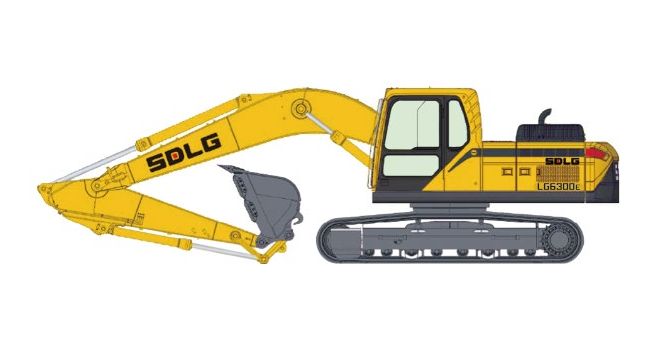
| Crawler Excavator | Tracked hydraulic excavator used for general earthmoving, deep digging, material handling, and demolition. | 10–50 tonnes | 70–330 kW | General-purpose buckets Rock buckets Breakers Grapples | Large foundations, mass excavation, quarrying, canal work, and heavy demolition. | Highway projects, mining support, ports, flood-control works, and large commercial construction. | Evaluate ground pressure, boom configuration, bucket capacity, hydraulic cycle time, and undercarriage durability. |
| Wheeled Excavator | Rubber-tired excavator offering fast travel between work areas and reduced surface damage on paved sites. | 10–25 tonnes | 80–170 kW | Buckets Forks Sweepers Breakers | Roadside excavation, urban utilities, maintenance, loading, and short-distance site mobility. | European-style urban works, municipal services, road construction, rail maintenance, and utility repair. | Consider road homologation, axle load, steering modes, stabilizers, tire selection, and travel speed. |
| Long-Reach Excavator | Excavator fitted with an extended boom and arm for reaching deep or distant work zones. | 20–50 tonnes | 110–300 kW | Long-reach buckets Dredging pumps Breakers Grapples | Deep drainage, slope work, dredging, demolition from a safe distance, and canal maintenance. | River restoration, reservoirs, wetlands, bridge construction, coastal works, and industrial demolition. | Prioritize reach-versus-lift charts, machine stability, transport height, hydraulic pressure, and boom protection. |
| Dragline Excavator | Large machine that uses a suspended bucket, hoist rope, and drag rope to excavate from a considerable distance. | Several hundred to more than 10,000 tonnes for large mining units | Electric drive systems commonly range from hundreds of kilowatts to several megawatts | Dragline buckets Heavy-duty hoist systems | Large-scale overburden removal, surface mining, deep pits, and major civil excavation. | Coal and mineral mines, large reservoirs, major infrastructure corridors, and specialized bulk excavation. | Requires substantial capital, engineered foundations, high-voltage power, specialized maintenance, and site planning. |
| Backhoe Loader | Multi-purpose machine combining a front loader with a rear hydraulic excavator. | 7–12 tonnes | 55–110 kW | Loader buckets Trenching buckets Forks Compaction wheels | Small trenches, loading, backfilling, road repairs, material handling, and general site preparation. | Rural infrastructure, municipal construction, farming, utility maintenance, and developing-market projects. | Look for four-wheel drive, extendable dipper options, stabilizer design, hydraulic versatility, and service access. |
| Skid-Steer Loader | Compact loader steered by varying the speed of the left and right wheel or track sides independently. | 2.5–5 tonnes | 35–75 kW | Buckets Trenchers Augers Cold planers | Light excavation, grading, demolition, material handling, and attachment-based construction tasks. | Urban construction, landscaping, farm improvement, warehouse sites, and road maintenance. | Compare rated operating capacity, auxiliary hydraulic flow, tipping load, tire or track choice, and attachment support. |
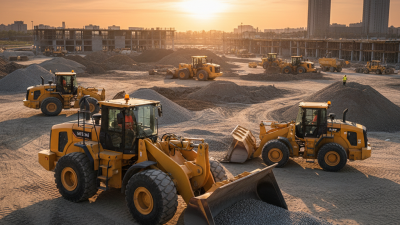
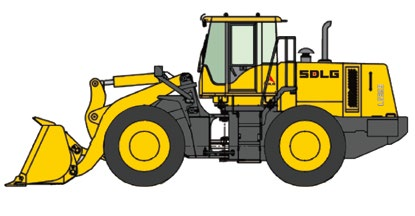
| Wheel Loader | Front-loading machine optimized for scooping, carrying, stockpiling, and loading bulk materials. | 10–35 tonnes | 100–350 kW | General-purpose buckets High-dump buckets Forks Material-handling tools | Loading excavated soil, aggregates, waste, and rock; site clearing and stockpile management. | Quarries, mines, recycling plants, ports, concrete facilities, and major construction sites. | Assess breakout force, bucket capacity, cycle time, fuel or energy consumption, tire cost, and operator comfort. |
| Trencher | Specialized machine that cuts continuous narrow trenches for cables, pipes, drainage, or irrigation systems. | 1–25 tonnes, depending on configuration | 20–350 kW | Chain booms Wheel cutters Rock saws Spoil conveyors | Pipeline corridors, fiber-optic installation, utility trenches, agricultural drainage, and irrigation. | Telecommunications, renewable-energy corridors, water networks, rail projects, and agricultural development. | Match cutting depth and width to the utility design; verify soil capability, spoil handling, and ground-clearance needs. |
| Hydraulic Dredger | Floating or amphibious excavation system that removes sediment using a bucket, cutter, or hydraulic suction process. | Varies widely; compact amphibious units may be under 10 tonnes, while large dredgers exceed several thousand tonnes | Approximately 50 kW to several megawatts | Cutter heads Suction pumps Clamshell buckets Discharge pipelines | Channel deepening, sediment removal, reclamation, shoreline work, and waterway maintenance. | Ports, rivers, reservoirs, flood-control systems, coastal protection, and land-reclamation projects. | Review production rate, sediment characteristics, discharge distance, environmental permits, and marine safety requirements. |