What is a Crawler Crane and How Does It Work?
Crawler cranes are essential machines in the construction industry, known for their versatility and stability. David Smith, a recognized expert in heavy machinery, once stated, "Crawler cranes can navigate difficult terrains with ease." This capability makes them indispensable on various job sites.
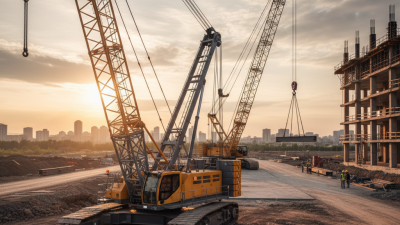
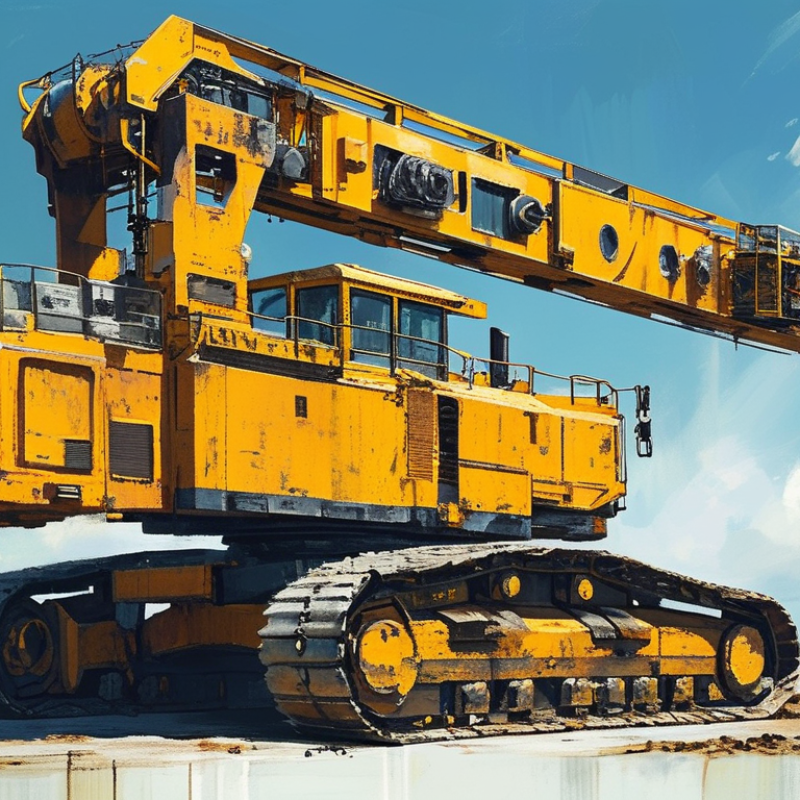
When discussing a Crawler Crane, it’s vital to understand its unique design. Unlike traditional cranes, they feature a robust undercarriage equipped with tracks. This structure allows them to distribute weight effectively, minimizing ground pressure. As a result, Crawler Cranes excel when working on uneven or soft ground.
However, they are not without challenges. Operating a Crawler Crane requires specialized training and expertise. Misjudging load limits or terrain conditions can lead to accidents. As the industry evolves, continuous learning is crucial for safe and effective crane operation. Such insights underline the importance of expert knowledge in utilizing Crawler Cranes effectively.
What is a Crawler Crane?
A crawler crane is a type of heavy machinery designed for lifting and moving large objects. It features a robust, mobile base equipped with tracks, allowing it to navigate challenging terrains. This design provides stability and traction, making it suitable for construction sites and other demanding environments. Unlike standard cranes, crawler cranes do not require outriggers for support, which simplifies setup and enhances mobility.
The machine operates using a rotating superstructure mounted on the tracks. Its boom extends and retracts, enabling it to raise loads at various angles. Operators control the crane remotely, ensuring precision when positioning heavy materials. Safety is a crucial aspect of its design, but accidents can still occur. Understanding the machine's capabilities and limitations is vital for safe operation. Proper training for operators is necessary to mitigate risks and ensure effective usage.
In the field, crawler cranes often face obstacles like rough terrains or narrow spaces. These challenges can affect their performance. Regular maintenance checks are essential to keep the equipment in optimal condition. Observing how the crane interacts with its environment can reveal areas for improvement. Operators should reflect on their experiences to enhance efficiency and safety in future projects.
Components of a Crawler Crane
Crawler cranes are versatile machines designed for lifting heavy loads on construction sites. Their primary components each serve a crucial role in ensuring efficient operation. The base is a crawled chassis that provides stability on uneven terrain. This feature enables safe movements, especially when lifting heavy objects.
The boom is another vital part. It extends the reach of the crane, allowing for various lifting angles. Some crawler cranes can reach heights exceeding 300 feet. According to a recent industry report, the global crawler crane market is expected to grow by 5% annually through 2025. This growth signals a rising demand for construction projects that require their unique capabilities.
Counterweights are key for maintaining balance. They prevent tipping during lifting operations. Many cranes have modular counterweights, which allow for adjustments based on the load. However, improper placement can lead to accidents. Operators must be trained to optimize the setup for each job. Safety and efficiency depend on understanding the crane's components and their interactions.
How Crawler Cranes Operate and Function
Crawler cranes are essential in construction, known for their stability and versatility. These cranes have a tracked base, allowing them to operate on uneven terrain. Their structure distributes weight evenly, reducing the risk of tipping over. According to the latest Global Construction Equipment Market report, the crawler crane segment is projected to grow by 5% annually through 2026. This growth reflects a rising demand in infrastructure projects worldwide.
The hydraulic systems of crawler cranes enable precise lifting capabilities. These systems are critical for handling heavy loads efficiently. For instance, they can lift materials weighing up to 3,000 tons. However, their operation requires skilled operators. Inaccuracies can lead to accidents or equipment failure. Data from the Occupational Safety and Health Administration indicates that improper crane operation accounts for approximately 24% of construction fatalities.
Moreover, crawler cranes offer a notable advantage in mobility. They can be transported to various job sites with minimal assembly. Despite this, their slow travel speed can be a drawback in some scenarios. Project managers need to consider this when planning logistics. Crawler cranes exemplify modern engineering, combining power and precision in construction.
What is a Crawler Crane and How Does It Work? - How Crawler Cranes Operate and Function
| Dimension |
Value |
| Max Load Capacity |
600 tons |
| Boom Length |
90 meters |
| Weight |
150 tons |
| Travel Speed |
1 km/h |
| Operating Radius |
80 meters |
| Fuel Capacity |
600 liters |
| Engine Power |
400 HP |
Applications of Crawler Cranes in Construction
Crawler cranes are an essential piece of equipment in modern construction. Their ability to maneuver across various terrains makes them highly versatile. Sites that require heavy lifting benefit greatly from these cranes. They can easily operate in restricted spaces and uneven surfaces, which traditional cranes struggle with.
In construction, crawler cranes often handle large, heavy materials like steel beams and concrete slabs. Their tracks distribute weight evenly, reducing ground pressure. This feature allows them to work on softer ground without the risk of sinking. Operators must be skilled, as precision is crucial. The height of the crane can be adjusted for different tasks, enhancing its functionality.
Despite their advantages, using crawler cranes has challenges. Limited space can hinder their movement. Planning is crucial to avoid accidents or delays. Operators must also be aware of load limits and terrain conditions. This awareness is vital to ensure safety and efficiency on the job site.
Advantages and Limitations of Crawler Cranes
Crawler cranes are celebrated for their mobility on rough terrain. They use tracks instead of wheels, allowing them to navigate soft soil and uneven surfaces. This design provides better stability, which is crucial for lifting heavy loads. Their versatility makes them suitable for various construction sites, including those with limited access.
However, crawler cranes have limitations. They often require more setup time than other cranes. The tracks can damage paved surfaces, making them less ideal for urban environments. Additionally, their weight can pose challenges for transportation. Sometimes, they are not the best choice for lifting tasks that require quick repositioning. These factors must be considered when planning a project.
Despite their effectiveness, crawler cranes can be complex machines. Operators need proper training to handle them safely. Misjudgments can lead to accidents, emphasizing the importance of expertise. Balancing the advantages and limitations of crawler cranes is essential for successful operations.

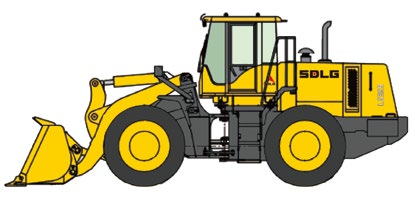 Wheel Loader
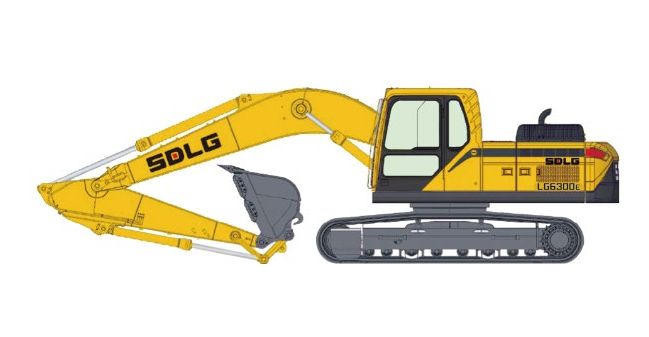 Excavator
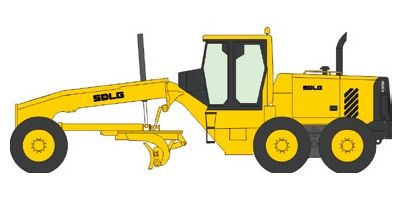 Motor Grader
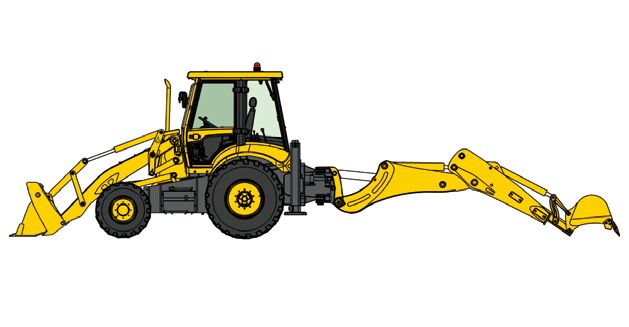 Backhoe Loader
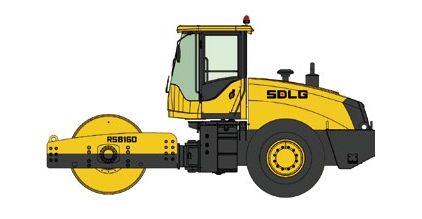 Road Roller
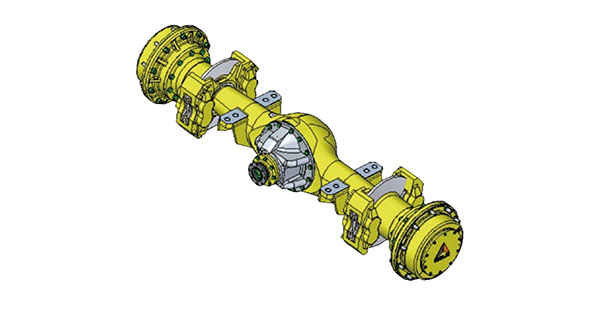 Spare Parts