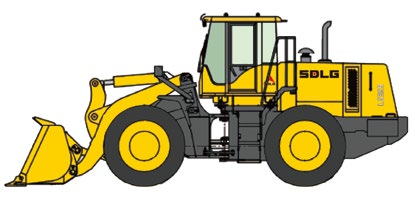
 Wheel Loader
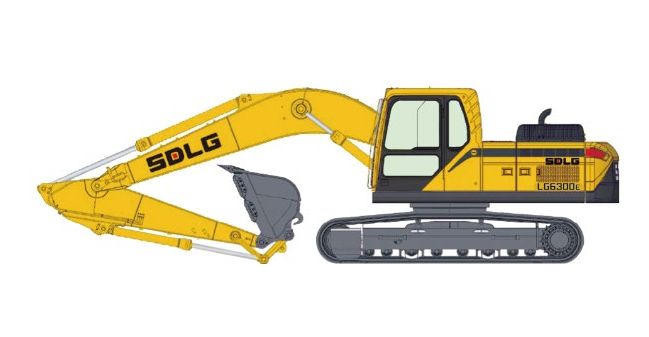 Excavator
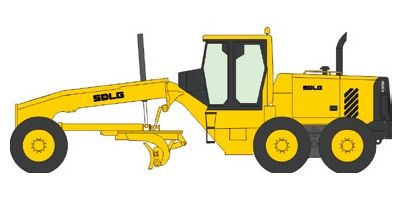 Motor Grader
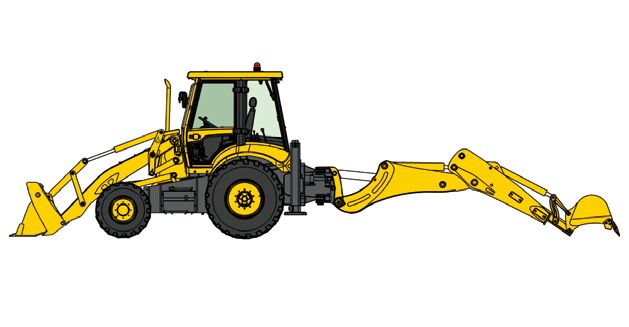 Backhoe Loader
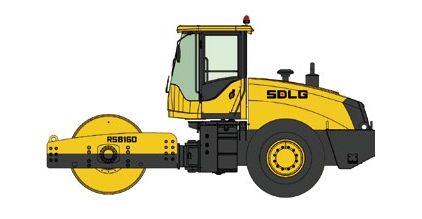 Road Roller
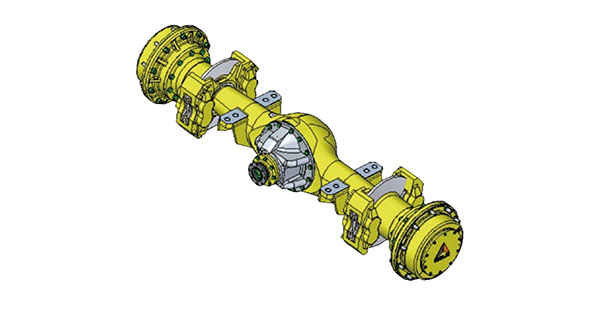 Spare Parts
Leave Your Message
Choosing the right Construction Machines starts with the worksite, not a glossy brochure. Soil, slope, access width, lifting height, and daily output shape every decision. An excavator suited to firm ground may struggle on wet clay. A compact loader can fit narrow streets, yet it may lack capacity for demanding earthmoving. Measure the site carefully. Small errors become expensive delays.
This guide follows practical criteria used by contractors, fleet managers, and equipment specialists. We will compare machine size, attachment compatibility, fuel or battery needs, operator visibility, transport limits, and maintenance support. Manufacturer specifications provide a starting point, but field testing reveals more. Ask for a demonstration on similar ground. Check hydraulic response, turning clearance, noise, and control comfort. Review service intervals and parts availability with an authorized dealer. Also calculate total ownership cost, including tires, energy, insurance, downtime, and resale value.
There is no perfect machine. A cheaper purchase can become costly when productivity falls or repairs interrupt a schedule. Rental may be wiser for short projects, although frequent hire fees can quietly exceed ownership costs. That judgment depends on honest records. Keep production estimates realistic. Reconsider them after the first week. Safety remains central: verify training, guarding, load ratings, and site risk controls before operation. This approach cannot remove every uncertainty, but it makes decisions more transparent, defensible, and suited to real construction conditions.
How to Choose the Right Construction Machines
Define the Project Requirements and Operating Conditions
Start with the work, not the machine. Record material type, daily volume, lift height, digging depth, travel distance, and available access. A compact excavator may fit a narrow gate, but its slower cycle can delay a large earthmoving project. Estimate output using bucket volume, payload, cycle time, and expected working hours.
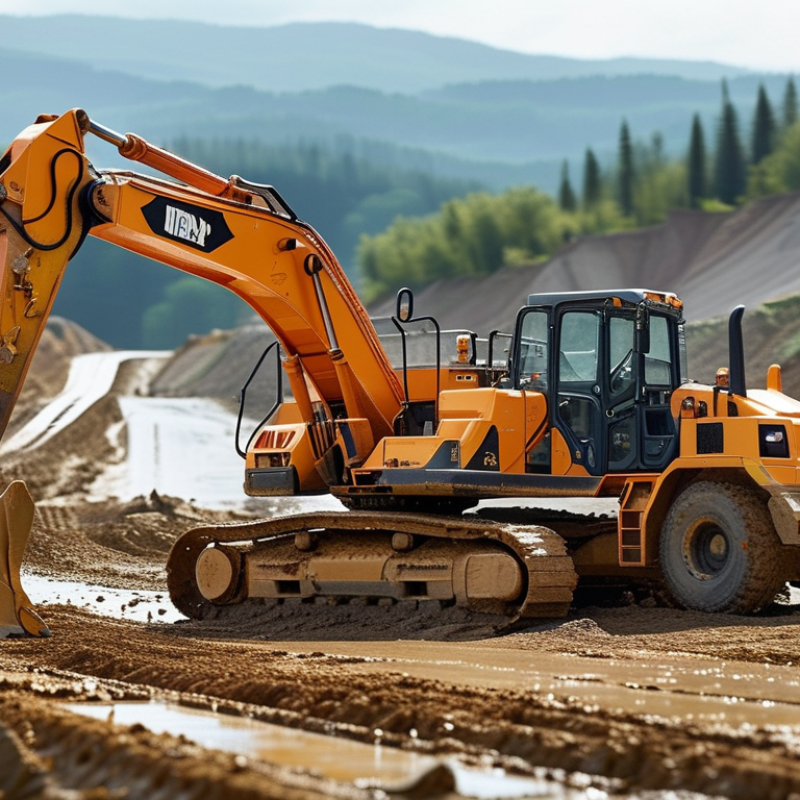
Operating conditions can change the decision quickly. Soft clay needs low ground pressure and careful traction control. Rocky ground demands suitable attachments and reinforced working systems. On steep sites, check stability, braking, turning radius, and emergency access. Measure the narrowest passage, not the average one. Small oversights become expensive delays.
Energy and safety also deserve measurable targets. The International Energy Agency’s Buildings 2023 report states that buildings accounted for about 30% of global final energy use in 2022. Select machines that match the workload, rather than oversizing every unit. Track fuel or electricity per operating hour, idle time, and completed tonnes. The International Labour Organization estimates 2.78 million work-related deaths and 374 million non-fatal injuries annually. That figure is global, not machine-specific, but it reinforces disciplined risk assessment. I would recheck the plan after rain, temperature changes, or crew changes. Specifications can look perfect on paper. Real ground conditions often disagree.
| Project Requirement | Operating Condition | Recommended Machine Type | Typical Working Parameters | Why It Fits | Selection Checks |
|---|---|---|---|---|---|
| Excavating foundations, trenches, and below-grade structures | Confined or open construction site; soil ranges from loose earth to moderately hard material | Hydraulic Excavator |
Operating mass: approximately 1.5–45 tonnes Bucket capacity: approximately 0.03–3.0 m³ Working depth: commonly 2–7 m, depending on machine size |
Provides controlled digging, lifting, trenching, and loading with interchangeable attachments. | Match digging depth and reach to the excavation plan. Check tail-swing clearance, ground bearing capacity, attachment flow requirements, and transport limits. |
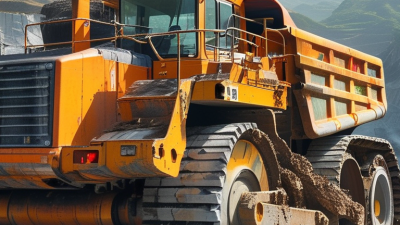
| Moving loose soil, sand, gravel, or demolished material over short distances | Firm, prepared ground with repeated loading and stockpiling cycles | Wheel Loader |
Operating mass: approximately 5–35 tonnes Bucket capacity: approximately 0.8–6.5 m³ Travel speed: often higher than tracked loading equipment |
Efficient for loading trucks, feeding crushers, clearing sites, and handling bulk materials on stable surfaces. | Confirm bucket size matches material density and truck payload. Evaluate traction, turning radius, travel distance, tire durability, and loading height. |
| Dozing, spreading, and rough grading of soil or aggregate | Soft, uneven, muddy, or sloped terrain where traction is important | Crawler Dozer |
Operating mass: approximately 7–100 tonnes Blade width: commonly 2.5–6.0 m Ground pressure: generally lower than wheeled equipment of similar mass |
Tracks provide strong traction and stability for pushing, stripping, spreading, and initial site preparation. | Choose blade type for the material and task. Check slope capability, transport width, ground pressure, visibility, and expected dozing distance. |
| Fine grading for roads, drainage channels, pads, and foundations | Prepared or semi-prepared ground where elevation accuracy and a smooth finish are required | Motor Grader |
Operating mass: approximately 10–25 tonnes Moldboard width: commonly 3.0–4.3 m Typical use: precise shaping, crowning, ditching, and finish grading |
Offers long-wheelbase stability and an adjustable moldboard for accurate surface shaping. | Verify moldboard reach, articulation, steering configuration, visibility, and compatibility with machine-control or laser-guidance systems. |
| Compacting soil, subbase, asphalt, or granular fill | Material moisture and layer thickness must be controlled; work may occur on slopes or confined areas | Compactor |
Machine mass: approximately 1–20 tonnes Drum or tire type: smooth, padfoot, pneumatic, or combination Compaction method: static weight, vibration, kneading, or tire pressure |
Improves density and load-bearing performance when the machine type is matched to the material. | Use padfoot drums for cohesive soils, smooth drums for granular materials and asphalt, and pneumatic rollers for kneading and sealing. Confirm layer thickness and moisture range. |
| Loading excavated material into haul trucks | High-cycle operation with adequate space for truck positioning and machine swing | Excavator or Wheel Loader |
Excavator bucket: selected by material density and truck payload Loader bucket: commonly 1–6 m³ Target: balanced bucket-to-truck cycle times |
Both machine types can achieve efficient truck loading when their capacity and cycle time are properly matched. | Estimate bucket passes per truck, swing or travel distance, material density, truck height, and hourly production. Avoid undersized buckets that increase cycle time. |
| Transporting aggregate, soil, and rock across rough or long internal haul routes | Uneven terrain, gradients, wet ground, or haul roads that are unsuitable for standard road trucks | Articulated Haul Truck |
Payload: approximately 15–45 tonnes Body volume: commonly 10–30 m³ Drive layout: articulated chassis with multiple driven axles |
Designed for off-road payload movement and improved traction on rough or variable ground. | Check payload against loading equipment, haul distance, road width, slope, turning radius, tire conditions, and dumping clearance. |
| Lifting pipes, structural components, precast units, or heavy site materials | Load radius, ground conditions, overhead obstructions, and wind exposure must be controlled | Mobile Crane |
Rated capacity: approximately 10–500 tonnes, depending on configuration Critical factor: capacity decreases as working radius increases Setup: outriggers may be required |
Provides lifting mobility and can serve multiple locations on a project when properly configured. | Use the manufacturer’s load chart for the exact boom, counterweight, radius, and outrigger position. Confirm ground bearing pressure, exclusion zones, rigging, and wind limits. |
| Moving pallets, blocks, reinforcement materials, or equipment around a building site | Indoor or outdoor areas with limited access, uneven surfaces, or changing ground levels | Telehandler |
Lift capacity: commonly 2–5 tonnes Lift height: approximately 6–18 m Attachment options: forks, buckets, hooks, and work platforms |
Combines lifting and forward reach for flexible material handling where conventional forklifts may be unsuitable. | Check load chart at the required reach, attachment approval, ground slope, tire type, visibility, and whether personnel lifting is legally permitted. |
| Breaking concrete, rock, or hard surfaces | Urban, demolition, quarry, or infrastructure work with noise, vibration, dust, and flying-debris controls | Excavator with Hydraulic Breaker |
Carrier size: selected according to breaker mass and hydraulic flow Breaker output: depends on impact energy, frequency, and material hardness Work pattern: short, controlled impacts rather than continuous prying |
Uses the excavator’s reach and hydraulic power to perform selective demolition and material reduction. | Match breaker weight, oil flow, operating pressure, and carrier stability. Plan dust suppression, hearing protection, vibration control, and utility isolation. |
| Drilling holes for foundations, anchors, utilities, or geotechnical investigation | Rock or soil conditions vary; underground utilities and access restrictions may affect drilling position | Drill Rig |
Drilling diameter: commonly 50–300 mm for many construction applications Drilling depth: selected according to foundation or investigation design Methods: rotary, rotary-percussive, auger, or down-the-hole |
Can be configured for different ground conditions, hole diameters, and depth requirements. | Review geotechnical data, groundwater, required hole tolerance, access height, mast clearance, dust control, and utility-location procedures. |
| Placing and distributing ready-mixed concrete at height or over long reach | Continuous concrete supply is available; access for setup and boom movement is adequate | Concrete Pump |
Delivery output: commonly 20–150 m³/h, depending on pump configuration Reach: selected by horizontal or vertical placement distance Material: concrete mix must meet pumpability requirements |
Reduces manual handling and supports consistent placement in slabs, walls, columns, and elevated work. | Check line diameter, aggregate size, slump, pressure, washout arrangements, setup stability, power supply, and uninterrupted mixer-truck access. |
| Demolition, site clearance, and sorting of mixed construction materials | Restricted urban site, dust-sensitive area, unstable structures, or work near occupied buildings | Compact Excavator or Skid-Steer Loader |
Operating mass: approximately 1–10 tonnes Attachments: breaker, grapple, shear, bucket, broom, or auger Access: narrow width and low tail swing may be available |
Compact dimensions and attachment flexibility support selective work in tight or congested locations. | Confirm doorway and gate dimensions, floor loading, hydraulic auxiliary flow, operator visibility, debris protection, and noise restrictions. |
| Operating in wet, soft, sandy, or environmentally sensitive ground | Low bearing capacity, standing water, steep grades, or a requirement to minimize surface damage | Tracked Excavator or Low-Ground-Pressure Dozer |
Key feature: wide tracks or low-pressure undercarriage Primary benefit: improved flotation and reduced rutting compared with many wheeled machines |
Tracks distribute machine weight over a larger contact area and generally improve mobility on weak ground. | Obtain a ground-bearing assessment, select suitable track width, avoid excessive travel on fragile surfaces, and plan access mats or temporary roads where required. |
| Working in enclosed, residential, or emission-controlled areas | Limited ventilation, strict noise requirements, indoor operation, or proximity to the public | Electric or Low-Emission Compact Equipment |
Power source: battery-electric or modern low-emission engine Operating duration: dependent on battery capacity, duty cycle, temperature, and charging access Noise profile: typically lower for electric operation |
Can reduce local exhaust emissions and noise, subject to the available power and production requirements. | Verify charging time, electrical capacity, battery temperature limits, duty cycle, ventilation, cable management, and local regulations. |
| General selection rule: Choose the machine by production target, material characteristics, working envelope, ground conditions, access limitations, safety requirements, operator skill, transport needs, fuel or charging availability, and total operating cost—not by rated power alone. Always confirm the final configuration with the applicable load charts, operating manual, site risk assessment, and local regulations. | |||||