How to Choose the Right Excavator Parts Supplier?
Choosing an excavator parts supplier can shape machine uptime, repair costs, and the quality of future work. The right choice is rarely the lowest quote. A filter may look identical in a photograph, yet differ in dimensions, materials, or service life. A seal that arrives quickly is not useful if it leaks after installation. Small details matter.
This guide uses a fictional sourcing adviser, Daniel Reed, to express a practical principle: “Match every part to the machine, then verify the supplier’s evidence.” Reed is an illustrative voice, not a real-world expert or a source of independent credentials. The advice is straightforward: confirm the machine’s make, model, serial number, and part number before ordering. Ask whether the supplier can provide clear specifications, product photos, warranty terms, and a return process. Check how staff handle questions about fit and compatibility. Helpful answers should be specific, not just reassuring.
A dependable Excavator Parts supplier should also explain stock status and realistic delivery timing. Ask how parts are packed, especially when brittle components or precision-machined surfaces are involved. Keep written records of quotes and product details. That simple habit can prevent a frustrating mismatch later. Still, no checklist catches everything. Supplier claims need checking, and even careful buyers can overlook a detail. Use this outline to compare evidence, service, and total value—not polished promises alone—before choosing a partner for routine maintenance or urgent repairs.

Define Your Excavator Parts Requirements
Before comparing excavator parts suppliers, define the machine and the job. Record the exact model, serial number, production year, and engine configuration. A small difference between machine versions can change a seal, hose, or pin size. Note the part number when available, then verify it against the machine’s service manual or existing component. Photos help, but include measurements too. A worn pin, for example, may no longer show its original diameter clearly.
Describe how the part will be used. Include the attachment, working material, daily hours, and site conditions, such as dust, moisture, or temperature extremes. These details help identify suitable materials and expected service life. Set practical requirements for delivery time, warranty coverage, and return handling before requesting a quote. Ask the supplier to confirm compatibility in writing and explain what information supports that match. I have seen rushed orders rely on a photo alone; that can work, but it is a weak check.
Tips: Keep a simple parts record with machine details, measurements, and replacement dates. Photograph labels before removing old parts. If a dimension is uncertain, say so and request verification rather than guessing. Your first specification may need revision. That is better than fitting the wrong part.
Verify Part Compatibility and Quality Standards
A part can look right and still fail in the machine. Before ordering, record the excavator’s model, serial number, engine configuration, and the part’s position. Compare these details with the supplier’s fitment data, not just a product photo. Check dimensions, mounting points, connector type, and operating pressure where relevant. Small differences matter.
Ask what quality checks the part has passed. For a hydraulic pump, for example, request test results covering pressure, flow, and leakage. For undercarriage components, verify material specifications, heat treatment, and dimensional inspection. A clear inspection report is more useful than a broad claim that a part meets high standards. Ask how defects are handled, too. Get it in writing.
I have seen compatibility checks become rushed when a machine is already down. That pressure makes a second review feel like a delay, though it may prevent a costly return. If the supplier cannot confirm a specification, pause and verify it against the machine manual or a qualified technician’s measurements. Photos help, but they do not prove internal tolerances or material quality. Keep the records. A little uncertainty is better than pretending every listing is complete.
How to Choose the Right Excavator Parts Supplier: Verify Compatibility and Quality Standards
Use these suggested evaluation weights to compare suppliers. They are a practical scoring framework, not industry survey results. Confirm fitment against the machine model, serial number, part number, and required dimensions; review quality-system documentation and part-specific test or material records.
Compare Pricing, Availability, and After-Sales Support
How to Choose the Right Excavator Parts Supplier?
A low quote can look attractive, but compare the full cost before ordering. Check whether the price includes seals, fasteners, freight, and any applicable fees. Confirm the part number against the machine’s model and serial details; a small mismatch can mean a costly return. Cheap can cost more.
Availability deserves the same scrutiny. Ask whether the part is physically in stock or simply listed as available from another warehouse. Get an estimated dispatch date and shipping window in writing. If a machine is idle, even a modest delay can affect a repair schedule. Dates matter. For urgent orders, confirm that the supplier can provide tracking and will notify you if the shipment slips.
After-sales support is easier to judge before a problem occurs. Review the return window, warranty conditions, and process for reporting a defective part. Ask who can help verify fitment, and how quickly technical questions are usually answered. Keep the quote, part details, and messages together in case a claim is needed. No checklist removes all risk, and delivery estimates can change. Still, clear answers on price, stock, and support make suppliers easier to compare.
Assess Supplier Reliability Before Making a Choice
A reliable excavator parts supplier should be able to explain where parts come from and how they are checked. Ask about inspection steps, material specifications, and batch traceability. Clear answers matter more than polished sales language. If a supplier cannot identify a part’s dimensions or application range, pause before ordering.
Look for practical evidence of consistent service. Request written lead times, warranty terms, and a process for handling incorrect or damaged parts. A sample inspection can reveal details that a catalogue misses, such as rough machining, uneven coating, or poorly finished edges. Check whether the supplier keeps commonly needed items in stock and can provide realistic delivery updates. Small delays happen. Repeated vague promises are different.
References from equipment owners or repair shops can help, especially when they describe similar machines and working conditions. Still, one positive review does not prove reliability. Compare responses to the same technical questions, and keep specifications and order details in writing. I have seen buyers focus on price and overlook communication until a machine is already waiting for a repair. That is an easy mistake to make. No supplier is flawless; what matters is whether problems are acknowledged, documented, and resolved with a clear next step.
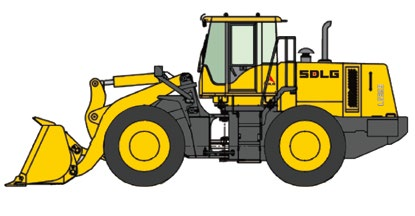 Wheel Loader
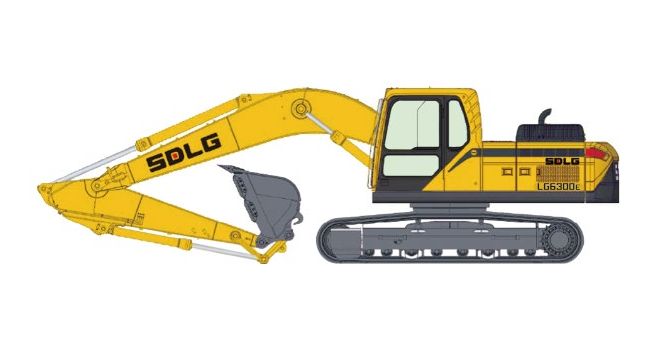 Excavator
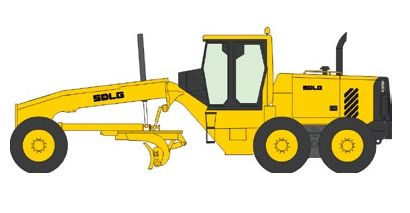 Motor Grader
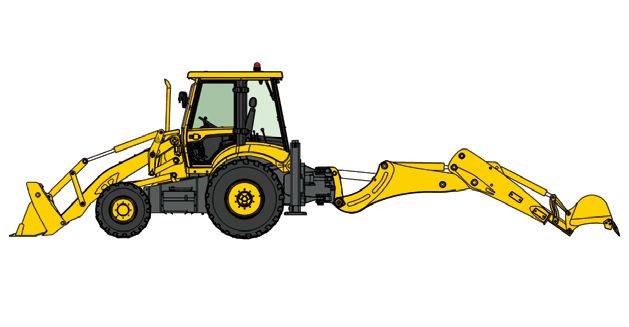 Backhoe Loader
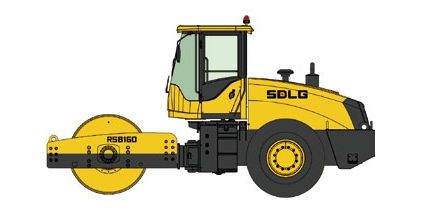 Road Roller
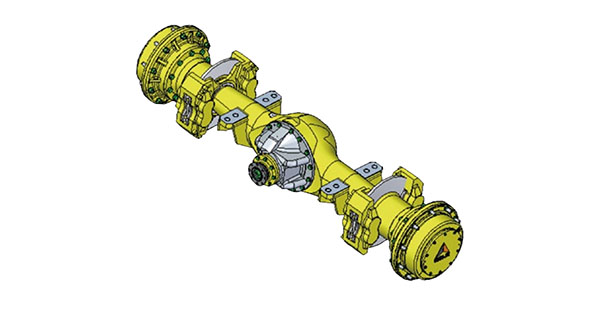 Spare Parts